
Honda CR-V Invoice Price: LX to Sport Touring Compared
Honda CR-V invoice prices run across seven trims in a tight ladder with one of the slimmest sticker-to-invoice gaps in the class — CR-V deals are won or lost in a few hundred dollars.
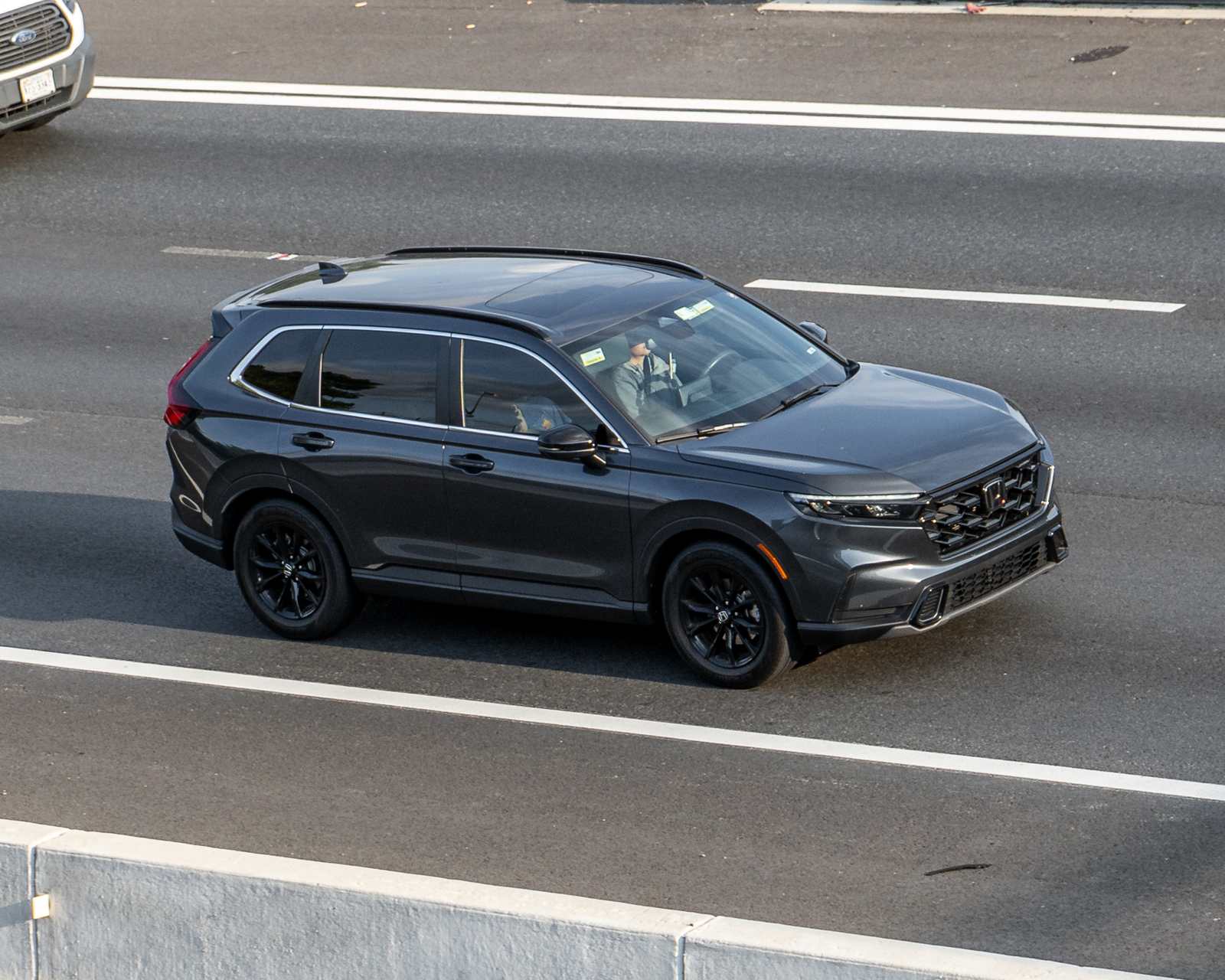
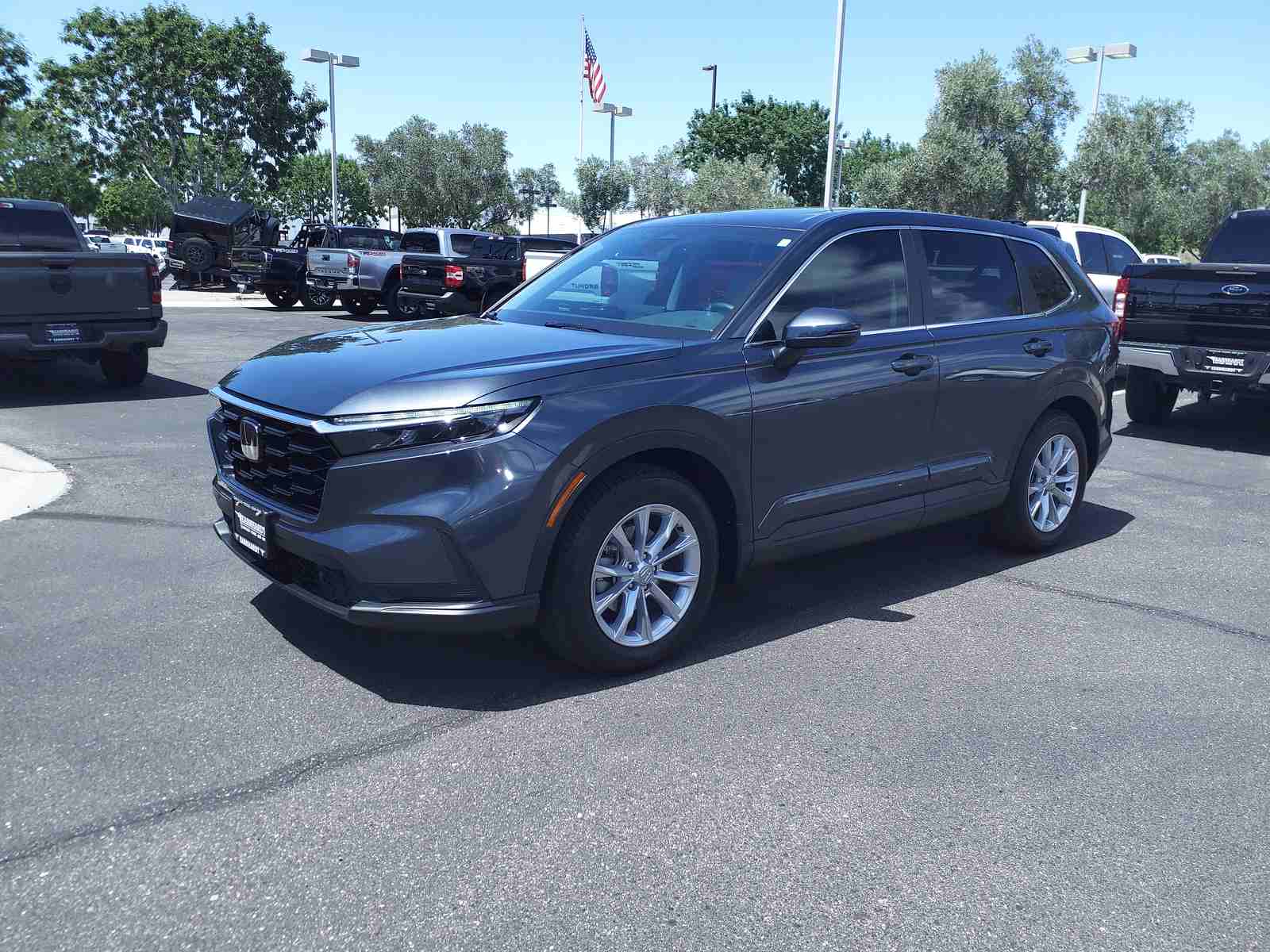
The Honda CR-V invoice price is the number that makes a CR-V negotiation honest. The CR-V is one of America's best-selling crossovers, Honda prices it in a tight ladder of seven trims — three petrol, four hybrid — and the gap between sticker and invoice is slimmer than on most rivals. That combination means the difference between a good CR-V deal and a mediocre one is rarely dramatic; it is a few hundred dollars hiding in the trim choice, the holdback and the add-ons. This guide walks the ladder from LX to Sport Touring and shows what the invoice can and cannot tell you at each rung.
Honda CR-V Invoice Price at a Glance
Honda sells the CR-V in two halves. The petrol models — LX, EX and EX-L — use a turbocharged engine with front-wheel drive standard and all-wheel drive optional. The hybrids — Sport, Sport-L, TrailSport and Sport Touring — use Honda's two-motor hybrid system, with all-wheel drive standard on TrailSport and Sport Touring. Each trim is a separate line on Honda's price list, and each carries its own invoice.
| Trim | Powertrain | What it means for the invoice |
|---|---|---|
| LX | Petrol, FWD (AWD optional) | Lowest sticker, so the smallest dollar gap between MSRP and invoice |
| EX | Petrol, FWD (AWD optional) | The volume trim; the gap widens slightly with the higher sticker |
| EX-L | Petrol, FWD (AWD optional) | Leather and comfort equipment added at the trim level, all on the factory invoice |
| Sport | Hybrid, FWD (AWD optional) | The entry hybrid; the hybrid premium is mostly hardware cost, not extra margin |
| Sport-L | Hybrid, FWD (AWD optional) | Hybrid plus EX-L-grade equipment; a larger dollar gap than the petrol EX-L |
| TrailSport | Hybrid, AWD standard | Rugged trim with standard all-wheel drive, so no AWD line is added on top |
| Sport Touring | Hybrid, AWD standard | Top sticker in the range, and therefore the widest dollar gap of any CR-V |
Two patterns matter more than any single figure. First, the percentage gap between MSRP and invoice stays roughly in Honda's usual lean band across the ladder — it is the dollar gap that grows as you climb, simply because the same percentage of a larger sticker is a larger number. Second, Honda builds most equipment into the trim itself rather than selling long option lists, which keeps a CR-V invoice short and readable compared with rivals. For the brand-wide picture behind these trims, see our guide to Honda invoice prices.
How the Invoice Is Built on Each Trim
A CR-V's factory invoice has the same anatomy at every trim level: the base invoice for that trim, the destination charge, and very little else. Honda's short option list means the invoice for the car on the lot should match the invoice for that trim almost exactly — which makes the CR-V an unusually clean car to price. The full anatomy of an invoice, line by line, is covered in our guide to what an invoice contains; the CR-V-relevant points are these.
The destination charge is identical in the MSRP total and the invoice total, and identical at every Honda dealer for the same model. All-wheel drive, where it is an option, is a factory line with its own retail and invoice prices — it is part of the car Honda billed the dealer for, not a dealer extra. Anything beyond that short list — protection packages, wheel locks, cargo trays, paint film — was fitted or added by the dealer after the car arrived, priced by the dealer, and is negotiable in a way factory lines are not.
Holdback on a CR-V: 2% of Base MSRP
Below the invoice sits holdback: money built into the invoice that Honda pays back to the dealer after the sale. Honda's holdback is commonly published at 2% of base MSRP (Auto Cheat Sheet's current chart; LegalClarity agrees). Two details of that sentence matter. It is 2% of the base MSRP — the trim's starting sticker before options — so adding all-wheel drive or accessories does not grow the holdback dollar-for-dollar. And it is an estimate from secondary sources, not a licensed figure: one older chart repost lists Honda at 3%, so treat the 2% as the well-supported current figure, not a certified one. The mechanics are explained in what is dealer holdback.
Illustrative example only — these are round invented numbers, not prices for any real CR-V trim. Take a mid-ladder CR-V with a $38,000 total sticker and a base MSRP of $35,500. An invoice roughly 5% below sticker would be about $36,100. Holdback at 2% of the $35,500 base is about $710, repaid to the dealer after the sale. So before any incentives, the dealer's effective cost on this illustrative car sits a little over $700 below the invoice figure — useful context for an offer, and a reminder that "at invoice" is not the dealer breaking even.
Gas vs Hybrid: Does the Powertrain Change the Deal?
Buyers often assume the hybrid trims carry fatter margins because they cost more. The premium you pay for a CR-V hybrid is mostly the cost of the two-motor system itself — battery, motors and power electronics — priced into both the MSRP and the invoice. The percentage gap between the two numbers stays in Honda's usual band, so the hybrid's dollar gap is bigger mainly because its sticker is bigger.
What does change the deal is demand, not arithmetic. Hybrid CR-Vs have consistently been the faster-selling half of the range, and a trim that sells quickly attracts less dealer cash and less discounting energy than a slow one. If you are flexible between a petrol EX-L and a hybrid Sport-L at similar stickers, the petrol car may be the easier negotiation even though its invoice structure is identical. The competing model most buyers cross-shop is covered in our Toyota RAV4 invoice price guide — the RAV4's ladder and margin character are different enough that the comparison is worth making before you commit.
Making a Credible First Offer on a CR-V
A credible offer is built, not guessed. Start with the invoice for your exact trim and drivetrain — front-wheel drive and all-wheel drive versions of the same trim are different cars on the invoice. Subtract any Honda incentives you genuinely qualify for; Honda's support tends to run through APR and lease programmes and loyalty or conquest offers rather than large public rebates, and those programmes are regional and monthly. Then judge the result against competing out-the-door quotes, which you can sanity-check on the honda cr v invoice pricing calculator. The negotiation method itself — how to present the number and handle the response — is how to negotiate from invoice price.
One CR-V-specific warning: because Honda's margins are tight, a quote that looks "only" a few hundred dollars over invoice can still be a fair deal, and a quote at invoice loaded with dealer accessories can be a poor one. Compare totals for identically specified cars, and audit the accessory lines separately.
Honda CR-V Invoice Price FAQs
Is the Honda CR-V invoice price the same at every dealer?
The factory invoice for an identically specified CR-V is the same everywhere, because Honda bills every dealer the same amount for the same car, destination included. What differs is what each dealer adds afterwards — accessories, fees and market adjustments — and how much of the margin behind the invoice each dealer is willing to give up this month.
Do hybrid CR-V trims have a bigger invoice discount?
Not in percentage terms. The hybrid trims' dollar gap between MSRP and invoice is larger because their stickers are higher, but the percentage sits in the same lean Honda band. Because hybrids sell quickly, the achievable discount can actually be smaller than on a petrol trim despite the wider paper gap.
How much holdback does a Honda dealer get on a CR-V?
Honda holdback is commonly published at 2% of base MSRP — calculated on the trim's base sticker, before options. It is paid back to the dealer after the sale and is one reason a dealer can sell at, or occasionally below, the invoice figure. The figure is a secondary-source estimate, not a licensed data point.
Why is my CR-V quote above the invoice I researched?
The usual culprits are dealer-fitted accessories, which are not on the factory invoice, and a drivetrain mismatch — the quote may be for the all-wheel-drive version while your research was for front-wheel drive. Ask for the quote to be itemised against the factory specification of the exact car, and price the accessory lines separately.
The Bottom Line on Honda CR-V Invoice Price
The Honda CR-V invoice price rewards precision: seven trims, two powertrains, tight margins and a 2%-of-base-MSRP holdback that savvy buyers factor in without exaggerating. Learn the invoice for your exact trim and drivetrain, strip out the dealer-added lines, and let competing out-the-door quotes test your number. When licensed figures are live, honda cr v invoice prices and the makes hub will carry the CR-V's per-trim numbers; until then, the method above is how a credible first offer is built.
Get the number dealers start from.
Invoice, estimated true cost, out-the-door — before any dealer hears your name.