
Tesla Model Y vs Hyundai Ioniq 5: Price, Range, Charging
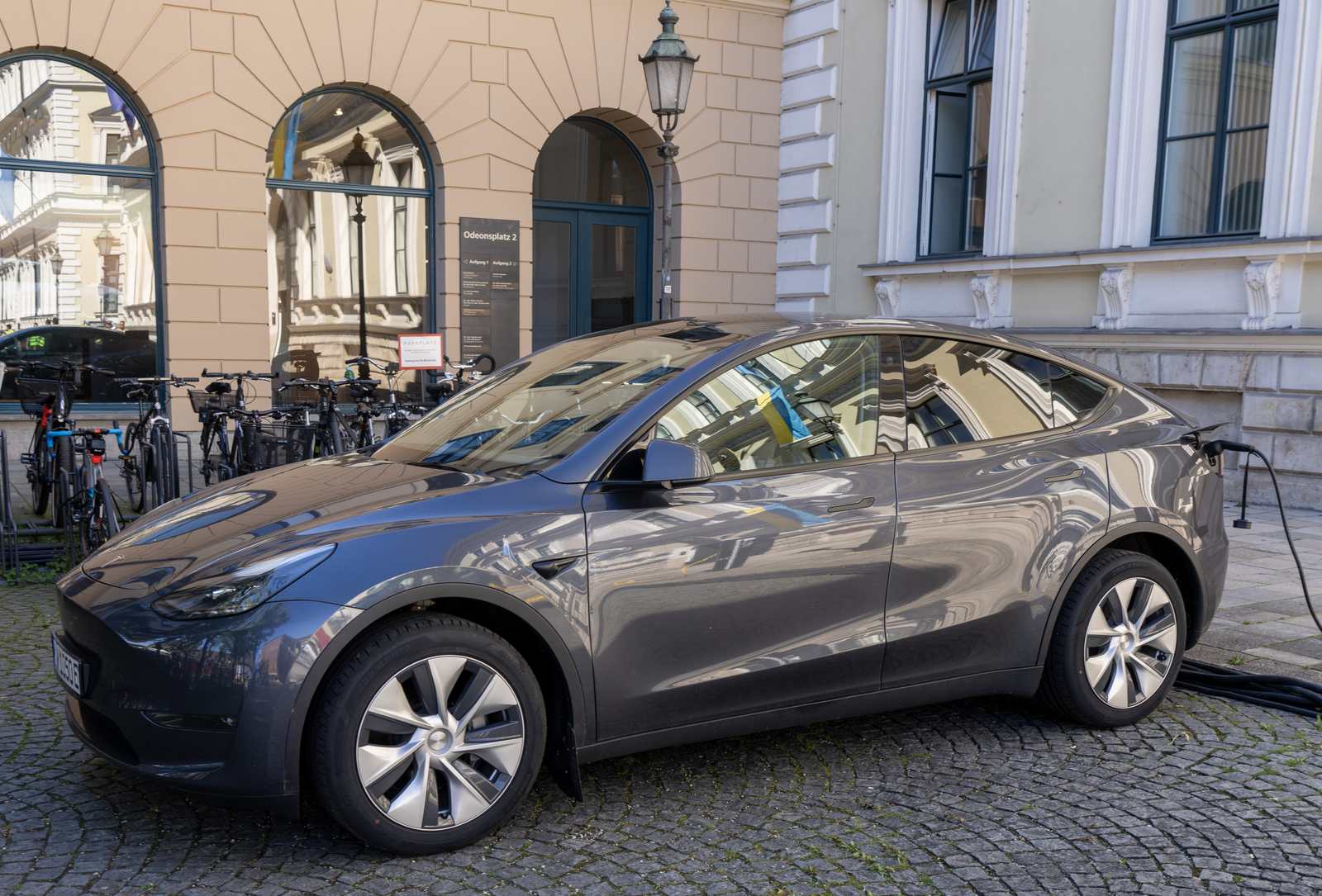
Tesla Model Y vs Hyundai Ioniq 5 compared: one you buy from an app, one you negotiate for at a dealership — this comparison covers the cars and the two completely different ways of paying for them.
Key Takeaways
- The Model Y is bought at a fixed app price with no dealer, invoice or negotiation; the Ioniq 5 is dealer-sold, so its price is negotiable from invoice.
- The Ioniq 5 starts $4,990 lower at $35,000, and its $37,500 long-range car nearly ties the base Tesla on range — 318 miles against 321.
- The Model Y wins range at the top with 357 miles and hauls more; the Ioniq 5 charges faster, 10 to 80% in about 20 minutes on its 800-volt system.
- Hyundai warrants more: 5-year/60,000-mile basic coverage and a 10-year/100,000-mile battery warranty, plus 3 years of maintenance Tesla does not include.
This Tesla Model Y vs Hyundai Ioniq 5 comparison is decided on the numbers and the ownership costs, not the badge — here is how the two stack up. These are the two electric SUVs every other EV gets measured against, and they could not be sold more differently. The Tesla Model Y is bought in an app at a price Tesla sets, changes without warning, and does not negotiate — there is no dealer, no invoice price, no holdback, because there is no middleman at all. The Hyundai Ioniq 5 is bought the old way, at a dealership, where the sticker is an opening position and everything this site teaches about invoice pricing applies. This comparison covers the cars — price, range, charging, space — and the purchase itself, because with this pair the way you pay is half the decision. Every Tesla figure here is date-stamped October 2026, because Tesla reprices without model years and last month's numbers expire silently.
Tesla Model Y vs Hyundai Ioniq 5 at a Glance
| Item | Tesla Model Y (Oct 2026) | Hyundai Ioniq 5 (2026) |
|---|---|---|
| Starting price | $39,990, plus $1,640 in fees | $35,000, plus $1,600 destination |
| Price structure | Fixed, direct-sale; no negotiation | Dealer-sold; negotiable from invoice |
| Maximum EPA range | 357 miles (Premium RWD) | 318 miles (long-range RWD) |
| Entry-version range | 321 miles | 245 miles (standard range) |
| Fast charging | NACS, up to 250 kW peak | 800-volt; 10–80% in about 20 minutes |
| Cargo behind rear seats | 30.2 cu ft | 27.2 cu ft |
| Battery warranty | 8 years / 100,000–120,000 miles | 10 years / 100,000 miles |
Price: A Fixed Tag Against a Negotiation
In the Hyundai Ioniq 5 vs Tesla Model Y price fight, the Ioniq 5 starts lower. Hyundai's entry SE Standard Range is $35,000 — $4,990 under the base Model Y's $39,990 — and after Hyundai cut 2026 prices by up to $9,800, the long-range SE at $37,500 nearly matches the base Tesla's 321 miles of range with 318 of its own, for $2,490 less. Tesla's ladder climbs through the Premium versions ($45,990 RWD, $49,990 AWD) to the $57,990 Performance; Hyundai's tops out at $48,975 for a Limited AWD. Add the unavoidable fees before comparing: Tesla adds $1,390 destination plus a $250 order fee to every car, Hyundai a $1,600 destination charge.
The structural difference matters more than any single rung. A Tesla price is a fact — the same for every buyer, until Tesla changes it for every buyer at once. A Hyundai price is a negotiation: the Ioniq 5 has an invoice price, dealer holdback and factory-to-dealer money like any car in our Hyundai invoice prices guide, and the gap between sticker and what a prepared buyer pays is real. Neither vehicle carries a federal tax credit — the credit ended for vehicles acquired after September 30, 2025, a change our EV tax credit guide walks through — so the prices above are the prices, full stop.
Range: Tesla's Ceiling, Hyundai's Value Line
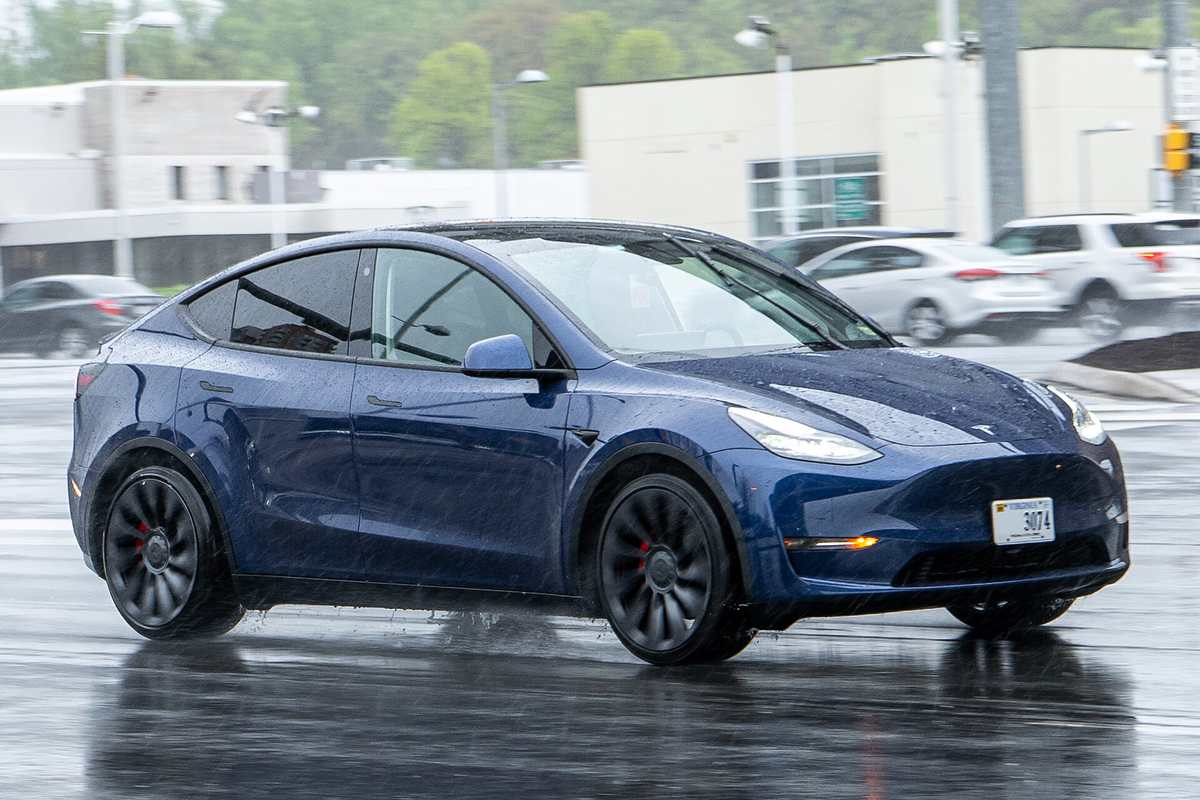
Tesla wins the maximum: the Premium RWD's 357 miles is the longest rating in this comparison, and the volume Premium AWD manages 327. But read the whole ladders. The cheapest Tesla goes 321 miles; the cheapest Hyundai goes 245, because its entry battery is a smaller 63-kWh pack — the honest entry comparison is Tesla's $39,990 car against Hyundai's $37,500 long-range car, 321 miles against 318, a statistical tie that leaves $2,490 in the Hyundai buyer's pocket. All-wheel drive costs range on both sides: 294 miles for the base Tesla AWD, up to 290 for the Hyundai AWD on its smaller wheels. Shoppers who road-trip on a budget should notice that the range-per-dollar champion here is not the benchmark — it is the challenger.
Charging: Same Plug, Different Speeds
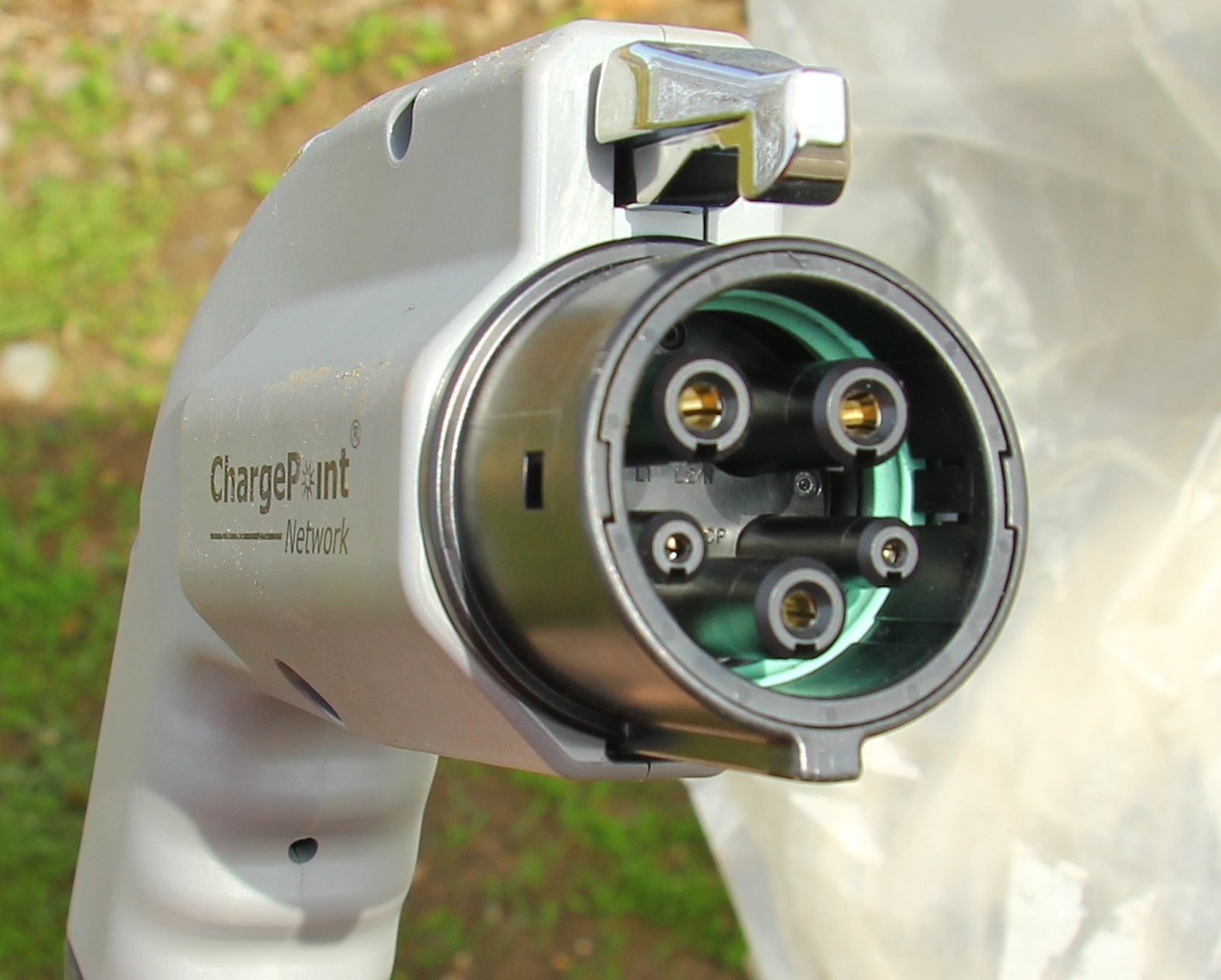
For 2026 the Ioniq 5 carries a native NACS port, so both cars now plug directly into the Tesla Supercharger network — over 25,000 ports — with a CCS adapter included for the rest of the public network. The network excuse for buying the Tesla is gone. What remains is charging speed, and it favors Hyundai: the Ioniq 5's 800-volt architecture takes the battery from 10 to 80% in about 20 minutes on a 350-kW charger, where the Model Y's 400-volt-class system peaks at 250 kW and asks for a longer stop to add the same energy. The Hyundai also gives back power — its vehicle-to-load outlet supplies up to 3.6 kW, enough to run tools, a campsite or a refrigerator in an outage, a feature Tesla does not offer on the Model Y. Home charging is a wash: both fill overnight on a Level 2 circuit, the setup priced in our home EV charging guide.
Space and Ownership
The Model Y is the bigger box: 30.2 cubic feet behind the rear seats against 27.2, 72.1 cubic feet maximum against 59.3, a useful front trunk, an optional $2,500 third row on the Premium AWD that the Hyundai does not offer at all, and a 3,500-pound tow rating against the Ioniq 5's 2,000. Hyundai answers on the ownership ledger: a 5-year/60,000-mile basic warranty against Tesla's 4 years/50,000 miles, 10 years or 100,000 miles on the battery against Tesla's 8 years and 100,000 to 120,000 depending on version, three years of complimentary maintenance Tesla does not include, and a dealer in most mid-sized towns against a Tesla service network that can be a long tow away. The Ioniq 5 also drives like a car designed by people who expect to be judged on ride quality — quieter and softer than the firmly sprung Model Y — while the Tesla is quicker, more efficient per mile, and wrapped in the stronger software ecosystem.
Which One Should Your Money Buy?
- Buy the Model Y if maximum range, cargo volume, towing and the seamless app-based purchase matter most, and you accept a fixed price and a thinner service map.
- Buy the Ioniq 5 if you want the lower entry price, the faster road-trip charging, the longer warranty, or the ability to negotiate — its discount is the one a prepared buyer can actually win.
- Either way, date-check every Tesla figure the week you order (Tesla reprices without notice), and for the Hyundai, negotiate from the invoice using the framework in how to negotiate from invoice price.
Frequently Asked Questions
Which is cheaper, the Model Y or the Ioniq 5?
The Ioniq 5, at both ends that matter. It starts at $35,000 against the Model Y's $39,990, and the like-for-like range comparison — top-range battery, rear-wheel drive — is $37,500 against $39,990. The Hyundai's top trim, $48,975, also undercuts the Tesla Performance's $57,990, though those are very different machines.
Which has more range, the Model Y or the Ioniq 5?
The Model Y at the ceiling: 357 miles for the Premium RWD against the Ioniq 5's best of 318. At the entry level the two nearly tie — 321 miles for the base Tesla, 318 for the long-range Hyundai — while the Hyundai's cheapest version, with its smaller battery, is rated at 245 miles.
Which charges faster?
The Ioniq 5. Its 800-volt system charges from 10 to 80% in about 20 minutes on a 350-kW fast charger, and for 2026 it plugs natively into Tesla Superchargers as well. The Model Y peaks at 250 kW on the same network — quick, but a longer stop for the same energy.
Can you negotiate the price of a Tesla?
No. Tesla sells direct at the configurator price, with no dealer, no invoice and no holdback — the price changes when Tesla changes it, for everyone at once. The Ioniq 5 is sold through Hyundai dealers, so its price is a negotiation that starts from the dealer's invoice, like any conventional car.
The Bottom Line on Tesla Model Y vs Hyundai Ioniq 5
The Model Y remains the benchmark on range, space and software, bought at a fixed price on Tesla's terms. The Ioniq 5 is the better transaction: cheaper to enter, nearly as long-legged in the trim that matters, faster to charge, longer warranted — and the only one of the two whose price a buyer can improve by being prepared. Decide whether you are buying the car or the deal, verify the Tesla's price the week you order, and for the Hyundai, negotiate the out-the-door total. That settles the Tesla Model Y vs Hyundai Ioniq 5 question on the evidence: pick the one that fits your life, then negotiate as if the other one were still on the table. Then price the Tesla Model Y or Hyundai Ioniq 5 from invoice in our calculator before you sign. Start at MyCarDiscount.com.
Get the number dealers start from.
Invoice, estimated true cost, out-the-door — before any dealer hears your name.