
Hyundai Invoice Prices: Elantra, Tucson, Santa Fe, Palisade
The Hyundai invoice price needs an honesty warning first: published Hyundai holdback figures disagree more than any other mainstream brand's, so this guide works with ranges, not false precision.
Key Takeaways
- Published figures for Hyundai holdback disagree with each other — anyone quoting one exact 'true cost' is overstating what the public record supports.
- Hyundai invoice price is what the dealer paid the factory, before the retail margin in the MSRP.
- Work from a range built on the invoice rather than a single invented cost figure.
- Elantra, Tucson, Santa Fe, Palisade and IONIQ 5 each have their own invoice figures by trim.
Hyundai invoice prices are what a Hyundai dealer paid the factory for the car, before the MSRP on the window sticker adds the retail margin. They are essential research — but Hyundai comes with an honesty warning most pricing sites skip: the published figures for Hyundai's dealer holdback disagree with each other more than for any other mainstream brand, so anyone quoting you a single exact "true cost" for a Hyundai is pretending to know more than the public record supports. This guide explains how Hyundai invoice prices work, shows the holdback conflict openly, and gives you a method that works even where the data is disputed.
Start with the free lookup on our Hyundai make page, then run the numbers in the calculator before you talk to any dealer.
Hyundai Invoice Prices at a Glance
| Item | What Hyundai buyers should know |
|---|---|
| Invoice price | What the dealer paid Hyundai for the vehicle as configured, including destination |
| Holdback | Disputed: published sources range from about 2% to 3%, on conflicting bases (total MSRP vs invoice) — treat as a range, never a point |
| Discount pattern | Competitive pricing plus frequent factory offers; Hyundai fights for share against Toyota, Honda and Kia |
| Destination charge | Set by Hyundai, identical at every dealer for the same model, included in both MSRP and invoice |
| Best first step | Pull the invoice for your exact trim, work with a holdback range, then compare out-the-door quotes |
How Hyundai Invoice Pricing Works
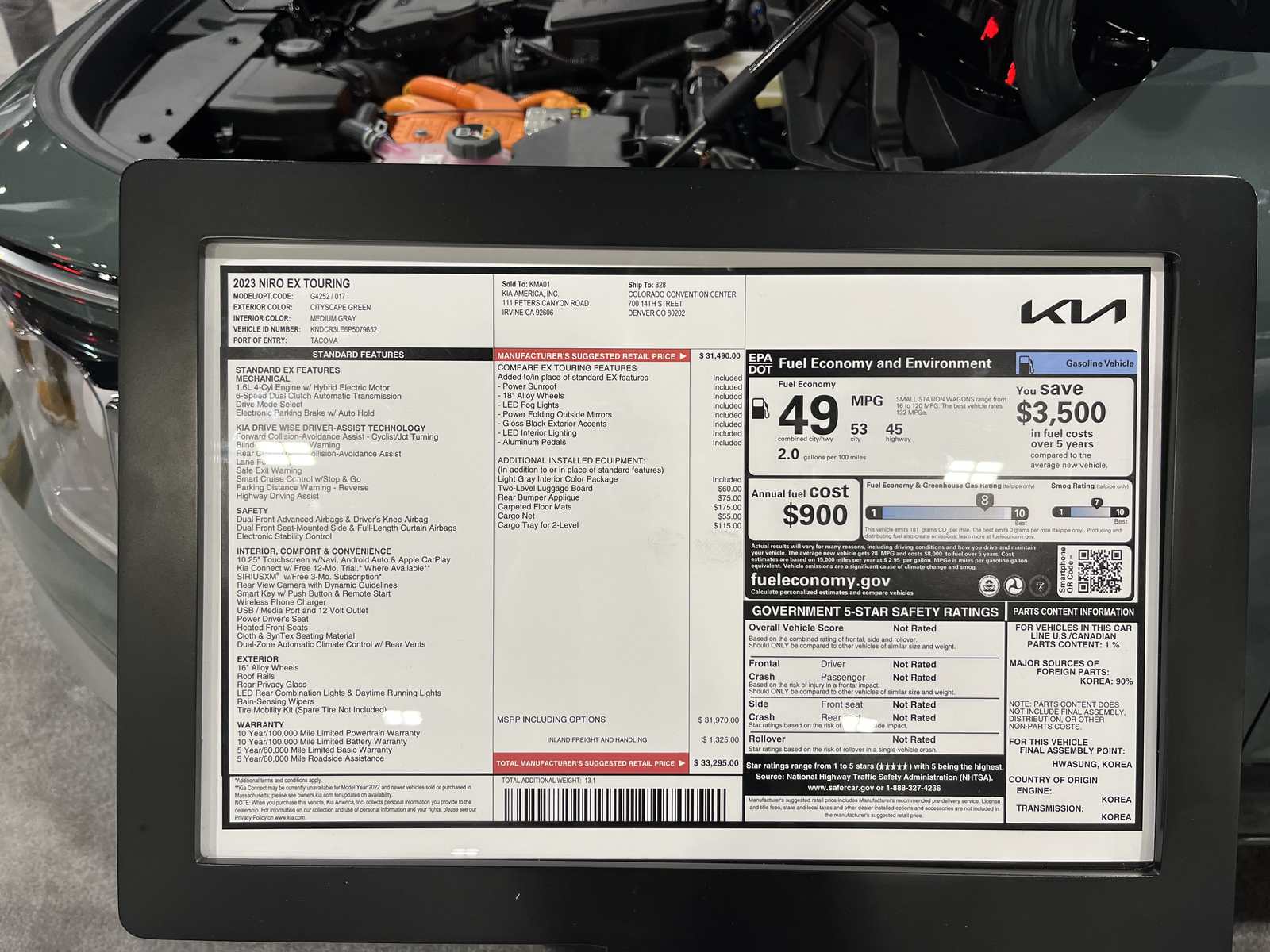
Every new Hyundai arrives at the dealership with a factory invoice: the base invoice for the trim, the invoice cost of factory options and packages, and the destination charge. The MSRP is the same vehicle at retail prices, so the difference between the two totals is the first layer of the dealer's margin.
As with every brand, invoice is not the dealer's final cost. Hyundai pays the dealer a holdback amount after the sale, and factory-to-dealer money can sit below invoice on supported models. Hyundai also competes aggressively on value, so transaction prices are often more flexible than the sticker suggests. What Hyundai does not do is publish its holdback percentage for consumers, and the secondary guides that estimate it disagree, which is why the holdback section below presents a range instead of a single number.
Two pillar guides carry the background: MSRP vs invoice price and whether invoice price is the dealer cost.
How Much Lower Are Hyundai Invoice Prices Than MSRP?
Hyundai's MSRP-to-invoice gap is broadly in line with other mainstream brands: modest in dollars on an Elantra, considerably wider on a Palisade or a well-optioned Santa Fe. The gap on any given trim is still the first number to know.
Use that pattern this way:
- On the Elantra and Kona, the dollar gap is small, so dealer fees and add-ons decide whether a deal is good; negotiate the out-the-door total.
- On the Tucson and Santa Fe, hybrid trims carry stronger demand; expect less flexibility there than on the equivalent petrol trims when hybrid inventory is tight.
- On the Palisade and IONIQ 5, incentives swing with Hyundai's monthly programmes, and the factory offer often matters more than another few hundred dollars off the selling price.
Spreads like these are per-car figures, so they belong in a live lookup rather than a static article. Run it on our invoice pricing page so the figure reflects the current model year, trim, and options — and compare Hyundai's numbers against the closely related figures in our guide to Kia invoice prices.
Hyundai Holdback: A Range, Because the Sources Disagree
Holdback is the amount Hyundai returns to the dealer after the vehicle sells, and it is the main reason a dealer can sell at invoice without selling at cost. For most brands the published holdback guides roughly agree. For Hyundai they do not, and we would rather show you the disagreement than hide it:
- Auto Cheat Sheet's holdback chart (titled for 2026, last updated December 2024) lists Hyundai holdback at 3% of total MSRP.
- The Vantage Group Auto's holdback explainer lists Hyundai at 3% of invoice — the same percentage on a smaller base, which produces fewer dollars.
- Older published sources are lower still: a historical holdback chart (revised 2008, as reposted) records 2% of total invoice, and Autoblog's 2008 holdback explainer puts Hyundai at roughly 2%.
That is a genuine three-way conflict over both the percentage and the basis, and Hyundai does not publish the figure to settle it. Our full explainer on dealer holdback covers how the payment works in general.
Illustrative example — not a live price: on a vehicle with a $40,000 total sticker, holdback at 3% of total MSRP would be $1,200, while 2% of a roughly $37,000 total invoice would be about $740. The honest working range for that car is therefore "somewhere around $740–$1,200 of holdback," not a single figure. That range, plus any current factory-to-dealer support, is the context for judging an offer — not a lever you can demand be handed over line by line.
The Destination Charge on a Hyundai
The destination charge covers delivery of the vehicle from the plant or port to the dealership. Hyundai sets it, it is the same at every dealer for the same model, and it is included in both the MSRP total and the invoice total. The dealer paid it as part of the invoice, so it is not negotiable margin and cannot honestly be "waived" — a discount described that way is simply coming off the selling price.
Leave destination alone and negotiate where the money actually moves: the selling price and dealer-added items. Documentation fees and accessory packages vary by dealer, which is why we compare deals on the out-the-door total in the calculator.
Hyundai Invoice Prices by Popular Model
Hyundai's volume concentrates in a handful of nameplates — the models where invoice research pays back fastest:
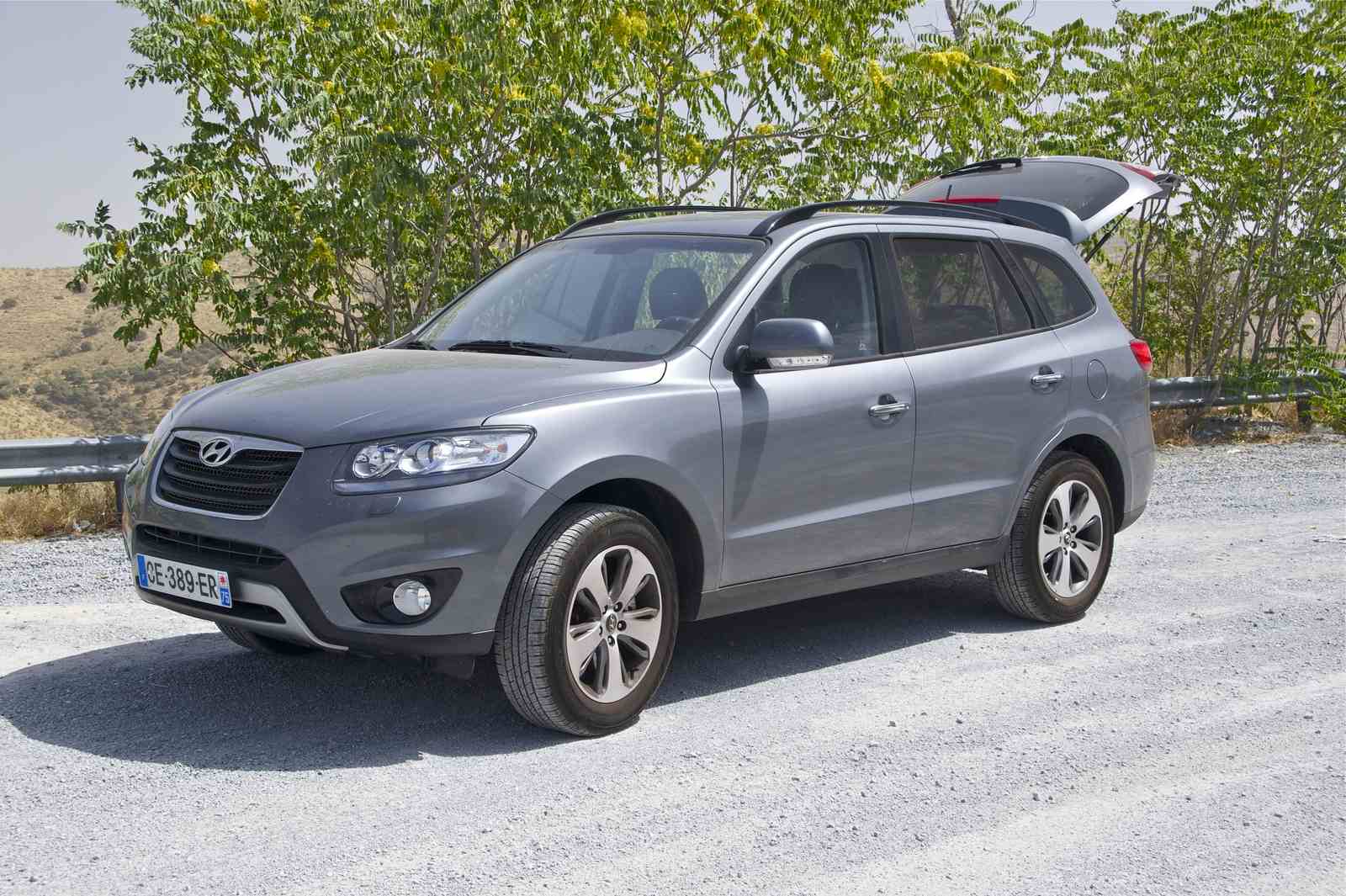
- Tucson — Hyundai's SUV volume leader, with petrol and hybrid versions. Hybrid demand runs hot, so compare several dealers before assuming the first quote is the market.
- Elantra — the compact sedan staple; small dollar margins mean the out-the-door discipline matters more than the percentage off sticker.
- Santa Fe — the family SUV; trim spread is wide, so pull the invoice for the exact trim rather than a model average.
- Palisade — the three-row flagship, where higher prices and heavier option loads create the largest dollar gaps in the Hyundai line.
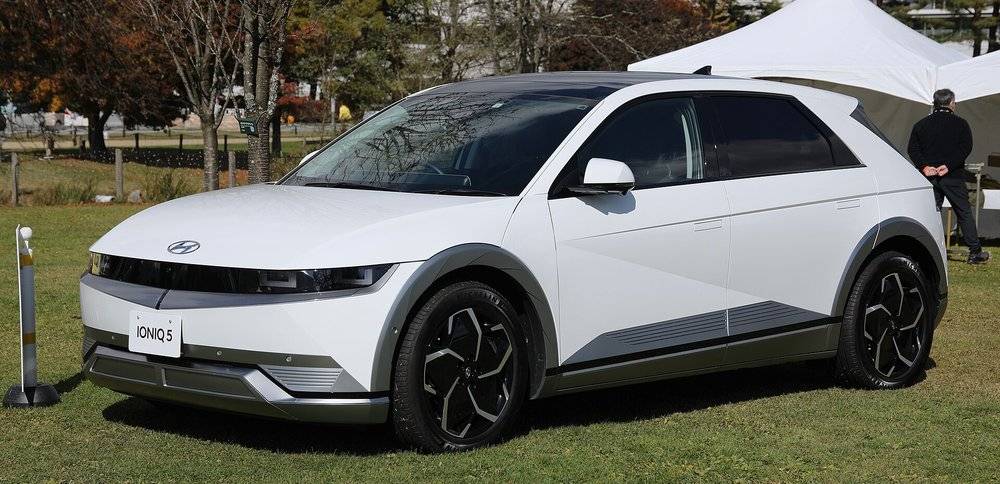
- IONIQ 5 — the electric crossover. EV incentives and Hyundai's own programmes move its real pricing more than the invoice gap does; check current offers first.
We publish the live figure for each model and trim on the Hyundai make page rather than printing static dollar amounts here, because invoice figures change with each model year, price revision, and option package, and a stale printed number would mislead you. The step-by-step method is in how to find invoice price on a car if you want it.
How to Use MyCarDiscount for a Hyundai
The workflow mirrors our invoice pricing tool:
- On the makes index, choose Hyundai, then your model and trim.
- Before any contact information is asked for, you see three figures: the MSRP, the invoice price, and an estimated true dealer cost range netting out holdback and known incentives. For Hyundai that estimate is deliberately a range; our methodology page explains how it is built.
- Then build the out-the-door total in the calculator with your local tax and fees, so every dealer's quote is measured the same way.
- Inviting competition is optional and buyer-led: name up to three dealers, request their offers email-first, and know that the price was never held back behind a form to begin with.
Negotiating a Hyundai With the Invoice in Hand
Hyundai negotiation is usually about stacking the visible pieces correctly:
- Check the current manufacturer offers on Hyundai's official site before you shop. Hyundai rotates cash, APR, and lease programmes monthly by region, and programmes for military members, first responders, and recent graduates appear regularly — ask for the programme name and confirm eligibility before it is written into a quote.
- Value the warranty honestly. Hyundai's factory coverage is among the longest in the industry, and dealers sometimes use it to justify holding at sticker. It is a reason to buy the car, not a reason to overpay: the warranty is identical at every Hyundai dealer, so it cannot justify one dealer's higher price over another's.
- Because Hyundai dealers compete hard for share against Toyota, Honda, and Kia stores — often in the same auto mall — the biggest lever is usually a competing out-the-door quote on the identical trim. Our guide to negotiating from invoice price shows how to structure the offer.
Frequently Asked Questions
How do I find Hyundai invoice prices for my exact trim?
Run the lookup on our Hyundai page for the trim you are actually buying — SEL versus Limited, petrol versus hybrid — because each version carries its own factory invoice, and the invoice pricing tool prices that trim's fitted options as well. A range-wide average would blur the differences that decide a Hyundai deal, especially on Tucson and Santa Fe hybrids, where demand keeps quotes near the trim's real number.
Is the invoice price the dealer's real cost on a Hyundai?
No. Holdback and any factory-to-dealer incentives sit below the printed invoice — but for Hyundai the published holdback figures conflict (roughly 2% to 3%, on different bases), so the true cost is best treated as a range below invoice rather than a precise figure. The layer-by-layer version is in is invoice price the dealer cost.
Why do sources disagree about Hyundai holdback?
Because Hyundai does not publish it. The percentages in circulation come from dealer-pricing guides compiled in different years, and they disagree on both the rate and whether it is calculated on the sticker or the invoice. The newest chart says 3% of total MSRP; older charts say about 2% of the invoice. Until a licensed data source settles it, any honest estimate has to carry that range.
Do Hyundai invoice prices include destination?
Yes. Hyundai fixes the destination charge for each model before the car ships, and the identical figure is built into both the MSRP and the invoice at every dealership, so it is never part of the dealer's negotiable margin.
The Bottom Line on Hyundai Invoice Prices
Hyundai invoice prices give you the reference point the negotiation turns on — what the dealer paid — and Hyundai rewards buyers who do the homework, because its dealers compete on value and its factory offers stack. Go in knowing the Hyundai invoice price for your trim, treat the holdback as the honestly disputed range it is rather than a fake-precise figure, build the out-the-door total, and let named dealers compete. Start at MyCarDiscount.com.


Get the number dealers start from.
Invoice, estimated true cost, out-the-door — before any dealer hears your name.