
Subaru Buying Guide: Outback, Forester and Crosstrek Pricing
The Subaru car buying guide short version: the one mainstream brand where the mechanical headline is standard: all-wheel drive and EyeSight safety on the family crossovers most buyers cross-shop.
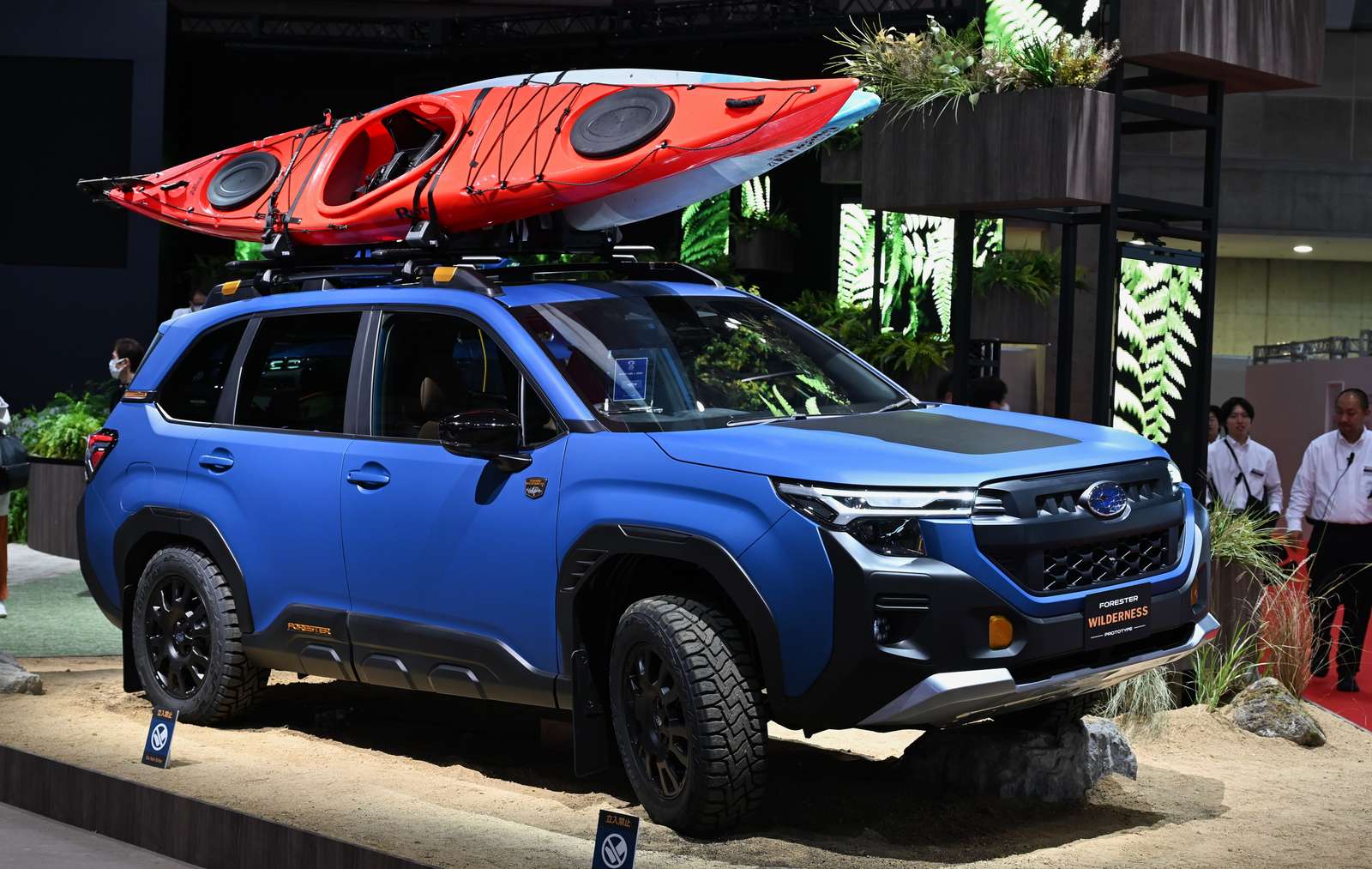
A Subaru buying guide starts from an unusual fact: Subaru is the one mainstream brand where the mechanical headline is standard, not optional. Symmetrical all-wheel drive is fitted to every Subaru SUV and to most of the range, the EyeSight safety suite is standard equipment rather than a trim upgrade, and the brand's three family crossovers — Crosstrek, Forester and Outback — form a size ladder that most buyers can climb in a single showroom visit. This guide is for the buyers those three models compete for.
Pricing honesty matters here too, because Subaru is not a discount brand. This guide carries no per-model prices and no promised discounts; instead it explains what Subaru pricing realistically looks like, where the limited negotiation room comes from, how the brand's holdback and regional distribution quirks work, and how to value the AWD-and-safety package against rivals that charge extra for both — always on the full out-the-door total.
Subaru buying guide: the lineup map
The range sorts by size and intent; treat what follows as a map of the range, not a price list.
| Segment | Key models | Who they suit | Discount character |
|---|---|---|---|
| Core crossovers | Crosstrek, Forester, Outback | The brand's heartland: daily drivers in snow country and beyond | Modest, steady discounting; Wilderness trims hold firmest |
| Three-row SUV | Ascent | Families needing Subaru AWD with a third row | Lower volume than the core three; follows stock age |
| Cars and performance | Impreza, WRX, BRZ, Legacy (2025, final year) | Hatchback practicality, rally-bred performance, one rear-drive exception | Niche models price on scarcity and local demand |
| Electric | Solterra, Trailseeker (2026), Uncharted (2026) | EV buyers wanting Subaru-shaped capability | Program-driven newcomers; compare widely while the range settles |
Two accuracy notes that matter. First, the standard-AWD claim: every Subaru SUV — Crosstrek, Forester, Outback, Ascent and the electrics — has all-wheel drive as standard, as do the Impreza, Legacy and WRX. The single exception in the range is the BRZ sports coupe, which is rear-wheel drive. Second, the Legacy sedan's final model year was 2025; the Outback carries the family-car role now, and was redesigned for 2026 with a more upright, SUV-like shape. The Forester added hybrid versions in its current generation, and the Crosstrek offers a hybrid too. Anyone buying a new Subaru should read our companion post on Subaru invoice prices too: it covers the invoice structure behind these models.
The AWD and safety value, priced properly
Subaru's pricing only looks uncompetitive if you compare base prices against rivals' base prices. The honest comparison is as-equipped:
- All-wheel drive. On most rival crossovers, AWD is a paid option or a trim step. On a Subaru crossover it is the starting point. When you compare a Forester against a front-drive rival's sticker, you are not comparing like with like.
- EyeSight as standard. Subaru's driver-assist suite — including adaptive cruise control and pre-collision braking — is standard across the SUV range rather than bundled into an upper trim or an option package. Price the rival with its equivalent safety package added before deciding the Subaru costs more.
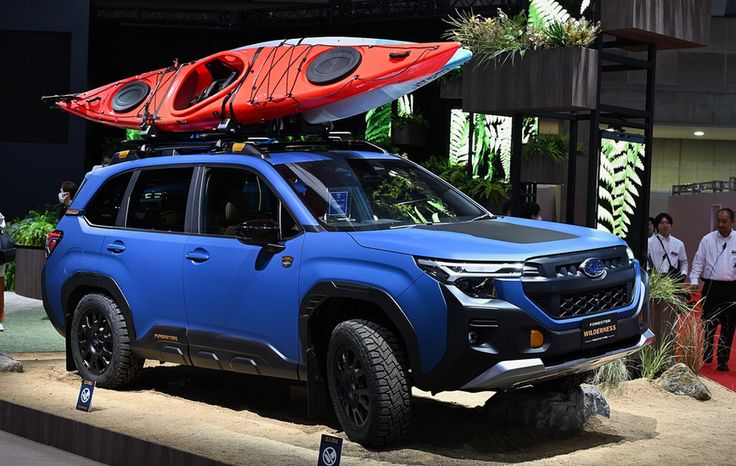
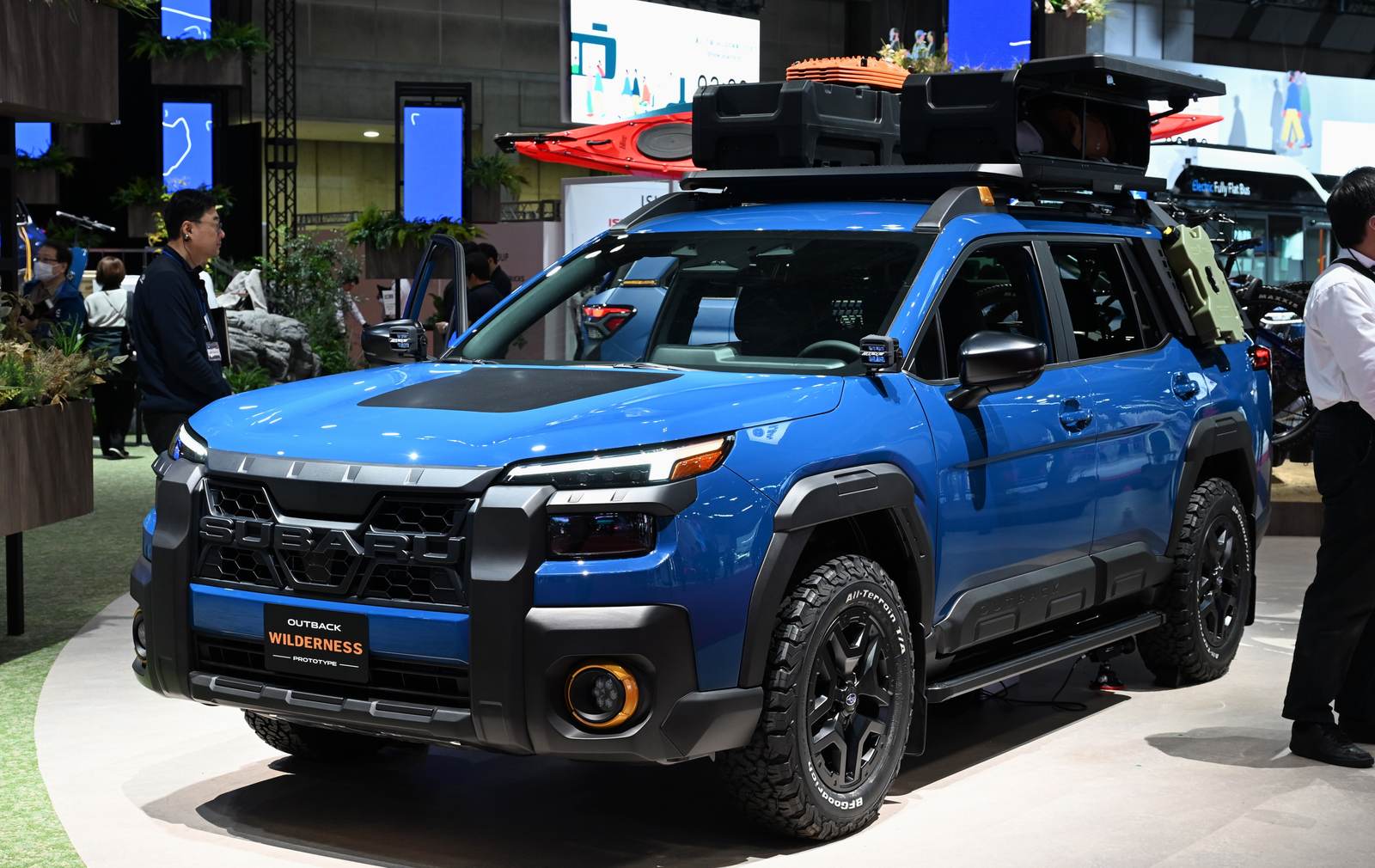
- Capability trims. The Wilderness versions of the Crosstrek, Forester and Outback add ground clearance, all-terrain tires and tougher gearing for buyers who genuinely leave the pavement. They also hold their prices the firmest in the range — capability demand at Subaru is not a niche, it is the brand's core customer.
None of this makes a Subaru cheap. It makes the sticker honest: the features are in the price because they are on the car. Our methodology page explains how we compare vehicles on as-equipped, out-the-door terms.
How Subaru pricing and holdback work
A Subaru's sticker combines the trim's base MSRP, factory options and the destination charge, which Subaru sets and which appears in both MSRP and invoice. Below the invoice sit incentives — modest at this brand — and holdback.
Published holdback guides put Subaru holdback at 2% of total MSRP. Two qualifications belong on the record. An older 2008 chart put Subaru at 3%, so the figure has moved over time and the current chart is the one we follow. And Subaru is one of two brands in the US whose distribution runs partly through independent regional distributors — Subaru Distributors Corp and the Ernie Boch organization in the Northeast — and the published sources note the effective amount may vary in the northern and northeastern states. A national single figure is therefore an approximation for Subaru in a way it is not for most brands; another reason our true-cost figure is presented as a range. What is dealer holdback covers the mechanics, and the live invoice for your exact trim is on our Subaru car buying guide.
Realistic Subaru discounts: patterns, not promises
Subaru's loyal, demand-steady customer base means the brand simply does not need the incentive theater some rivals rely on. Realistic expectations, by pattern:
- Room exists, in the usual places. Outgoing model-year stock, long-sitting configurations and less fashionable colors are where a Subaru dealer's flexibility concentrates — the same places as everywhere, just shallower.
- The VIP program. Subaru operates a long-running VIP program under which members of partner organizations can buy at a formula-set price rather than a negotiated one. Eligibility comes through memberships and affiliations that take time to qualify for, so it rewards buyers who plan ahead rather than shoppers in a hurry — but if you qualify, it removes the negotiation entirely.
- Wilderness and hybrid firmness. The trims and powertrains Subaru buyers most want are the ones with least room. If your heart is set on a Wilderness, your lever is comparing dealers' out-the-door quotes, not waiting for a factory fire sale that this brand rarely runs.
- Resale is part of the price. Subarus have a long-standing pattern of strong retained value, which cuts the true cost of a modest discount. A small discount on a car that holds value can beat a large discount on one that sheds it; what is a good price for a new car covers that total-cost way of judging.
Your buying playbook
- Choose your rung of the ladder — Crosstrek, Forester or Outback — by the cargo space and clearance you will actually use; the full range is on our Subaru make page.
- Pull the invoice for your trim from the invoice pricing tool and read the Subaru invoice prices companion post, including the regional holdback caveat if you are buying in the Northeast.
- Check whether you qualify for the VIP program before you negotiate — if you do, the formula price may beat anything haggling produces.
- Build the out-the-door total in the subaru buying tips calculator and compare at least two dealers on it. Shopping the wider segment? Our best compact SUVs guide sets the Crosstrek and Forester against their rivals.
Frequently asked questions
How much discount should I realistically expect on a Subaru?
Expect modest rather than headline discounting, concentrated on outgoing model-year and long-sitting stock. Subaru's demand pattern means the brand rarely runs deep factory programs. The realistic levers are stock selection, comparing dealers' out-the-door quotes, VIP program eligibility if you have it, and the car's strong retained value — not a large percentage off sticker.
Do all Subarus have all-wheel drive?
Every Subaru SUV does, as standard — Crosstrek, Forester, Outback, Ascent and the electric models — and so do the Impreza, Legacy and WRX. The one exception is the BRZ sports coupe, which is rear-wheel drive. AWD is never an option-box extra on a Subaru crossover.
What is Subaru's holdback?
Published guides put it at 2% of total MSRP. An older chart said 3%, and the sources note the amount may vary in the Northeast, where independent distributors handle Subaru sales. Treat it as a modest figure inside a range — context for an offer, not a discount you can demand be handed over.
Outback or Forester — which should I buy?
They share mechanicals and differ in shape. The Forester is the upright, boxy one — better headroom and visibility, a taller cargo bay. The redesigned Outback is the longer, lower wagon-like one — a bigger load floor and a more car-like drive. Buyers who camp and load bikes tend to split by which shape swallows their gear; drive both, measure your kit, and compare the same trim levels out-the-door.
Conclusion: putting this Subaru buying guide to work
A Subaru buying guide works when it prices the brand honestly: the AWD and safety equipment are already in the sticker, the discounts are modest and pattern-based, and the value case rests on equipment included and value retained. A Subaru car buying guide ends at the ladder: choose your rung of the Crosstrek–Forester–Outback ladder, pull the live invoice for your trim on MyCarDiscount, and compare out-the-door quotes with your eyes open. Start at MyCarDiscount.com.
Get the number dealers start from.
Invoice, estimated true cost, out-the-door — before any dealer hears your name.