
Subaru Invoice Prices: Outback, Forester and Crosstrek
The Subaru invoice price is both anchor and reality check: Subaru's loyal buyers and focused all-wheel-drive line keep margins thin — the invoice works here as both a negotiating anchor and a reality check.
Key Takeaways
- The gap between Subaru invoice and MSRP runs thinner than on most of the market.
- Subaru holdback is published at 2% of total MSRP, with a regional caveat.
- Subaru rarely needs deep discounts on its core models, so realistic room is smaller — plan offers accordingly.
- Outback, Forester, Crosstrek and Ascent each have their own invoice figures by trim.
Subaru invoice prices are what a Subaru dealer paid the factory for the vehicle, and on this brand the gap between invoice and MSRP runs thinner than on most of the market. Subaru sells a focused all-wheel-drive line to loyal buyers and rarely needs deep discounts to move its core models. That makes the invoice doubly useful: a negotiating anchor and a reality check on how much room realistically exists. This guide explains how Subaru invoice prices work, why margins are slim, and how to pull the exact figure for your trim.
Start with the free lookup on our Subaru make page, then run the numbers in the calculator before you contact anyone.
Subaru Invoice Prices at a Glance
| Item | What Subaru buyers should know |
|---|---|
| Invoice price | What the dealer paid Subaru for the vehicle as configured, including destination |
| Typical margin character | Thinner than most brands — the MSRP-to-invoice gap is a smaller slice of the price |
| Holdback | 2% of total MSRP in the newest chart; an older chart records 3%, and the Northeast has distributor variance |
| Destination charge | Set by Subaru, identical at every dealer for the same model, included in both MSRP and invoice |
| Incentive pattern | Modest: APR support and loyalty offers more often than large public cash rebates |
| Best first step | Pull the invoice for your exact trim, expect a fair deal near it, then compare out-the-door quotes |
How Subaru Invoice Pricing Works
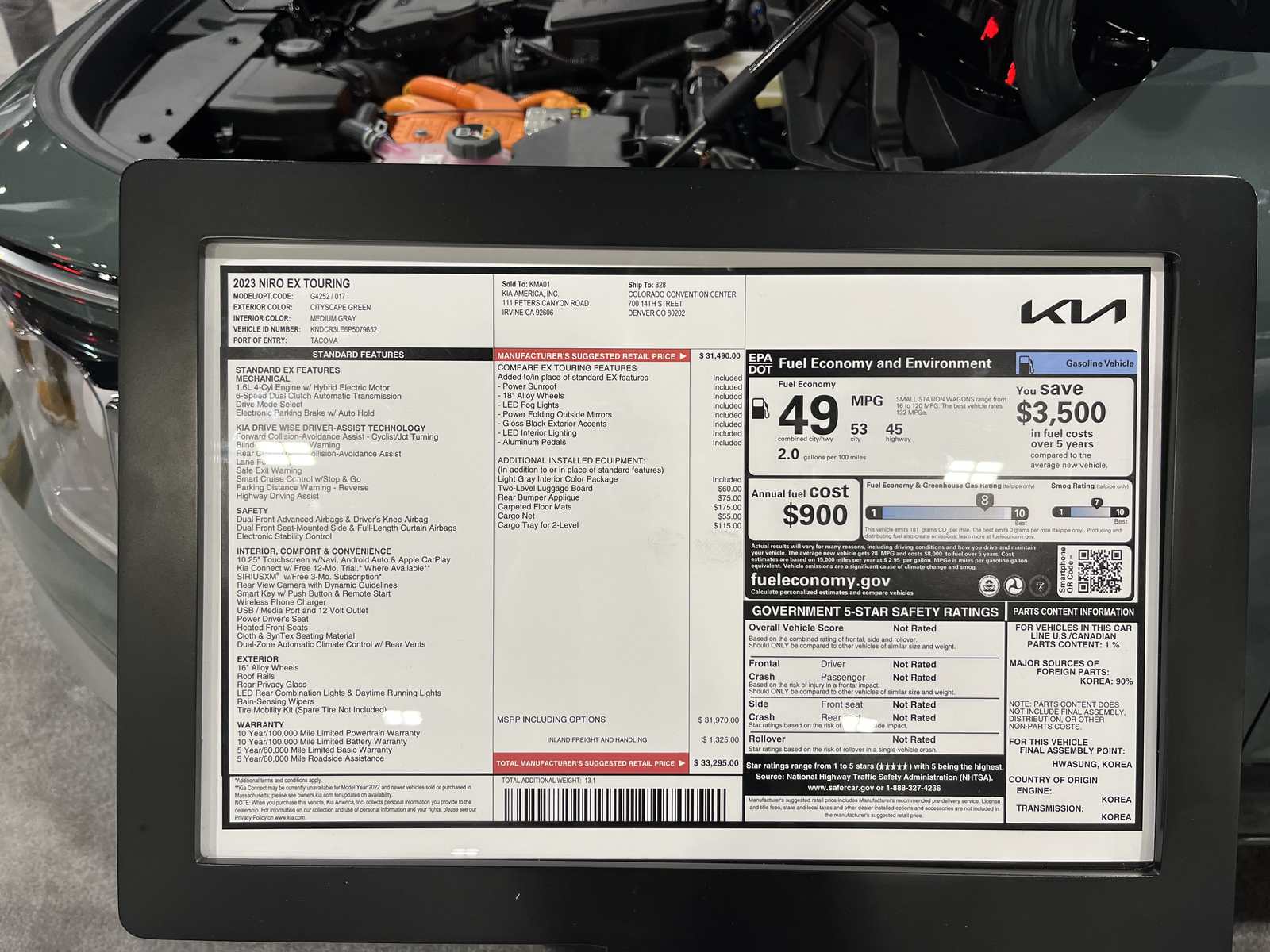
Every new Subaru arrives at the dealership with a factory invoice listing the base invoice for the trim, the invoice cost of factory options and packages, and the destination charge. The MSRP on the window sticker is built from the same vehicle at retail prices, which is why the two totals differ on every line.
Three things are worth knowing about Subaru specifically. First, invoice is not the dealer's final cost: Subaru pays the dealer a holdback amount after the sale, and modest factory support can sit below invoice on selected models. Second, Subaru's distribution has a regional wrinkle: in parts of the Northeast, cars reach dealers through independent distributors (Subaru Distributors Corp and Subaru of New England) rather than Subaru of America — one reason published holdback figures carry a regional caveat for this brand. Third, Subaru buyers are unusually loyal and its core models hold value well, so dealers are rarely sitting on ageing stock they are desperate to clear.
Our pillar guides carry the concepts in full: MSRP vs invoice price and whether invoice price is the dealer cost.
How Much Lower Are Subaru Invoice Prices Than MSRP?
Subaru's MSRP-to-invoice gap is best described as thin. In percentage terms it is typically a smaller slice than the domestic brands offer, and because Subaru's prices sit in the middle of the market, the dollar gap on an Outback or Forester is modest too. On a Subaru the deal is won on the total picture — fair selling price, minimal fees, the right factory APR — rather than a dramatic cut from sticker.
Use that pattern this way:
- On the Outback, Forester, and Crosstrek, expect prices to cluster between invoice and MSRP; a clean deal just over invoice with no forced add-ons is a solid outcome.
- On outgoing model-year stock, the gap plus factory support can stack, and invoice becomes a realistic target.
- On the WRX, BRZ, and Wilderness trims, availability drives pricing more than margin; invoice is your fairness check.
Articles describe that spread only in general terms; the number for your car has to come from a live lookup. The invoice pricing page prices the current model year with your trim and options selected — the only version worth negotiating from.
Subaru Holdback: 2% of Total MSRP, With a Regional Caveat
Holdback is the amount Subaru returns to the dealer after the vehicle sells. Because the payment is built into the invoice structure, a Subaru sold exactly at invoice still returns money to the dealer afterwards — the printed invoice overstates the true cost.
The newest published chart, Auto Cheat Sheet's holdback list (titled for 2026, last updated December 2024), puts Subaru holdback at 2% of total MSRP — and adds that the figure may vary in the northern United States. An older historical holdback chart (revised 2008, as reposted) records 3% of total MSRP for Subaru and likewise notes that amounts may differ in the Northeast, where independent distributors supply the dealers. We use the newer 2% figure as primary, disclose the older 3% figure openly, and widen the true-cost range in distributor regions. Neither figure is factory-confirmed; Subaru does not publish holdback for consumers. Our full explainer on dealer holdback covers the payment's timing and why dealers defend the arrangement.
Illustrative example — not a live price: on a vehicle with a $35,000 total MSRP, holdback at 2% of total MSRP would be $700; at the older 3% figure it would be $1,050. Either way, it is context for a confident offer, not a line item you can demand — a dealer who agrees to invoice on a Subaru works with a thinner cushion than a truck dealer at the same price.
The Destination Charge on a Subaru
The destination charge covers delivery of the vehicle from the plant or port to the dealership. Subaru sets it, it is the same at every dealer for the same model, and it is included in both the MSRP total and the invoice total. Keep that in mind when you compare the two totals: because the dealer paid destination as well, it never forms part of the margin you are negotiating over.
So treat the destination line as settled, and spend your negotiating effort on the selling price and dealer-added items. Documentation fees and dealer-installed accessories are a different matter — set by the dealer, varying store to store — so compare finished deals on the out-the-door total in the calculator.
Subaru Invoice Prices by Popular Model
Subaru's volume concentrates in a handful of nameplates — the models where invoice research pays back fastest:
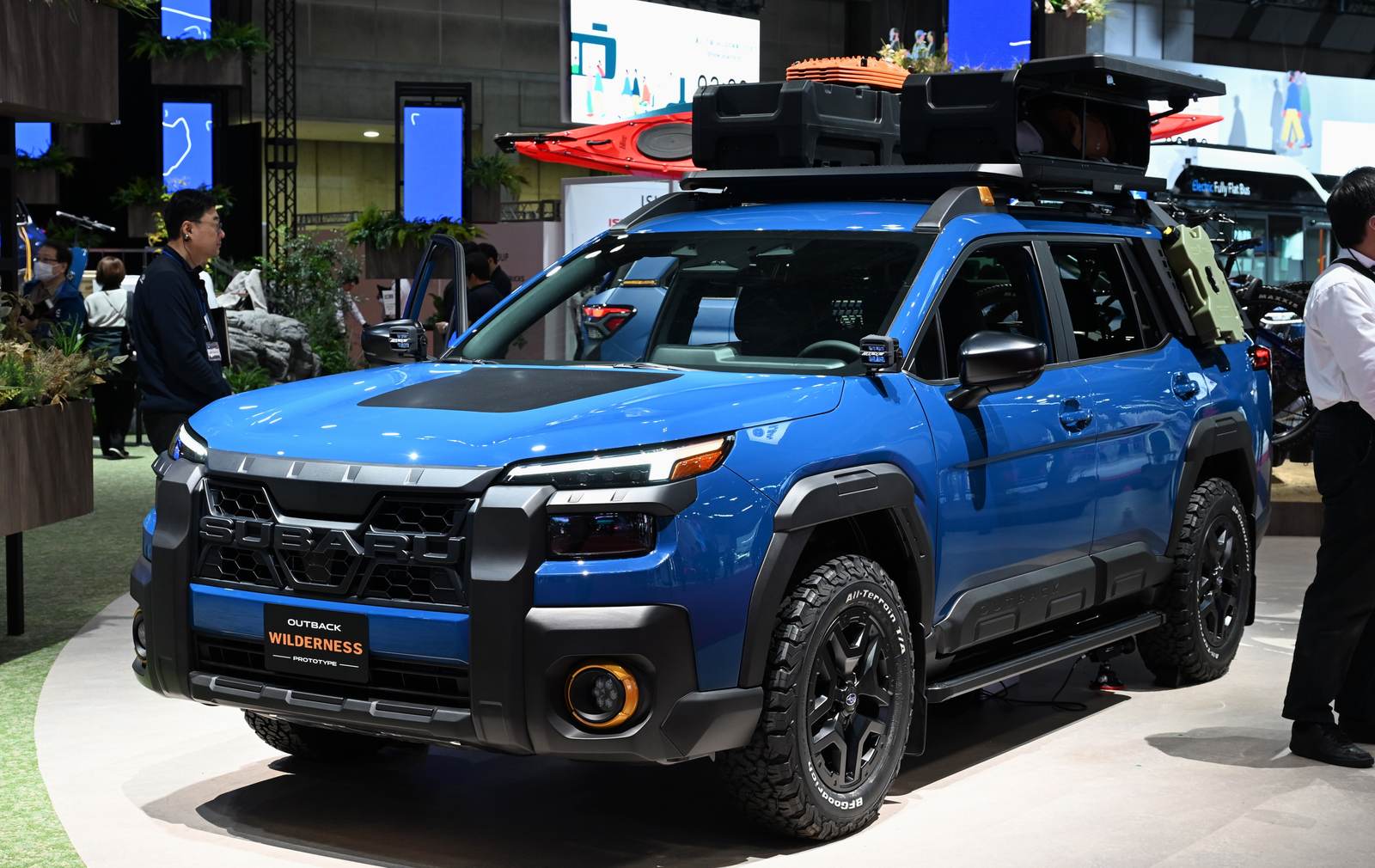
- Outback — the flagship wagon-crossover. Option content drives the invoice spread; Wilderness versions carry firmer pricing.
- Forester — the compact SUV staple, redesigned recently; early in a redesign cycle, dealers hold closer to sticker.
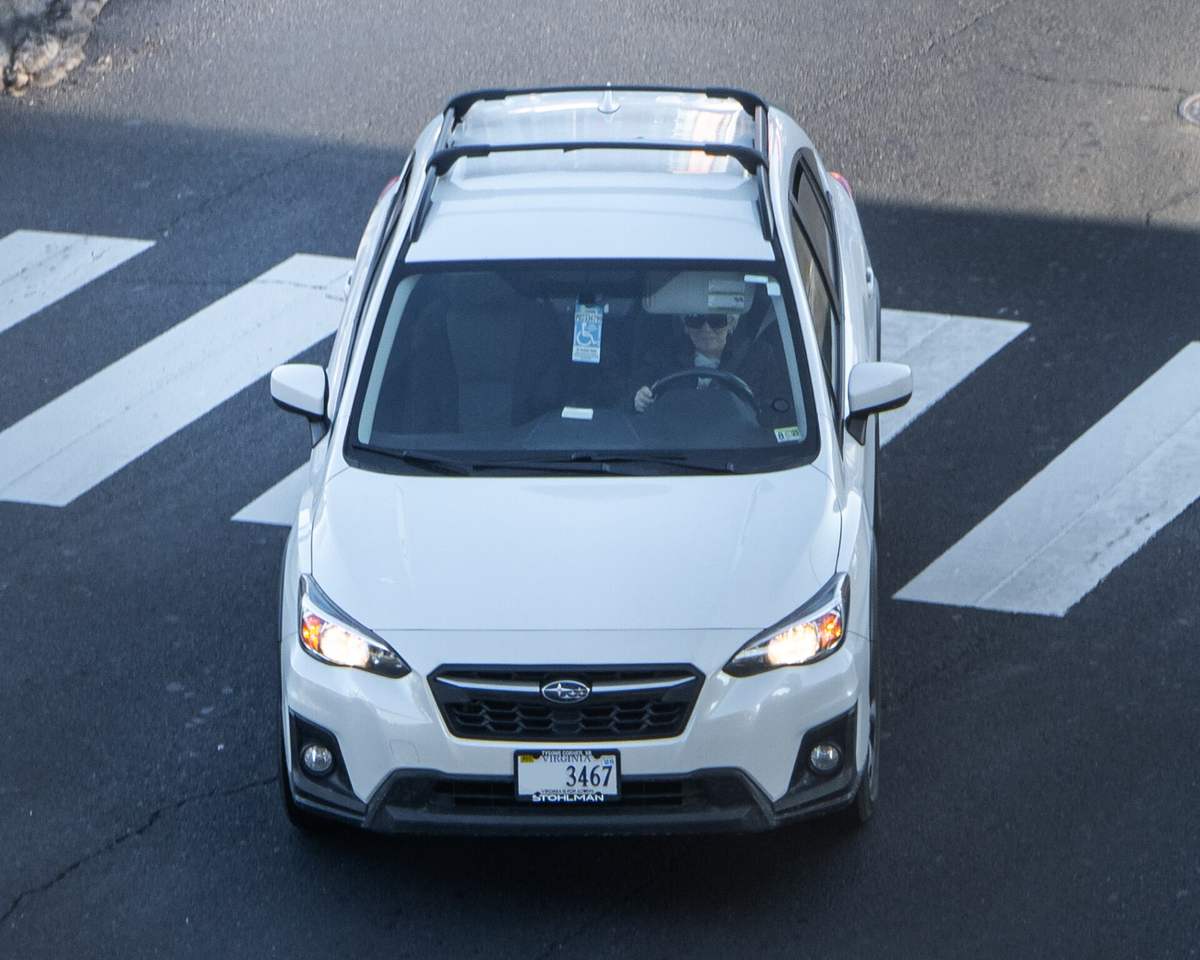
- Crosstrek — the subcompact crossover; small dollar margins, so the out-the-door total is where deals are won.
- Ascent — the three-row family SUV, where higher prices create the widest dollar gaps in the line.
- Impreza — the value hatchback and sedan; thin margins, and a model where a leftover previous-year car can be the smartest buy.
- WRX and BRZ — the enthusiast cars. Low volume makes pricing dealer-by-dealer; a live lookup matters more than a rule of thumb.
We publish the live figure for each model and trim on the Subaru make page rather than printing static dollar amounts here, because invoice figures change with each model year, price revision, and option package, and a stale printed number would mislead you. For the method itself, how to find invoice price on a car works through each step in turn.
How to Use MyCarDiscount for a Subaru
The workflow mirrors our invoice pricing tool:
- On the makes index, choose Subaru, then your model and trim.
- Before the site asks for contact information, you see the MSRP, the invoice price, and an estimated true dealer cost range — invoice less holdback and incentives. Our methodology page explains how the estimate handles Subaru's regional caveat.
- Build the out-the-door total in the calculator, local tax and fees included, so competing quotes compare like for like.
- Dealers join in only at your invitation: pick up to three named dealers, request their offers email-first — the price was shown up front, never held back behind a form.
For contrast with thicker-margin brands, see our guides to Toyota invoice prices and Ram invoice prices.
Negotiating a Subaru With the Invoice in Hand
Subaru negotiation is about precision and cleanliness, not drama:
- Check the current manufacturer offers on Subaru's official site before you shop, and never let a dealer present a standard factory APR as a personal favour. Subaru's support leans toward finance offers and loyalty money rather than headline rebates.
- Ask about Subaru's VIP programme if you belong to a partner organisation: Subaru has long offered eligible members invoice-based pricing through it. Terms are set by Subaru, so confirm them officially — for some buyers it removes the negotiation entirely.
- Keep the deal clean. Any dealer-installed items on the car are separate from the factory invoice — shop a dealer whose inbound units carry fewer of them.
- Because margins are thin, the biggest lever is choosing between two dealers' out-the-door quotes on the identical trim rather than demanding an unrealistic figure below invoice. Our guide to negotiating from invoice price covers the offer maths, and the FTC's new-car buying guidance backs the same total-price approach.
Frequently Asked Questions
How do I find Subaru invoice prices for my exact trim?
Look the trim up on our Subaru page and the invoice pricing tool will price that exact specification — base invoice for the trim, factory options at invoice, destination included. On a Subaru the exact figure matters more: margins are thin, so a model average could overstate your negotiating room by most of the spread that exists.
Is the invoice price the dealer's real cost on a Subaru?
No, though on a Subaru the distance below invoice is shorter than on most brands. Underneath sit the holdback — 2% of total MSRP on the newest chart — plus any factory-to-dealer incentives, both modest here. Is invoice price the dealer cost shows the full stack.
Why do Subaru margins run thinner than most?
Subaru prices its cars tightly from the factory, sells a narrow, high-demand all-wheel-drive line, and supports its dealers with comparatively modest incentive money — so there is simply less spread built between the sticker and the invoice than on a heavily rebated truck or a slow-selling sedan.
Do Subaru invoice prices include destination?
Yes. Subaru sets one destination charge per model, charges it on every car whichever dealership sells it, and includes it in the invoice as in the MSRP — no version of the deal makes it disappear. The figures worth scrutinising are the dealer's own: documentation fees and installed accessories, which Subaru does not set.
The Bottom Line on Subaru Invoice Prices
Subaru invoice prices give you a realistic map of a thin-margin negotiation: what the dealer paid, the holdback below it — 2% of total MSRP on the newest chart, with an older 3% figure and a Northeast distributor caveat honestly on record — and a clear sense of what a fair deal looks like. Pull the live Subaru invoice price for your trim on MyCarDiscount, build the out-the-door total, and invite named dealers to compete for it, number already understood. Start at MyCarDiscount.com.
Get the number dealers start from.
Invoice, estimated true cost, out-the-door — before any dealer hears your name.