
Nissan Buying Guide: Rogue, Altima, Sentra and Frontier
The Nissan car buying guide short version: value-hunting buyers end up at Nissan for good reason — frequent factory programmes and dealers who work to a number — alongside homework on a reliability record that varies by model.
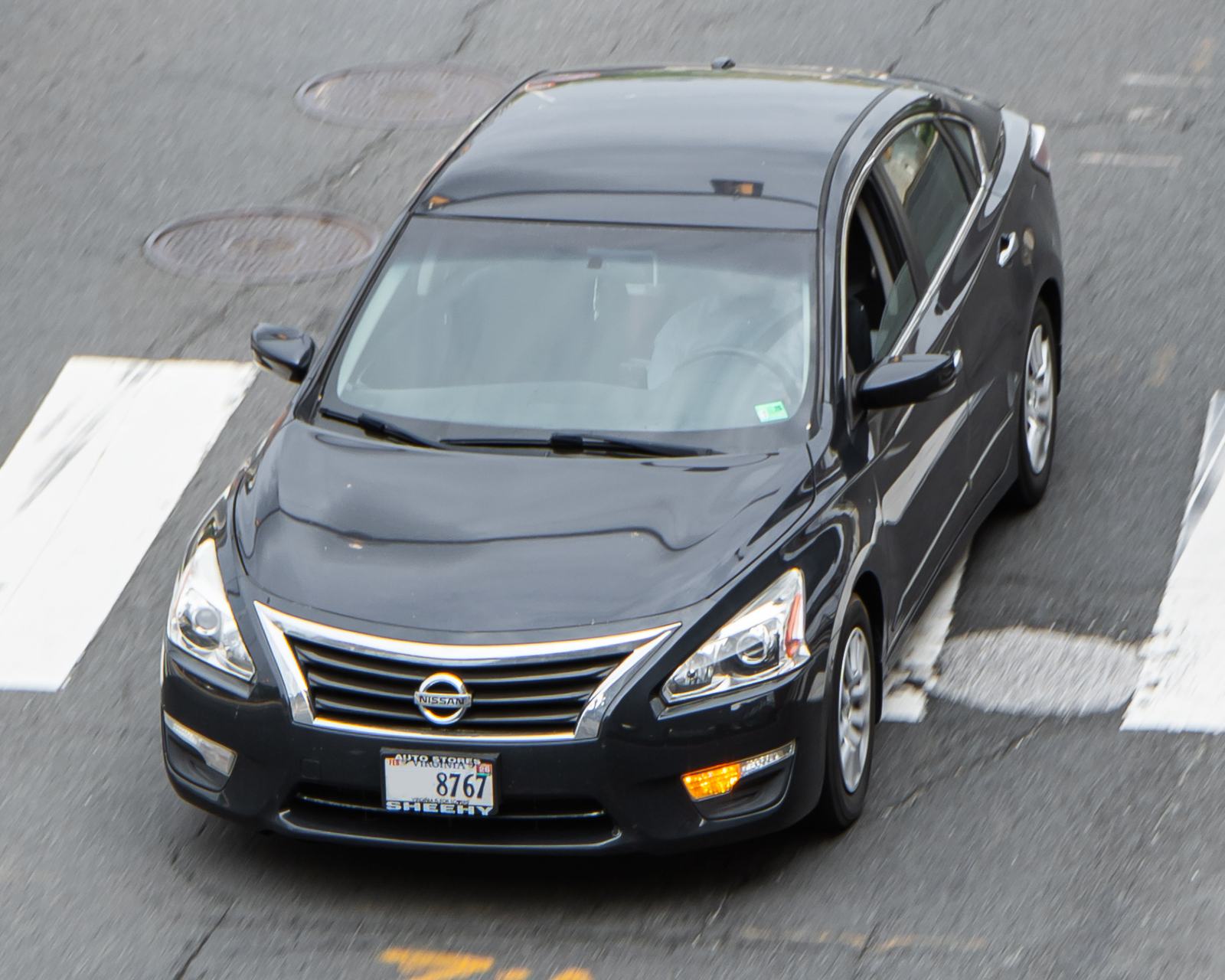
A Nissan buying guide serves a different kind of shopper from most brand guides, because Nissan is where value-hunting buyers end up: the Rogue, Altima, Sentra and Frontier all compete on price in their segments, Nissan dealers have a long-standing reputation for working to a number, and factory programs at this brand are frequent and aggressive. The opportunity is real — and so is the homework, because Nissan's range mixes strong modern products with older designs and a reliability record that varies by model and era.
No per-model prices appear in this guide, and no discounts are promised. It maps the current lineup around the four models most Nissan shoppers compare, explains Nissan's unusual holdback basis honestly, gives you reliability notes stated the way the evidence allows — qualified, not ranked — and shows where Nissan deals genuinely tend to sit. Every quote you gather should be judged on its full out-the-door total.
Nissan buying guide: the lineup map
This table maps the range around its four anchor models — a map, not a price list.
| Segment | Key models | Who they suit | Discount character |
|---|---|---|---|
| Cars | Sentra, Altima, Versa (2025, final year) | Budget and commuter buyers; some of the lowest entry points in each class | Sedan segments are program-heavy; outgoing Versa stock is clearance territory |
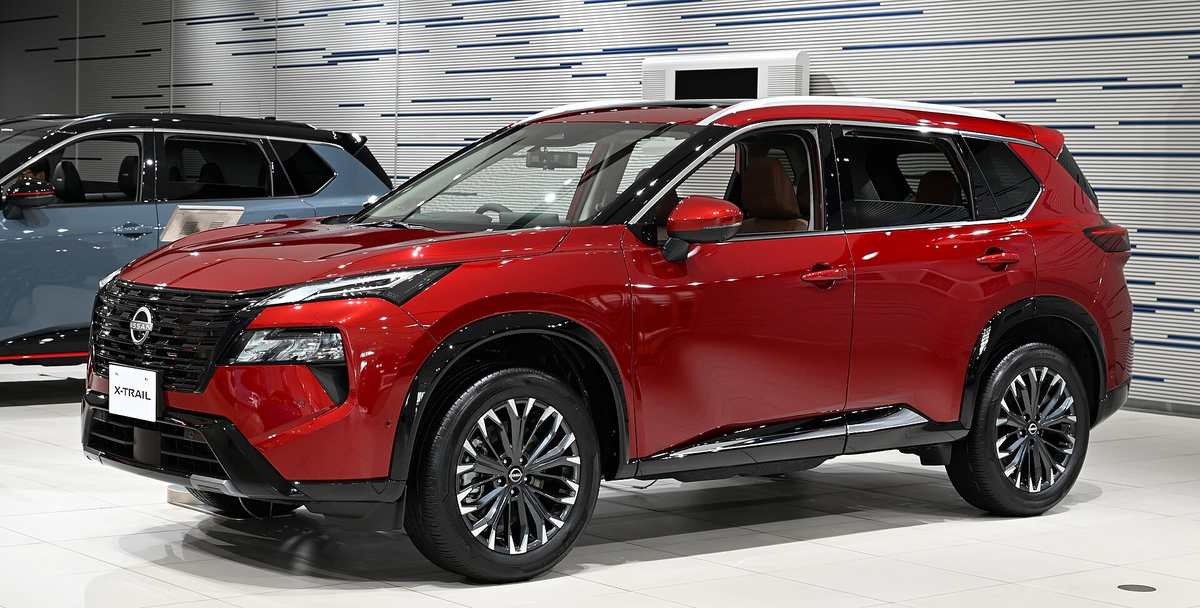
| Compact SUV | Rogue, Kicks | The brand's volume center; Rogue is Nissan's best-seller | Rogue fights RAV4 and CR-V, so support is frequent; Kicks is the price-led entry |
| Larger SUVs | Murano, Pathfinder, Armada | Two-row comfort (Murano) through full-size three-row towing (Armada) | Lower volumes, wider dealer-to-dealer spread; worth comparing more quotes |
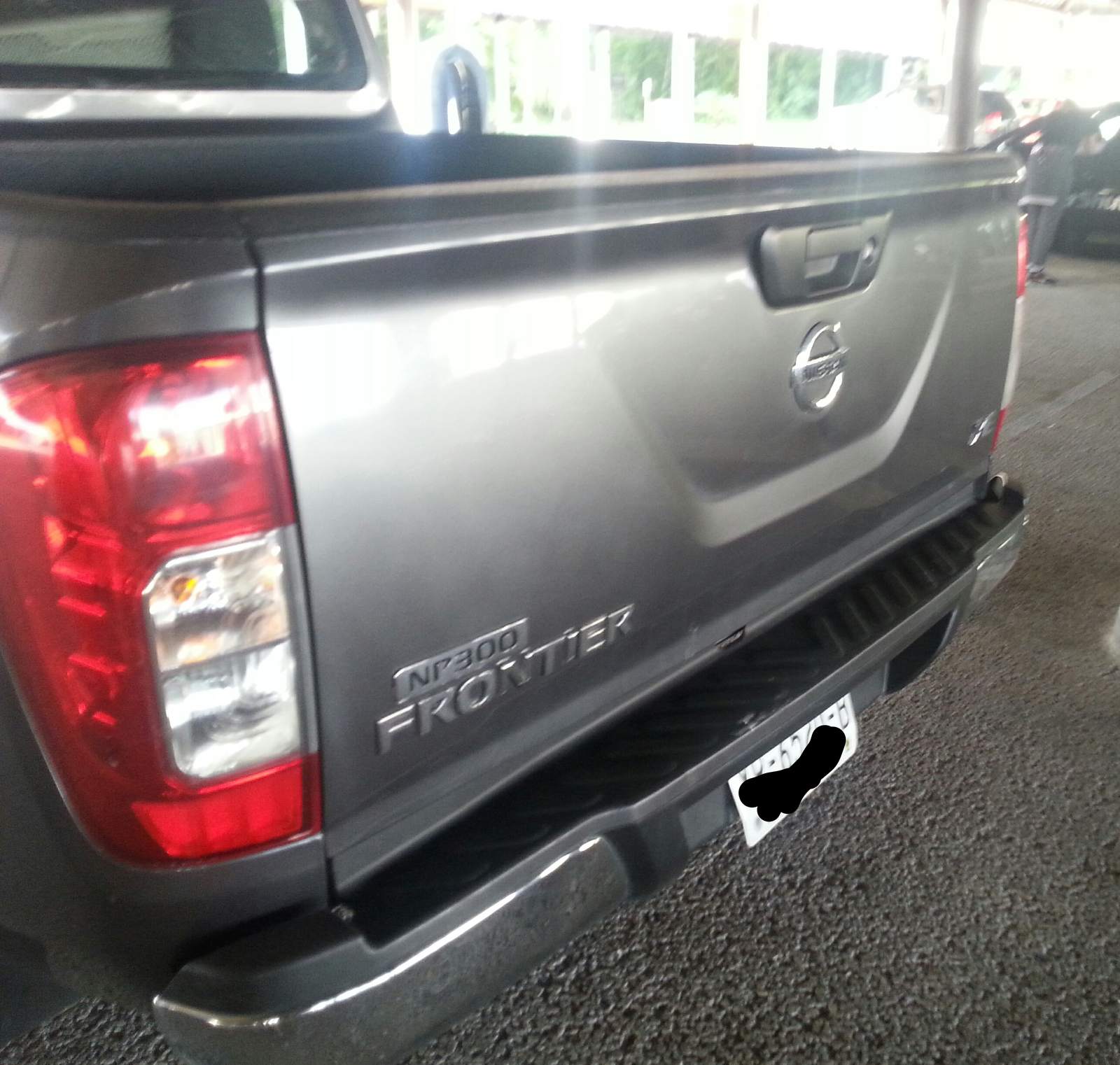
| Truck and sports | Frontier, Z | Midsize pickup buyers wanting a simple, proven formula; sports-car niche | Frontier pricing follows the midsize truck market; discounts follow stock age |
| Electric | LEAF, Ariya (2025) | EV buyers, with a redesigned LEAF for 2026 | Program-driven; check lease and purchase treatment separately |
Context worth knowing: the Titan full-size truck left the lineup after 2024, so the Frontier is now Nissan's only pickup. The Versa's final model year was 2025 — leftover cars are clearance stock, priced accordingly, and the Sentra becomes the brand's entry sedan. The Murano and Armada were both recently redesigned, which typically firms their pricing early in the run while the outgoing designs clear. Anyone buying a new Nissan should read our companion post on Nissan invoice prices alongside this guide: it covers the invoice structure behind these models.
How Nissan pricing and holdback work
A Nissan's sticker is built from the trim's base MSRP, factory options and the destination charge, which Nissan sets and which appears in both the MSRP and the invoice. Below the invoice sit factory incentives and holdback — the amount returned to the dealer after the sale.
Nissan's holdback has the most distinctive basis in the industry: published guides put it at 2% of total invoice — calculated on the invoice price including options, not on the MSRP. Every chart source we checked agrees on this, which makes Nissan the one make where quoting an MSRP-based holdback would simply be wrong. The dollar figure is modest either way, and what is dealer holdback explains why holdback is context for an offer rather than money you can demand. The live invoice for your exact trim is on our Nissan car buying guide.
The larger pricing force at Nissan is the factory program cycle. Nissan leans on APR support, lease offers and model-specific cash more heavily than most mainstream brands, and the offers reset monthly by region and by model. A Rogue program and an Altima program in the same month can look nothing alike. New car rebates and incentives explains how to verify which programs attach to a specific vehicle rather than a headline ad.
Reliability notes, stated honestly
Nissan's reliability picture is genuinely mixed, and any guide that flattens it into a score is not helping you. The honest version:
- It varies by model and era. Nissan's continuously variable transmissions were the center of owner complaints and extended-warranty actions on several 2010s models. Current-generation cars use updated versions of that technology, and the Frontier and Pathfinder use conventional automatics — one reason truck and Pathfinder shoppers face a different reliability question from Rogue and Altima shoppers.
- The simple cars have aged well. The Frontier's long-running, uncomplicated formula is exactly why it holds a loyal following: fewer novel systems, a long production run, and a design the market has fully debugged.
- Warranty is your backstop, and it is shorter here. Nissan's 3-year/36,000-mile basic and 5-year/60,000-mile powertrain coverage is the industry-standard minimum pattern — half the powertrain term Hyundai and Kia offer. If you keep cars for a decade, price that difference into your comparison rather than discovering it later.
The practical rule: research the specific model and generation, read owner-reported data for that exact car, and let the warranty math inform how much a keener price is worth to you.
Where Nissan deals sit: patterns, not promises
- Program timing. At Nissan, the calendar is a pricing tool. Month-end and program-changeover periods are when supported models carry their strongest factory money; the same car can be a different proposition three weeks apart.
- Sedan value. Altima and Sentra compete in shrinking segments against committed rivals, and fleet demand shapes their stock. That combination regularly produces some of the sharpest transaction prices in their classes for buyers who time it.
- Rogue, the main event. As Nissan's volume leader in the industry's biggest segment, the Rogue is where dealer competition is fiercest — comparing several dealers' out-the-door quotes on the same trim is worth more here than any single negotiation tactic. How to get dealers to compete covers the method.
- Frontier patience. The midsize truck market is competitive but the Frontier's buyer is deliberate; discounts follow stock age and local inventory more than national programs.
Your buying playbook
- Fix your model and trim from the map above — at Nissan, the four anchors serve very different jobs. The full range is on our Nissan make page.
- Pull the invoice for that trim from the invoice pricing tool, and read the Nissan invoice prices companion post for brand context, including the invoice-based holdback.
- Check the current month's factory programs against your specific model before negotiating the car's price — at this brand, the program is often half the deal.
- Build the out-the-door total in the nissan buying tips calculator and compare quotes on that figure. Comparing across brands too? The best compact SUVs guide covers the Rogue's segment as a whole.
Frequently asked questions
Where do Nissan deals tend to be strongest?
As a pattern, on the program-supported volume models — Rogue among SUVs, Altima and Sentra among cars — timed to the factory's monthly program cycle, and on outgoing or long-sitting stock. The Frontier's deals follow local inventory instead. There is no fixed amount; the program and the specific car decide.
What is Nissan's holdback, and why does the basis matter?
Published guides put Nissan holdback at 2% of total invoice. Most brands' holdback is calculated on MSRP, so using the wrong basis misstates the dealer's position. It is still a modest figure — context for an offer, not a sum to demand — but getting the basis right is part of honest true-cost math.
Is Nissan reliability a reason to avoid the brand?
Not as a blanket rule. The record varies by model and generation: the CVT era generated real complaints on specific models, while simpler, longer-running designs like the Frontier have strong followings. Research the exact model year you are buying, and weigh Nissan's shorter warranty — 5-year/60,000-mile powertrain cover against the Koreans' 10-year/100,000-mile term — in the total comparison.
Is the Frontier a good buy against newer midsize trucks?
The Frontier's appeal is its proven, straightforward formula — a naturally aspirated V6 and a conventional automatic in a segment going turbocharged and complex — at pricing that typically undercuts the newest designs. Buyers who value simplicity and a long production run rate it; buyers wanting the latest cabin technology should compare carefully before deciding.
Conclusion: putting this Nissan buying guide to work
A Nissan buying guide's real subject is timing and homework: this is the brand where the monthly program, the specific car's stock age and your own research into the exact model combine to make the deal. A Nissan car buying guide ends at the numbers: pull the live invoice for your trim on MyCarDiscount, check the current programs against that specific vehicle, and make dealers compete on an out-the-door number you already understand. Start at MyCarDiscount.com.

Get the number dealers start from.
Invoice, estimated true cost, out-the-door — before any dealer hears your name.