
How to Read a VIN Number: Every Section Decoded in Full
Read a VIN number, section by section: seventeen characters that tell you where a car was built, what engine it carries and whether the seller's story checks out — decoded free.
Key Takeaways
- A VIN is 17 characters in five sections: manufacturer and origin, the descriptor, a check digit, the year and plant, and a serial number unique to the car.
- Position 10 codes the model year on a 30-year cycle — R is 2024, S is 2025, T is 2026 — so a listing year that disagrees with it is wrong somewhere.
- Position 9 is a check digit computed from the other sixteen characters; a VIN that will not validate is a stop sign until it is explained.
- A decode returns the car as built, not its history: accidents, mileage, title brands and value live in other records, never in the VIN.
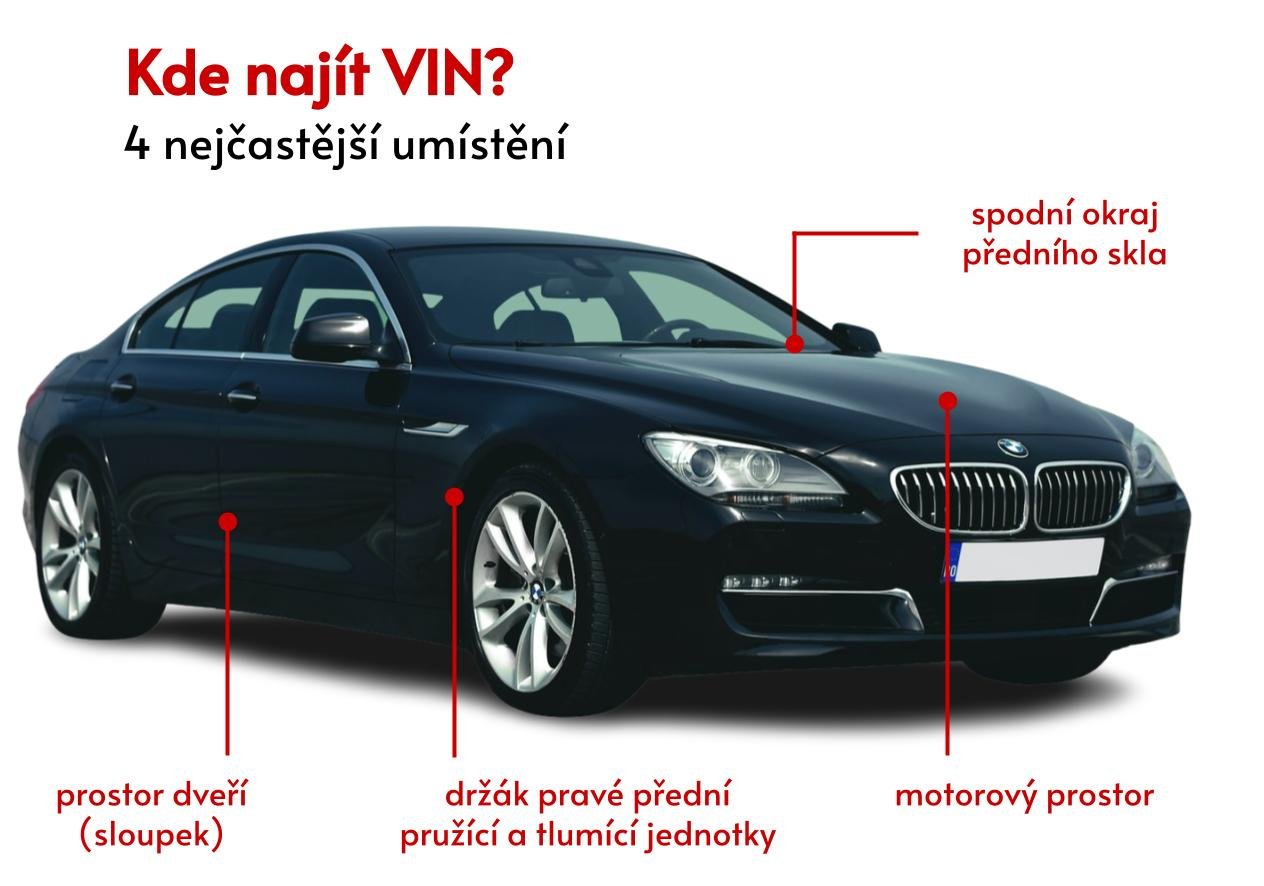
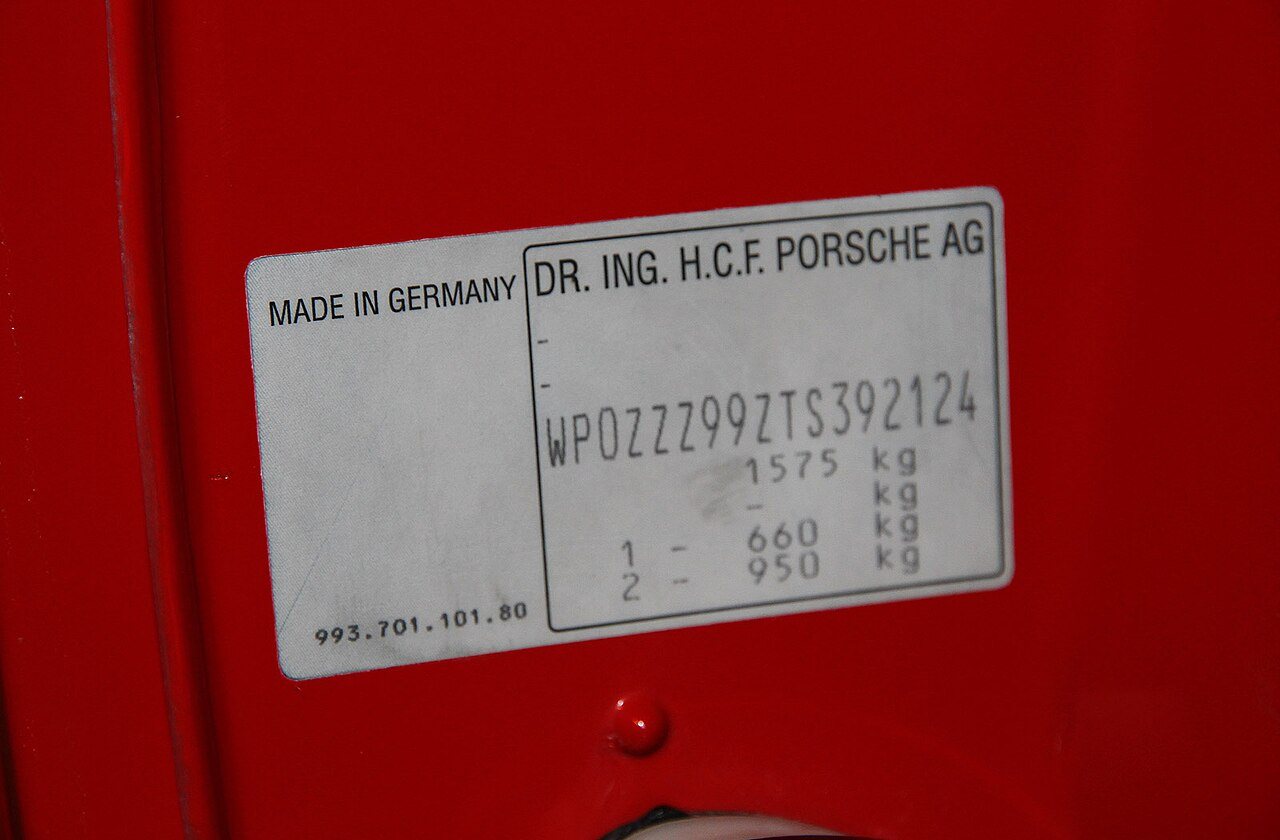
How to read a VIN number? This guide answers it in full, in plain English. Every car built for North America since the 1981 model year carries a Vehicle Identification Number: 17 characters, stamped on a plate at the base of the windshield, repeated on the driver's door-jamb label, and printed on the title, registration and insurance card. It is not a random serial. A VIN is a structured record — who built the car, where, in what configuration, in which model year, at which plant, and where it sat in the production run. Learn the structure and you can verify the core of any seller's story in under a minute: whether the year is what the listing claims, whether the car was built where the badge implies, and whether the paperwork in front of you describes the car in front of you. This guide decodes a VIN section by section, then shows you the free tool that does the manufacturer-specific part for you.
How to Read a VIN Number at a Glance
| Positions | Section | What it tells you |
|---|---|---|
| 1–3 | World Manufacturer Identifier (WMI) | Country of the VIN series, manufacturer, and vehicle type |
| 4–8 | Vehicle Descriptor Section (VDS) | Model, body style, engine, restraints and drive — coded by the manufacturer |
| 9 | Check digit | A computed character that validates the whole number |
| 10 | Model year | The model year as a letter or digit code (T = 2026) |
| 11 | Assembly plant | Which factory built the car, in the manufacturer's own code |
| 12–17 | Serial number | The car's production sequence — its unique identity |
Positions 1–3: Who Built It, and Where the Series Lives
The first character names the country where the manufacturer's VIN series is registered: 1, 4 or 5 for the United States, 2 for Canada, 3 for Mexico, J for Japan, K for South Korea, W for Germany. The second character identifies the manufacturer, and the third completes the World Manufacturer Identifier by vehicle type or division. Together, the WMI is assigned, not chosen — 1G1, for example, is a US General Motors series for a Chevrolet passenger car. One caution the first character teaches: it records the manufacturer's series registration, and combined with position 11 (the plant) it is the plant code that tells you where this specific car was actually assembled. Cars are global products now; the VIN structure is honest about that if you read both ends of it.
Positions 4–8: The Descriptor — Where the Details Live
These five characters encode what the car is: model line, body style, engine, transmission or drive type, and restraint system, in an order each manufacturer sets for itself. That last fact is the important one. There is no universal table that says position 6 always means the same thing — Honda's encoding is not Toyota's, and Ford's is not either. Manufacturers file their decoding tables with NHTSA, and those tables are what decoder tools read. By eye, the VDS tells you little; decoded against the maker's table, it tells you the engine the car left the factory with and the body it wears. That is the check that matters in a used-car deal: if the listing claims the bigger engine and the descriptor decodes to the smaller one, the listing is wrong, whatever the seller says.
Position 9: The Check Digit — the VIN's Built-In Lie Detector
The ninth character describes nothing about the car. It is computed from the other sixteen: every character is converted to a number by a standard table (digits count at face value; letters follow a fixed transliteration), multiplied by a position weight, summed, and divided by 11 — the remainder is the check digit, with a remainder of 10 written as the letter X. Work it once on an illustrative example, 1G1ZD5ST6TF123456: applying the standard values and weights gives a weighted sum of 325, and 325 divided by 11 leaves a remainder of 6 — exactly the character in position 9, so the number validates. Why it matters to a buyer: any transcription error, and many altered VINs, fail this test instantly. When a decoder or a lender's system rejects a VIN as invalid, a mistyped character is the usual cause — but on a car you are about to pay for, a VIN that does not validate is a stop sign until it is explained.
Positions 10–11: The Year, Encoded — and the Plant
Position 10 is the model year, and it is a code, not a digit string. Letters and digits rotate on a 30-year cycle: recent codes run R for 2024, S for 2025 and T for 2026. Two consequences follow. First, the letters I, O and Q never appear anywhere in a VIN (they are too easily confused with 1 and 0), and U and Z sit out the year position. Second, because the cycle repeats, a code alone cannot separate 1996 from 2026 — the car in front of you does that job; nobody mistakes one for the other in person. Where the year code earns its keep is catching paperwork drift: a listing, title or contract whose stated year disagrees with position 10 is wrong somewhere, and our guide to reading your purchase agreement shows where that mismatch does its damage. Position 11 is the assembly plant, in a code each manufacturer assigns; decoded, it names the factory — useful when a model's plants differ by country, and a tidy cross-check on any "built in America" claim.
Positions 12–17: The Serial — Which One It Is
The last six characters are the production sequence: this car's place in the run for its model, year and plant. They carry no options or equipment information, but they are the part that makes the VIN an identity rather than a description. Two cars can share the first eleven characters — same maker, model, engine, year and plant — and the serial is what separates them. For low-volume manufacturers, positions 12–14 extend the manufacturer identifier instead, with the serial compressed into the final characters; the structure flexes, the uniqueness does not. A manufacturer may not reuse a VIN for 30 years.
What a VIN Cannot Tell You
A decode gives you the car as built: identity, origin, configuration. It does not give you the car's life. Accidents, repairs, mileage history, open recalls completed or ignored, title brands and odometer readings live in history reports and service records, not in the VIN itself — the VIN is the key those records hang on, which is why it is worth verifying first. It also does not give you price: no character in a VIN says what a car is worth or what a dealer paid for it. And the VDS, for all its detail, decodes factory specification — a car modified after delivery will still decode to what it was, not what it now is.
Verify Any VIN in Seconds
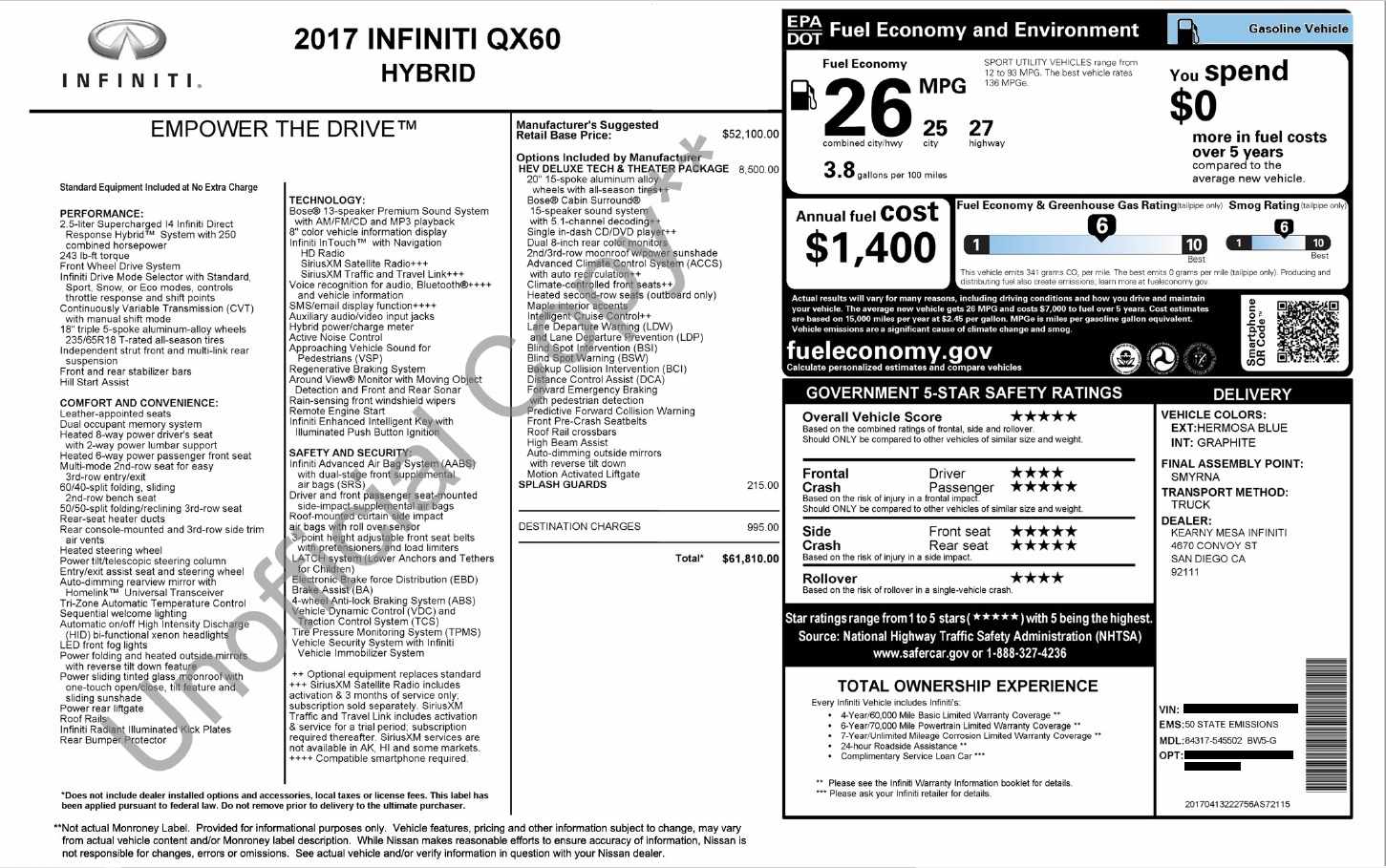
Reading the structure by eye gets you the country, the year and a validity check. The manufacturer-specific middle — the exact engine, body and equipment the car was built with — needs the maker's tables. That is what our free VIN lookup does: it decodes any 17-character VIN against the NHTSA database, the same federal data manufacturers file their tables into, and returns the build record. Run it on any car you are serious about, then compare the result against the window sticker and the seller's claims — our window sticker guide covers the other document the two should agree with. Agreement across all three is what a straight deal looks like.
Frequently Asked Questions
Where do I find the VIN on a car?
In three standard places: on a plate at the base of the windshield on the driver's side, readable from outside the car; on the certification label on the driver's door jamb; and on the title, registration and insurance documents. All three should match exactly — a mismatch between the car and its paperwork is a serious problem to resolve before money moves.
Can I tell the model year from the VIN alone?
Yes — position 10 is the model year code, always. Recent codes: R = 2024, S = 2025, T = 2026. The codes repeat on a 30-year cycle, so use context for older cars, but for anything modern the code is a direct read on whether the advertised year is the real one.
What does it mean if a VIN decoder says the VIN is invalid?
Usually a mistyped or misread character — the check digit in position 9 exists to catch exactly that. Re-read the plate and try again. If a carefully copied VIN still fails, treat it as a red flag: altered or fraudulent VINs exist, and no purchase should proceed until the number validates and matches the title.
Does decoding a VIN tell me if a car has been in an accident?
No. A decode returns the car as it was built — maker, model, engine, year, plant. Accidents, title brands and repair history live in vehicle-history records that are indexed by the VIN but are not part of it. Decode first to confirm the car's identity, then run its history with that verified VIN.
The Bottom Line on How to Read a VIN Number
That is how to read a VIN number in full: seventeen characters, five sections — who built it, what it is, a self-checking digit, the year and plant, and a serial that makes it unique. Read positions 1, 9 and 10 yourself in seconds, let the free decoder handle the manufacturer's middle, and never pay for a car whose VIN does not validate, does not match its title, or does not agree with its window sticker. How do you read a VIN number? By now you have the full answer — use it to judge every offer on the same terms. Start at MyCarDiscount.com.



Get the number dealers start from.
Invoice, estimated true cost, out-the-door — before any dealer hears your name.