
Documents Needed to Buy a Car: The Full Buyer's Checklist
Paperwork needed to buy a car, deal by deal: license, insurance proof, pay stubs, title for the trade — this checklist covers what the dealer will ask for on cash, financed and leased deals, and what to never hand over early.
Key Takeaways
- Every buyer brings the same core: a valid driver's license, proof of insurance, and payment — a cashier's check is the cleanest form for a down payment or cash deal.
- Financing adds the credit pile: recent pay stubs (typically the last 30 days), proof of residence, employment details and personal references with phone numbers.
- Trading in adds the title (plus a lien release if a shown lien was paid off), current registration, every key and fob, and your lender's payoff details if you still owe.
- Keep three things back until their moment: your Social Security number, your trade's title and your current car's keys — surrendering them early creates commitment before signing.
One subject runs through this whole guide:documents needed to buy a car. What follows explains it in plain English, with the numbers attached. Nothing stalls a car deal like a missing document. The price is agreed, the car is waiting — and the finance office needs a pay stub you left at home, or the title to your trade that is sitting in a drawer two counties away. The paperwork needed to buy a car is predictable once you know which pile your deal belongs to: every buyer brings the same core documents, financed deals add income and residence proof, trades add title and payoff paperwork, and leases add their own signing items. This checklist covers all of it — plus the short list of things to keep in your pocket until the right moment. Pair it with our questions to ask when buying a car checklist and you will arrive overprepared in both directions.
Documents Needed to Buy a Car at a Glance
| Your deal | The documents that decide it |
|---|---|
| Every buyer | Driver's license, proof of insurance, payment for the down payment or full amount |
| Financing | Pay stubs, proof of residence, references, employment details — the credit application pile |
| With a trade-in | Title (or lender/payoff details), registration, both keys, lien release if recently paid off |
| Rebate claims | Military ID, diploma or graduation letter, current registration for loyalty/conquest proof |
| Leasing | The finance pile plus first payment and lease fees due at signing |
What Every Buyer Brings
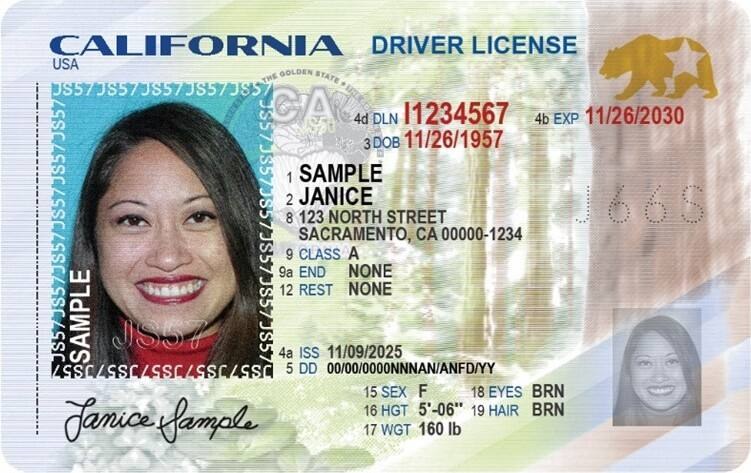
What documents do you need to buy a car? Three items are universal. First, a valid driver's license — the dealer must confirm you are licensed to drive the car away, and the name on the license is the name that goes on the title paperwork. Second, proof of insurance: your current insurance card at minimum, and before the car leaves the lot the dealer will need the new vehicle covered — most buyers call their insurer from the dealership and add the car on the spot, so bring your policy number and your agent's or insurer's phone number. Third, your payment: the down payment or, on a cash deal, the full amount, in the form the dealer accepts — a cashier's check is the cleanest instrument; personal checks and debit cards are accepted by many stores with limits, so confirm the form before you arrive, not after.
Two cash notes. Paying with more than $10,000 in physical currency triggers a federal report the dealer is required to file (IRS Form 8300) — legal, but a surprise worth avoiding by using a cashier's check. And if the address on your license is not where you live, bring a recent utility bill or bank statement showing your current address; registration and tax are calculated on where the car will be kept, and a mismatch slows everything down.
If You Are Financing: The Credit Pile
A lender is underwriting you, not just the car, and its document list follows from that. Bring recent pay stubs — typically covering the last 30 days — showing year-to-date income and your employer's name. If you are self-employed, expect to substitute tax returns or several months of bank statements. Bring proof of residence (a utility bill, lease or bank statement at your current address), your employment details, and a short list of personal references with names, addresses and phone numbers — lenders still ask, and deals have waited on a reference's phone number. If your income includes sources beyond a job — disability, pension, child support you choose to count — bring the award letters or statements that document them.
Rebate paperwork rides in this pile too. Military, recent-graduate, loyalty and conquest incentives each require their proof — service ID or discharge papers, a diploma or graduation letter, the registration of the qualifying vehicle in your household. Bring the proof for every rebate built into your quote; a rebate claimed at the desk and unproven at the desk gets removed at the desk. Our first-time car buyer guide walks through how these pieces fit a first financed purchase.
If You Are Trading In: Title and Payoff Paperwork
The trade has its own stack. If you own the car outright, bring the title — and if the title shows a lien that has since been paid off, bring the lien release as well. Bring the current registration, every key and fob you have (a missing second key is a real deduction on modern cars), and any service records you kept; records are not required, but documented maintenance supports the appraisal. If you still owe on the trade, the dealer handles the payoff with the lender — bring your account details and the lender's name so the payoff figure can be verified exactly, the subject of our how trade-in payoff works guide. At signing you will also complete a federal odometer disclosure statement for the trade and, in most states, a limited power of attorney so the dealer can transfer the title — both are routine, and both deserve a read before your signature, like everything else in how to read your purchase agreement.
Leasing: The Same Piles, Plus Signing Money
A lease is a finance deal in structure, so the credit pile applies in full: license, insurance, pay stubs, residence proof, references. The additions are at the signing end — the first month's payment and the lease's upfront fees (acquisition fee, title and registration) are typically due when you take the car, so bring payment for those on top of any down payment you have chosen to make. Insurance requirements on leases are stricter than on purchases — lessors commonly require higher liability limits and lower deductibles than state minimums — so confirm your policy meets the lease's terms before delivery day rather than re-quoting insurance from the finance office.
What to Never Hand Over Early
Documents are leverage in sequence, and three of them should stay in your folder until their moment. Your Social Security number is needed for a credit application and for almost nothing before it — provide it when you have chosen the car, settled the price and decided to apply, not as a condition of a test drive. Your trade's title changes hands when the deal is signed, not when the appraisal starts; appraisals need the car and its VIN, not your ownership document. And your current car's keys stay with you during the visit — an appraiser needs them briefly, with you present. None of this is distrust; it is simply the order that keeps each number in the deal honest, because a document surrendered early has a way of making a buyer feel committed before the paperwork says they are.
Frequently Asked Questions
What documents do I need to buy a car with cash?
Fewer than any other buyer: a valid driver's license, proof of insurance (with the new car added before it leaves the lot), and your payment — a cashier's check is the cleanest form. No pay stubs, no references, no credit application. If you are paying with over $10,000 in physical currency, expect the dealer to file a required federal report on the transaction.
Can I buy a car if my license address is different from my home address?
Yes, but bring proof of where you actually live — a recent utility bill, lease or bank statement showing your current address. Sales tax and registration are based on where the car will be kept, and the finance office needs documents that match that address. Arriving with the proof turns a common delay into a non-event.
What if I cannot find the title to my trade-in?
Tell the dealer before the appraisal, not after. If a lender holds your title because of a loan, that is normal — the dealer arranges the payoff and title transfer directly. If you own the car and have lost the title, your state's motor vehicle office can issue a duplicate; the dealer may still complete the deal while it is processed, but the duplicate application is your errand and it can take time, so start it early.
Do I need insurance before I buy the car?
You need insurance in force on the new car before you drive it away, but you arrange it during the purchase, not before: most insurers add the vehicle with a phone call from the dealership, and existing policies typically extend a short grace period to a newly acquired car. Bring your current insurance card and policy number; confirm the grace period with your insurer ahead of time if you are buying on a weekend.
The Bottom Line on Documents Needed to Buy a Car
The documents needed to buy a car follow a simple pattern: license, insurance and payment for everyone; income, residence and references when a lender is involved; title and payoff proof when a trade is; signing money when it is a lease — and your Social Security number, title and keys surrendered only at their proper step. Assemble the documents required to buy a car the night before and the paperwork stage becomes the shortest part of the deal. That is the complete picture on thepaperwork needed to buy a car — know it before you negotiate, and the rest of the deal gets easier. Start at MyCarDiscount.com.


Get the number dealers start from.
Invoice, estimated true cost, out-the-door — before any dealer hears your name.