
Volume Car Pricing Discounts: Fleet Logic for One Buyer
Volume pricing discounts are built for fleets, not retail buyers — but how volume car pricing works is not mysterious, and some of it genuinely works for one person buying one car.
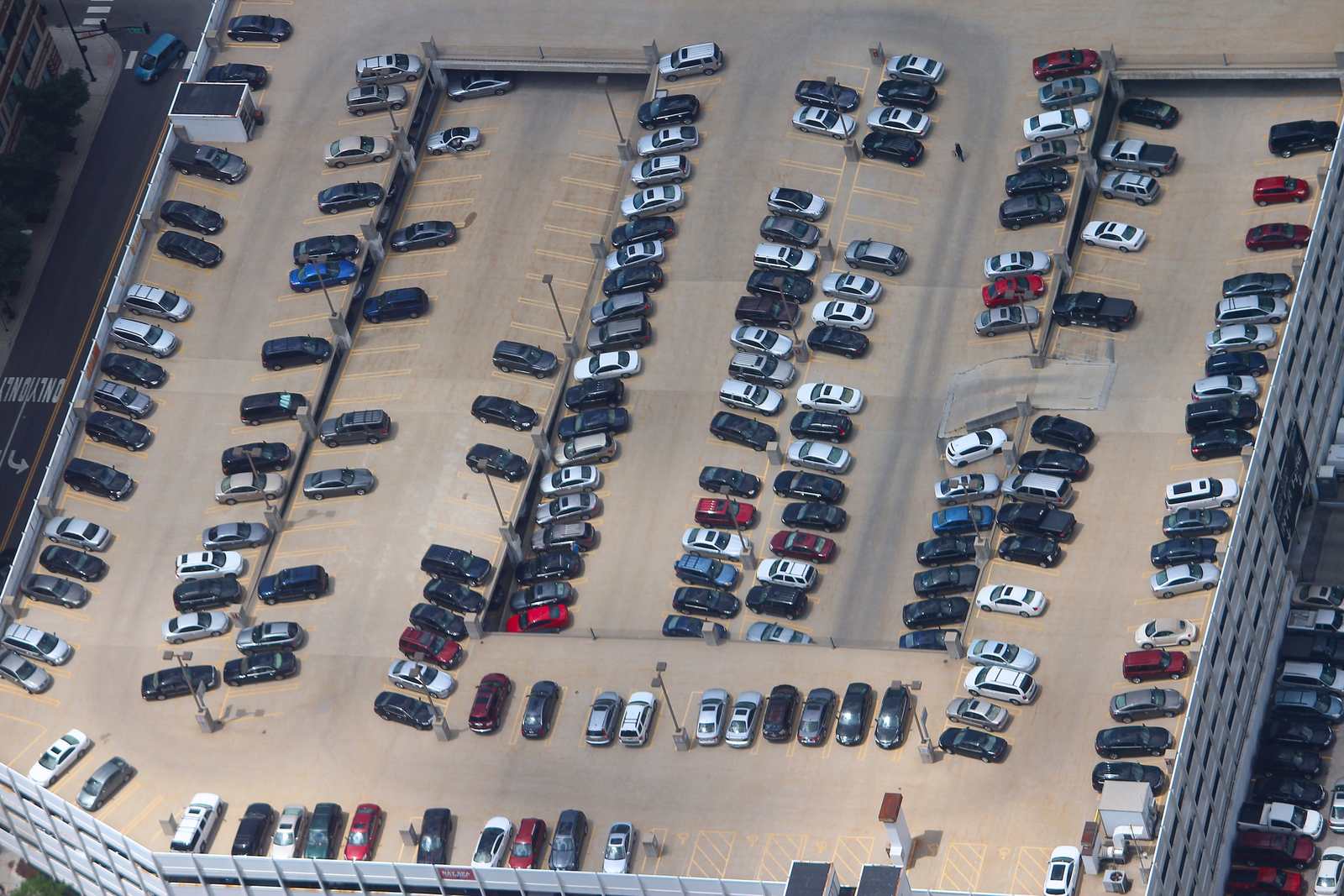
If businesses and rental companies pay less per vehicle because they buy in bulk, it is natural to ask whether volume car pricing discounts could work for one person buying one car. The short answer is that the fleet price list itself is closed to retail buyers, but the economics behind it are not mysterious, and some of them genuinely help an individual buyer. This guide explains why volume lowers the unit price, how manufacturer fleet programs work, where the eligibility line sits, and what you can legitimately borrow without pretending to be something you are not.
Why volume car pricing discounts lower the cost of each car
How volume car pricing works starts on the dealer side, because that is where most retail buyers feel the effect. A dealer does not earn money only from the margin on the single car in front of them. Manufacturers commonly reward total sales performance, so selling many units can earn volume or stair-step bonuses and help a store reach quota tiers. As volume rises, that back-end reward is spread across more cars, and the effective cost per car falls. A high-volume store can therefore profitably sell each car on a thinner front-end margin, because the bonus and the sheer count of transactions carry the month.
Turnover matters just as much. Cars sitting on a lot cost money to carry, through floorplan financing, insurance, lot space, and the risk of ageing into a less desirable model year. Fast-moving inventory costs less to hold, so a dealer built for throughput has reason to keep cars moving rather than hold out for the highest price on every unit.
That is the central point: the discount is an economics effect, not a secret price list. There is no hidden page a salesperson can unlock if you use the right phrase. There is a set of incentives that make each additional sale worth more to some dealers than others, and a buyer who understands them can choose where, when, and how to shop so they work in their favour. Our overview of volume pricing discounts on cars explains the starting figures those negotiations build from.
Fleet programs are a business-to-business channel
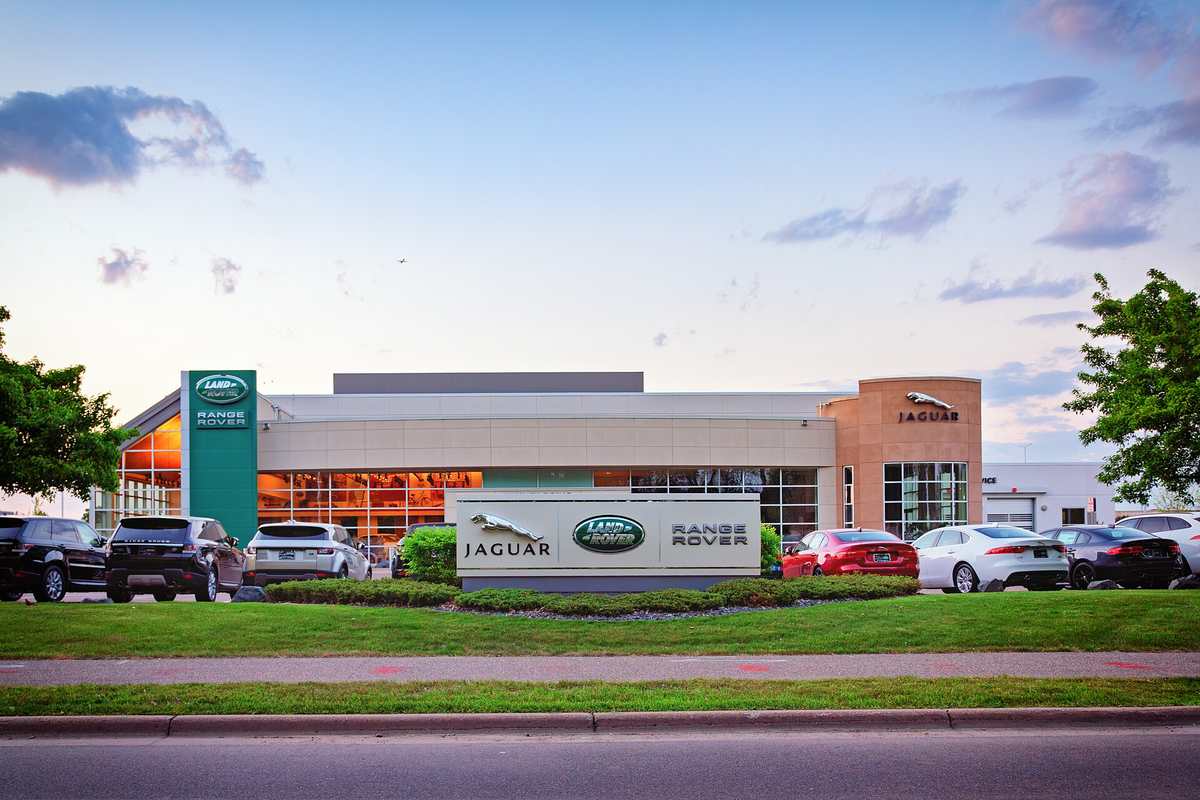
Separate from dealer volume bonuses, carmakers run fleet and commercial programs that sell vehicles in quantity to businesses, rental companies, and government buyers at negotiated fleet pricing. These are organised programmes, not walk-in discounts. Vehicles are usually offered on specific models and trims, ordered in bulk, and supplied under contracts reflecting the buyer's fleet use and total commitment. Standardised specifications are part of the model: a fleet buyer orders many similar vehicles for a defined job, which simplifies production, ordering, and servicing.
Eligibility is the gate that defines the whole channel. Programs typically require a registered business or fleet, may require minimum quantities, and may impose holding periods before resale. Documentation, approval, and contract terms come before pricing. Because terms differ by manufacturer and buyer type, and fleet pricing is negotiated rather than published as a retail offer, this guide describes the structure qualitatively and does not quote fleet prices or percentages.
The Federal Trade Commission makes a related point: manufacturer incentives may be limited to certain buyers or certain cars, so get answers in writing about the offers that apply to you — see the FTC guidance on financing or leasing a car. A fleet price belonging to a contracted fleet buyer is exactly that kind of limited offer. It does not become a retail entitlement because a retail shopper knows it exists.
Can a retail buyer use volume car pricing discounts directly?
No, not directly. An individual cannot walk into a dealership and claim fleet pricing. Eligibility is the gate, and without meeting a program's business and fleet requirements, there is no fleet deal to claim. Do not let advertising blur that line: a retail promotion labelled fleet or volume is a retail promotion, judged by its own total price, not access to a manufacturer fleet program.
Claiming business or fleet status you do not have is not a clever workaround. It can void the deal's terms if the paperwork, registration, insurance, or intended use does not match the status used to obtain the price. If a seller suggests misrepresenting who you are, treat that as a reason to walk away.
One honest distinction matters. A buyer who genuinely runs a business and buys through that business for business use is a fleet or commercial buyer, not a retail buyer using a loophole. That route is legitimate precisely because the eligibility is real.
What retail buyers can legitimately borrow
You cannot borrow the price list, but you can borrow the mechanics. The Consumer Financial Protection Bureau notes that buyers can negotiate more than the vehicle price alone — see its guidance on what things you can negotiate. The tactics below apply that principle to volume economics.
Buy where volume already works. High-volume dealers price aggressively because of the bonuses, tiers, and turnover described above. The retail buyer benefits without joining any program. A store that needs throughput is often more willing to accept a thin deal than a store that needs every sale to carry a large margin.
Make dealers compete for your single unit. Ask three dealers for itemised out-the-door price quotes on the same model, trim, equipment, and terms, and compare full totals rather than a monthly payment. Our guide to how to get dealers to compete shows how to run that process cleanly. Three competing quotes will not recreate fleet scale, but they recreate a small, real piece of volume pressure: each dealer knows the sale can go elsewhere today.
Check employer, membership, and affinity programs. Some employers, unions, associations, and membership organisations have negotiated vehicle purchase programmes, in supplier or partner pricing style arrangements, that eligible members can use for a personal purchase. You may already be eligible through your job or a membership — or you may not be. Check your HR portal or membership benefits page rather than assuming either way. Treat any such program as a quote to compare, not a guaranteed best price, and follow its rules exactly.
Use timing inside the dealer's volume cycle. When a store is chasing a volume target, for example near the end of a sales period, a thin per-unit deal can be worth more because of what the extra sale contributes to the total. That does not mean every period end produces a bargain. It means timing can matter at the margin, and a ready buyer with competing quotes is best placed to benefit.
Use group leverage that is real. Buying two vehicles at once as a household, or coordinating with family members who are each genuinely buying, gives a dealer a real, if small, volume reason to sharpen both prices. Agree each vehicle's specification and total separately, in writing, so a good price on one car cannot hide a weak price on the other. For broader timing context, see our guide to the best time to buy a new car.
| Route | What it really is | Can a retail buyer use it? |
|---|---|---|
| Manufacturer fleet program | Contracted bulk pricing for eligible businesses, rental companies, and government fleets | No — not directly; eligibility is required |
| High-volume dealer | A retail store pricing thinly because bonuses, quotas, and turnover reward volume | Yes — shop there and compare its total price |
| Dealer competition for one car | Several dealers bidding itemised totals on the same specification | Yes — this is the closest retail substitute for volume pressure |
| Employer or membership program | A negotiated purchase arrangement offered through an organisation you belong to | Maybe — only if you are genuinely eligible; check first |
| Household purchase of two vehicles | Two real retail sales negotiated together | Yes — a small but genuine volume reason to sharpen both prices |
Frequently asked questions
Can I ask a dealer to just give me the fleet price?
You can ask, but a dealer cannot properly give you manufacturer fleet pricing if you do not meet the program's eligibility rules. If offered a strong retail discount, evaluate it on its written out-the-door total against competing quotes, whatever label it carries.
If my employer has a purchase program, am I automatically eligible?
No. Eligibility depends on the program's rules, your employment or membership status, and sometimes the vehicle involved. Check the benefits page or HR portal, follow the stated process, and still compare the program price with competing dealer quotes.
Why can a high-volume dealer sometimes beat a smaller dealer on the same car?
Because the economics of the extra sale differ. A high-volume dealer may value the unit toward a bonus, a quota tier, or faster turnover enough to accept a thinner margin. That advantage is not guaranteed on every model or day, which is why comparing itemised totals still matters.
Does buying two cars with a family member count as fleet buying?
No. Two household vehicles bought by individuals are still retail purchases, not fleet purchases. The benefit is narrower: a dealer may work harder on both prices to win two real sales at once. Keep each car's specification, price, and paperwork separate and in writing.
Conclusion
Keep the scale honest: one retail purchase will never match fleet unit economics, because a single buyer cannot offer the guaranteed quantity, standardisation, and low selling cost that a fleet contract provides. Volume car pricing discounts are therefore not a retail entitlement waiting to be claimed, and any pitch promising otherwise should be treated with suspicion. The real win in volume discount car buying is borrowing the mechanics — shop where volume rewards thin pricing, make dealers compete for your one unit, check affinity eligibility you may genuinely have, watch a dealer's volume cycle, and use real household volume when it exists. Those steps will not turn one car into a fleet order, but they apply the same logic that makes volume car pricing discounts work, in a form an individual buyer can honestly use.

Get the number dealers start from.
Invoice, estimated true cost, out-the-door — before any dealer hears your name.