
Mazda CX-5 vs Toyota RAV4: Price, MPG and the Drive Compared
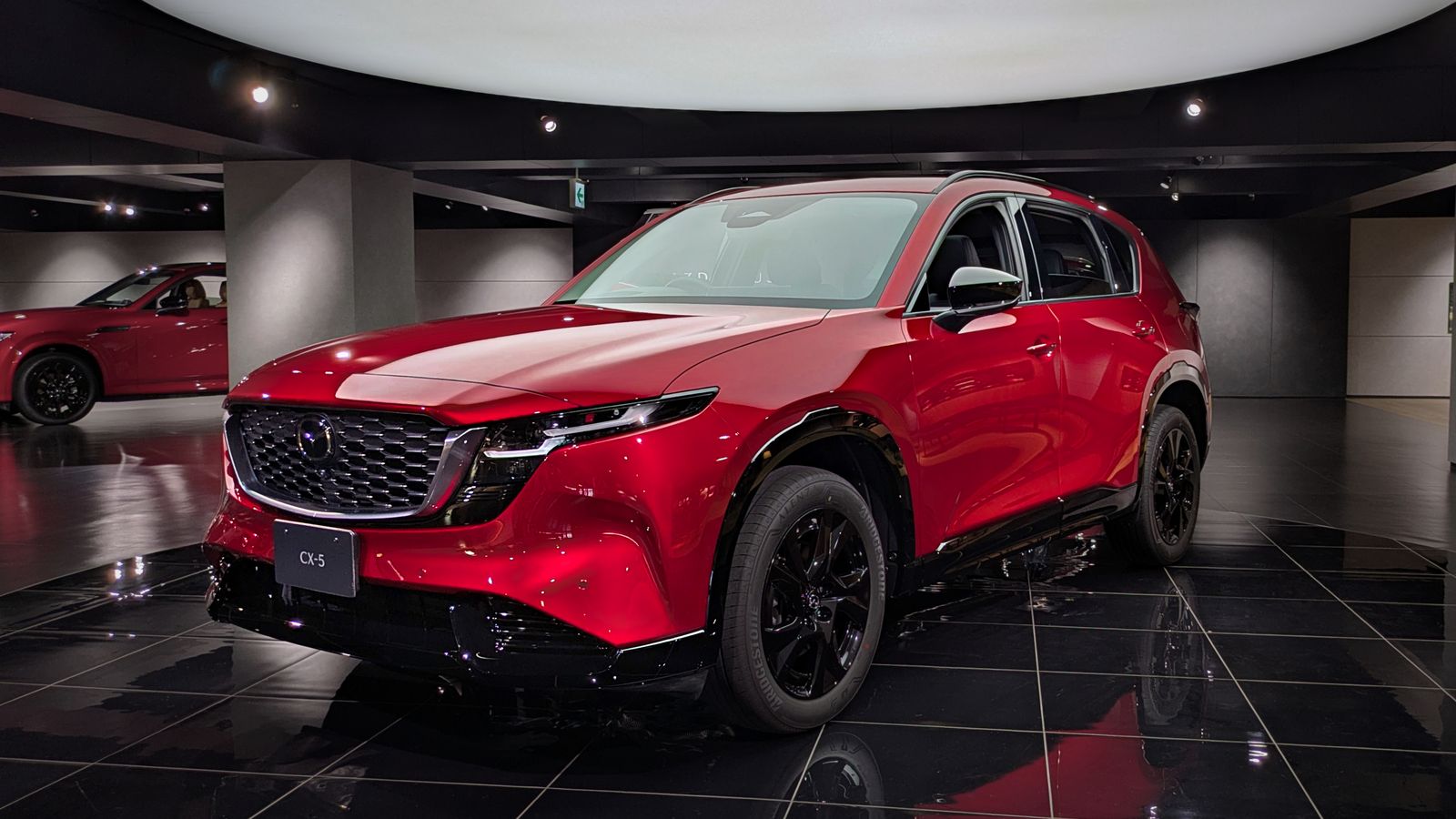
Mazda CX-5 vs Toyota RAV4 compared: the RAV4 is the rational default and the CX-5 is the one people buy with their hearts — this comparison prices both and scores the trade without flinching.
Key Takeaways
- The CX-5 starts $1,910 lower at $29,990 with all-wheel drive included, and its ladder tops out at $38,990 against the RAV4's $43,300.
- Fuel is the gap the CX-5 cannot close: 26 mpg combined against the hybrid RAV4's 42 to 43, worth about $528 a year and $2,640 over five years.
- The RAV4 hauls and tows more: 37.8 cu ft of cargo behind the seats against 33.7, and up to 3,500 lb of towing against the CX-5's 1,500 lb ceiling.
- No hybrid CX-5 exists for 2026 — Mazda's arrives for 2027 — so buying the gas car today means accepting the fuel bill as the price of the drive.
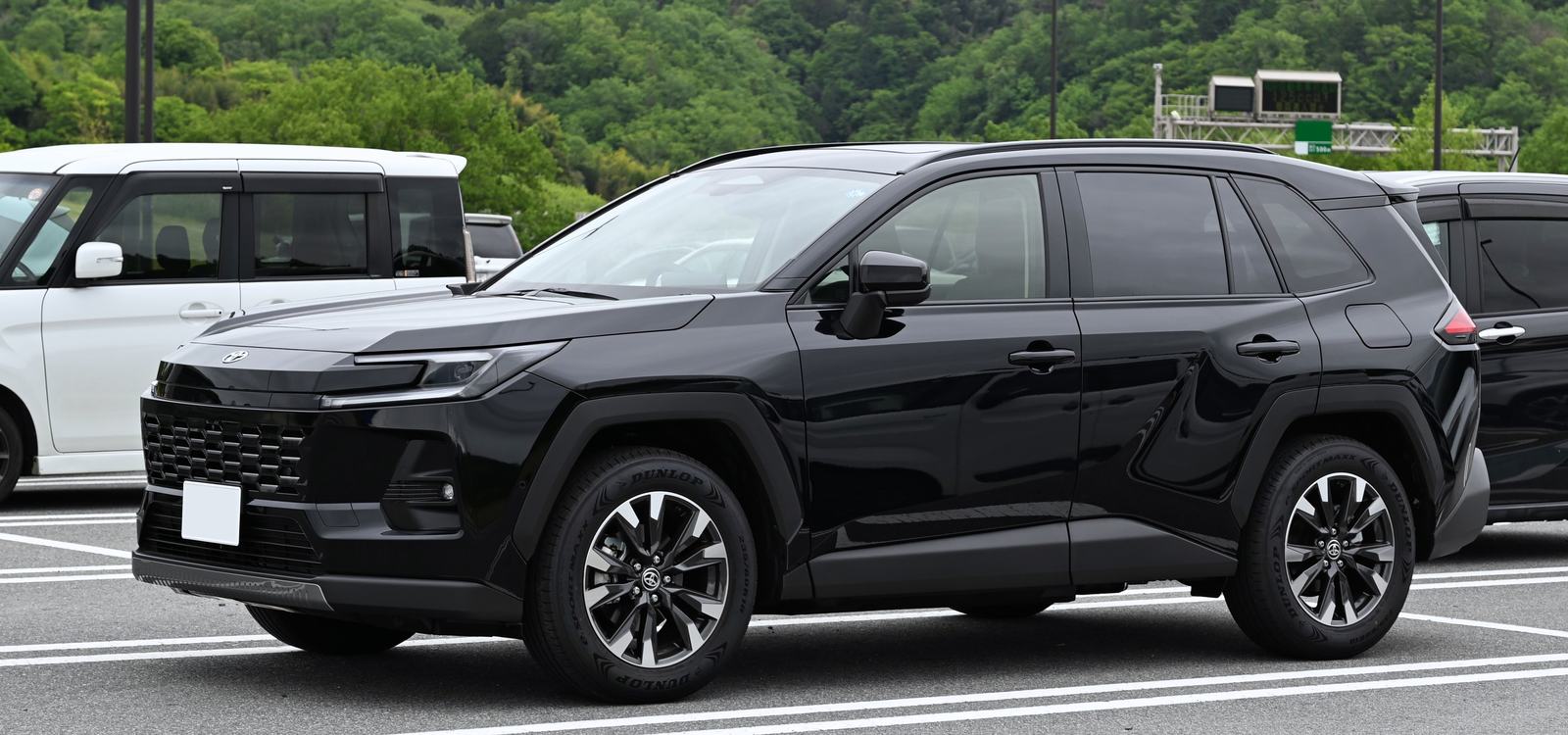
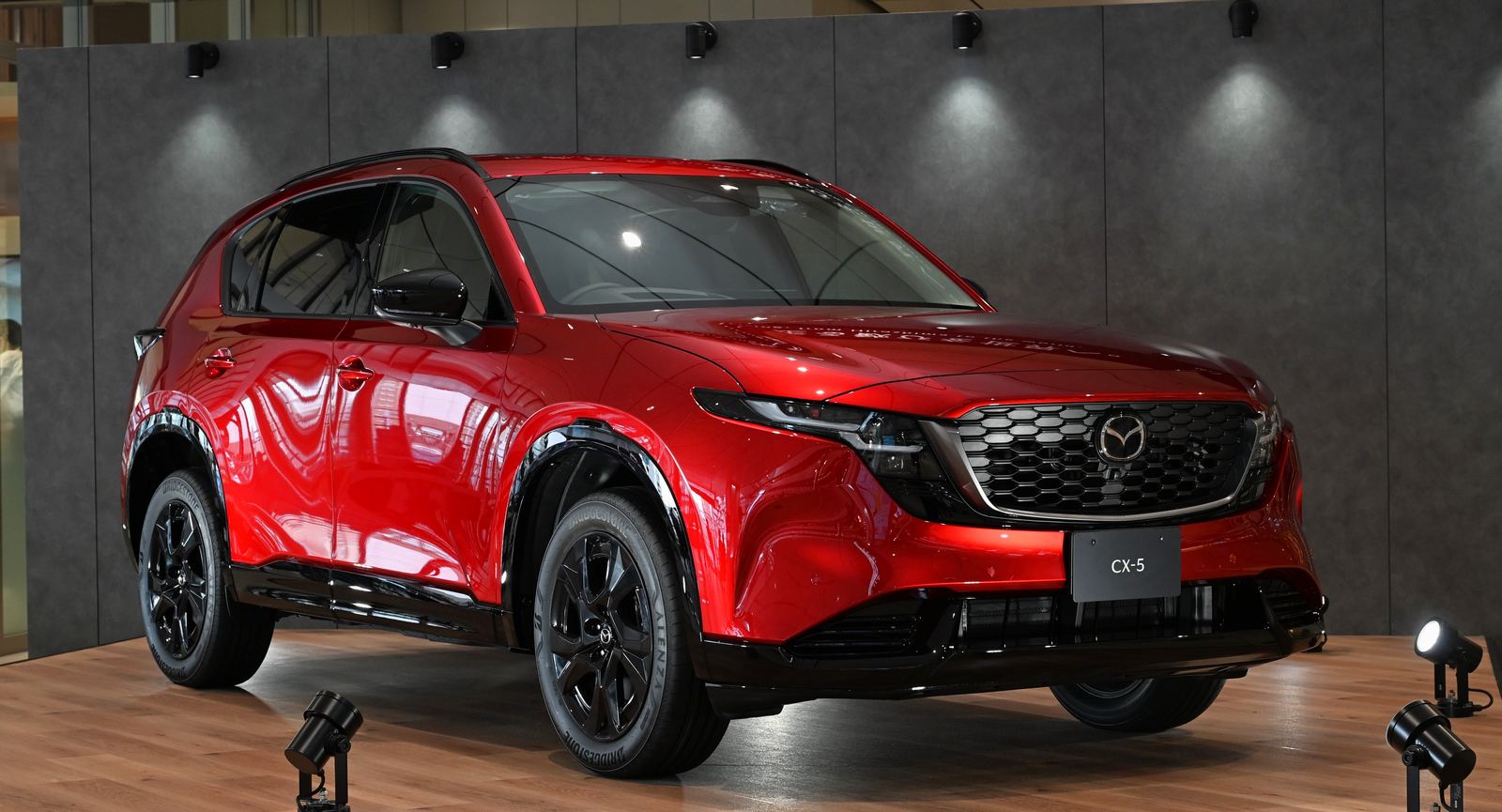
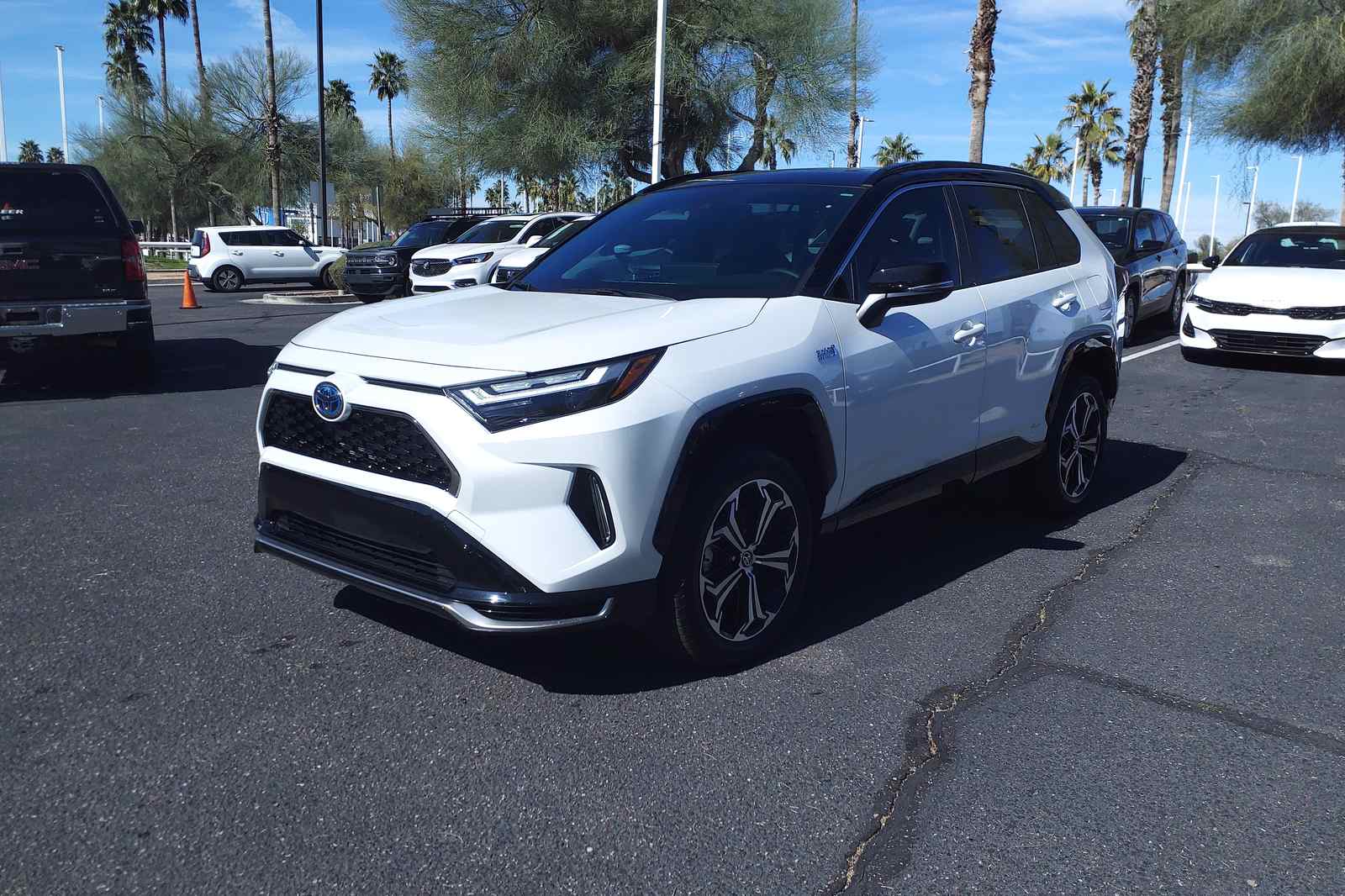
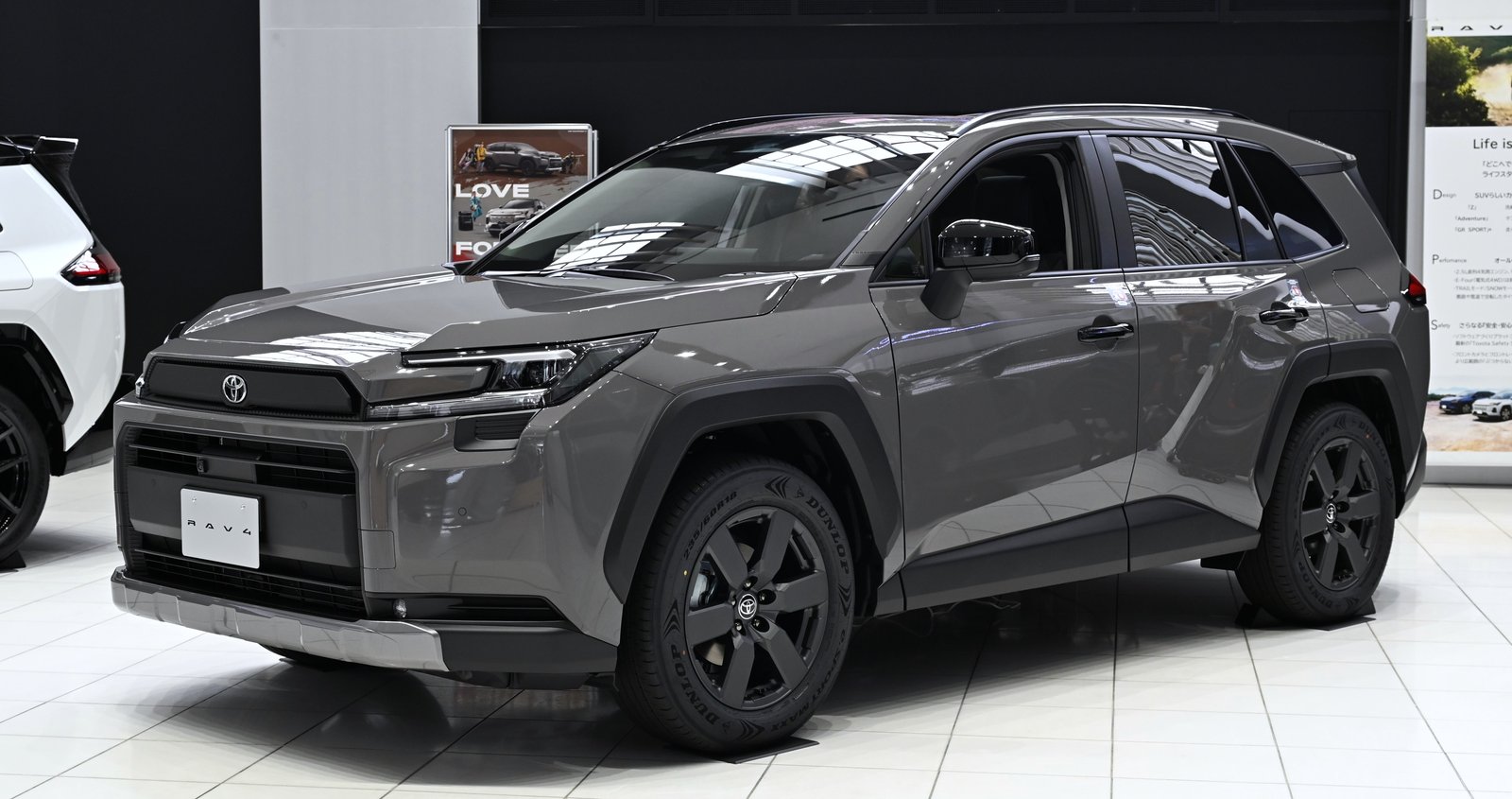
This Mazda CX-5 vs Toyota RAV4 comparison is decided on the numbers and the ownership costs, not the badge — here is how the two stack up. Every compact-SUV shortlist has the same two names pulling in opposite directions. The Toyota RAV4 is the rational default — now hybrid-only, thrifty, and backed by the longest hybrid battery warranty in the class. The Mazda CX-5 is the emotional pick — the one with the steering feel and the cabin that punches above its price — and for 2026 it is an all-new, third-generation car. The catch is that the new CX-5 launches with a gasoline engine only, no hybrid and no turbo, against a RAV4 that made electrification standard. This comparison prices both, runs the fuel math honestly, and scores the trade the way the map of this segment actually looks in 2026. For the dealer-side pricing of each, see our Mazda CX-5 invoice price and Toyota RAV4 invoice price guides.
Mazda CX-5 vs Toyota RAV4 at a Glance
| Item | Mazda CX-5 (2026) | Toyota RAV4 (2026) |
|---|---|---|
| Starting MSRP | $29,990 (AWD included) | $31,900 (FWD hybrid) |
| Powertrains | Gas 2.5L, 187 hp; AWD standard | Hybrid only, 226 hp FWD / 236 hp AWD |
| EPA combined mpg | 26 | 43 (FWD); 42 (AWD) |
| Cargo behind rear seats | 33.7 cu ft | 37.8 cu ft |
| Maximum cargo | 66.5 cu ft | 70.4 cu ft |
| Maximum towing | 1,500 lb | 3,500 lb (AWD) |
| Lineup ceiling | $38,990 | $43,300 (Limited) |
Price: Mazda Starts Lower and Finishes Lower
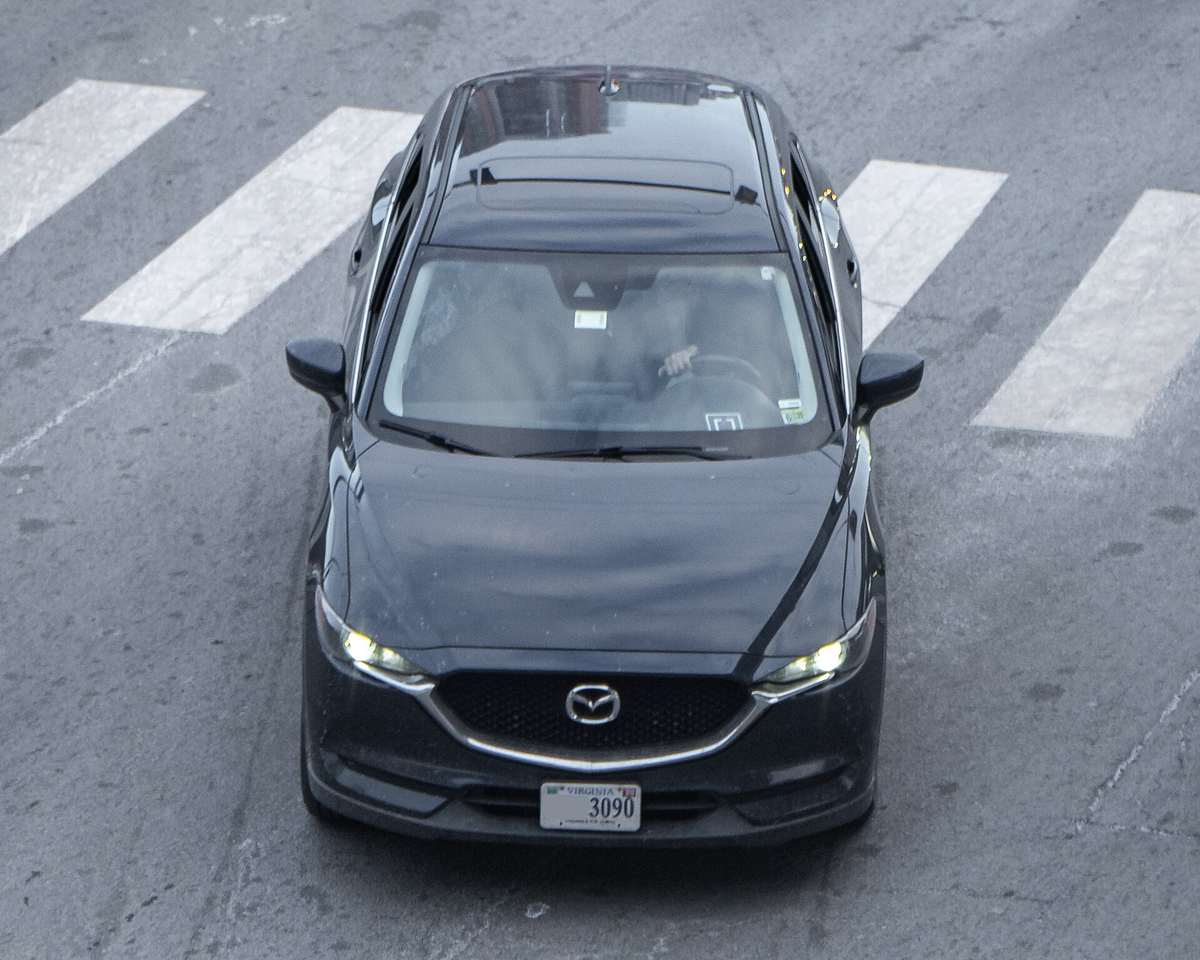
The CX-5 opens at $29,990 for the 2.5 S — $1,910 below the RAV4's $31,900 starting sticker — and that base Mazda already includes all-wheel drive, which the Toyota charges extra to add to its front-drive base car. Mazda's five-trim ladder (2.5 S, Select, Preferred, Premium, Premium Plus) tops out at $38,990, where the RAV4 line is still climbing toward the $43,300 Limited. Destination charges are a wash in the segment's terms: $1,495 for the Mazda, $1,450 for the Toyota.
Where the Mazda CX-5 compared to Toyota RAV4 negotiation differs is in the margin structure. Toyota's hybrid volume machine is discounted carefully and holds value fiercely; Mazda runs thinner margins, and its holdback is genuinely disputed between published charts — 1% of base MSRP on the current chart, 2% on the historical one, a disagreement our CX-5 invoice guide prints rather than resolves. Either way, the CX-5's lower ladder means most buyers are negotiating over a smaller pile of money to begin with.
MPG: The Section the CX-5 Cannot Win
This is the honest center of the comparison. Every 2026 CX-5, on every trim, is EPA-rated at 26 mpg combined. Every 2026 RAV4 is a hybrid: 43 mpg combined in front-wheel drive, 42 in all-wheel drive, 41 in the plushest trims and 38 in the off-road Woodland. There is no CX-5 configuration that closes this gap, because Mazda's own hybrid CX-5 does not arrive until the 2027 model year.
On a typical ownership cycle — 12,000 miles a year at an illustrative $3.00 a gallon — the all-wheel-drive versions most buyers take home separate like this. The CX-5 burns about 462 gallons a year, roughly $1,385 of fuel. The RAV4 AWD burns about 286 gallons, roughly $857. The Toyota saves about $528 a year, roughly $2,640 across five years — enough to erase the CX-5's entire starting-price advantage before the first set of tires. Drive 20,000 miles a year and the gap grows proportionally. Run your own mileage in the calculator; the ranking never changes, only the size of the prize.
Space and Capability: Toyota's Box Beats Mazda's Style
The new CX-5 grew — about 4.5 inches longer than the car it replaces — and its cabin is genuinely roomier than before, with rear legroom just under 40 inches, ahead of the RAV4's 37.8. But cargo, the metric compact-SUV buyers actually live by, still belongs to the Toyota: 37.8 cubic feet behind the rear seats against 33.7, and 70.4 cubic feet folded against 66.5. Towing is not close at all — up to 3,500 pounds for an all-wheel-drive RAV4 against a 1,500-pound ceiling for the CX-5, which rules the Mazda out for buyers pulling anything beyond a small utility trailer.
The Drive: Where the Mazda Earns Its Reputation
Spec sheets say the RAV4 is quicker — 236 hp in all-wheel-drive form against the CX-5's 187 — and it is. But the CX-5's case was never about straight-line numbers. Mazda tunes steering weight, throttle response and body control with a care no other mainstream brand matches, and the new car keeps the formula: a conventional six-speed automatic that shifts when you expect it to, instead of the elastic feel of a hybrid eCVT, and a cabin whose materials and assembly would embarrass SUVs costing $10,000 more. The honest trade is that the old CX-5's turbo engine is gone and nothing at launch replaces its punch — the 187-hp engine is adequate, smooth and unhurried rather than quick. If your commute is a winding road, the Mazda is the better morning. If your life is highway miles and fuel receipts, it is not.
Ownership: Warranties and the Hybrid Question
Toyota's hybrid battery warranty — 10 years or 150,000 miles — is the best in this class, and ToyotaCare adds two years or 25,000 miles of complimentary scheduled maintenance. Mazda counters with simplicity: a gasoline powertrain any independent shop in America can service, no battery to age, and a conventional automatic instead of a hybrid system. Both brands sit at the strong end of the resale market, the RAV4 a clear step ahead — it is the default choice, and defaults hold value. The real ownership question is temporal: the CX-5 a buyer wants in 2028, the hybrid, does not exist yet in 2026. Buying the gas CX-5 today means accepting the fuel bill in this guide as the price of the drive; waiting means a year or more in something else.
Which One Should Your Money Buy?
- Buy the RAV4 if you drive high miles, tow anything over 1,500 pounds, fold the seats for cargo often, or keep vehicles a decade and value the 10-year battery warranty.
- Buy the CX-5 if the drive itself is the point, your mileage is modest enough that the fuel gap stays in the hundreds per year, and you want all-wheel drive included at a sub-$30,000 starting price.
- Either way, negotiate from the invoice, not the sticker, and compare out-the-door quotes on the identical trim — the framework in how to negotiate from invoice price applies to both.
Frequently Asked Questions
Is the Mazda CX-5 a hybrid?
Not for 2026. The third-generation CX-5 launches with a single gasoline powertrain — a 187-hp 2.5L with standard all-wheel drive, rated at 26 mpg combined. Mazda has confirmed a hybrid CX-5 developed in-house for the 2027 model year, but no hybrid is on sale at launch.
How much cheaper is the CX-5 than the RAV4?
At the door, $1,910: the CX-5 starts at $29,990 with all-wheel drive included, the RAV4 at $31,900 in front-wheel drive. At the top of the ladders the gap widens — the CX-5 range ends at $38,990, the RAV4 climbs to $43,300. Fuel reverses part of that over time: the RAV4 saves roughly $528 a year at typical mileage.
Which has more cargo space, the CX-5 or the RAV4?
The RAV4, on both measures: 37.8 cubic feet behind the rear seats against the CX-5's 33.7, and 70.4 cubic feet with the seats folded against 66.5. The CX-5 answers with slightly more rear legroom — just under 40 inches against 37.8.
Which tows more, the CX-5 or the RAV4?
The RAV4, decisively. All-wheel-drive RAV4 models are rated up to 3,500 pounds; the CX-5 is rated at 1,500 pounds across its range. Buyers with a camper or a boat should treat this as a deciding difference, not a tie-breaker.
The Bottom Line on Mazda CX-5 vs Toyota RAV4
The RAV4 is the rational default for a reason: it is cheaper to fuel by roughly $2,640 over five years, carries more, tows more than twice as much, and protects its hybrid battery for a decade. The CX-5 is the better drive and the cheaper purchase, with all- wheel drive standard under $30,000 — and for lower-mileage buyers who feel steering through their hands, that trade is honestly priced. Decide which buyer you are in the Toyota RAV4 vs Mazda CX-5 choice, pull the invoice for that exact trim, and negotiate the out-the-door total. That settles theMazda CX-5 vs Toyota RAV4 question on the evidence: pick the one that fits your life, then negotiate as if the other one were still on the table. Then price theMazda CX-5 or Toyota RAV4 from invoice in our calculator before you sign. Start at MyCarDiscount.com.
Get the number dealers start from.
Invoice, estimated true cost, out-the-door — before any dealer hears your name.