
Lexus Buying Guide: NX, RX, TX and ES Compared in Full
Buying a new Lexus means reliability at firm prices — this guide maps the line from NX to TX and marks the few places where Lexus money actually moves.
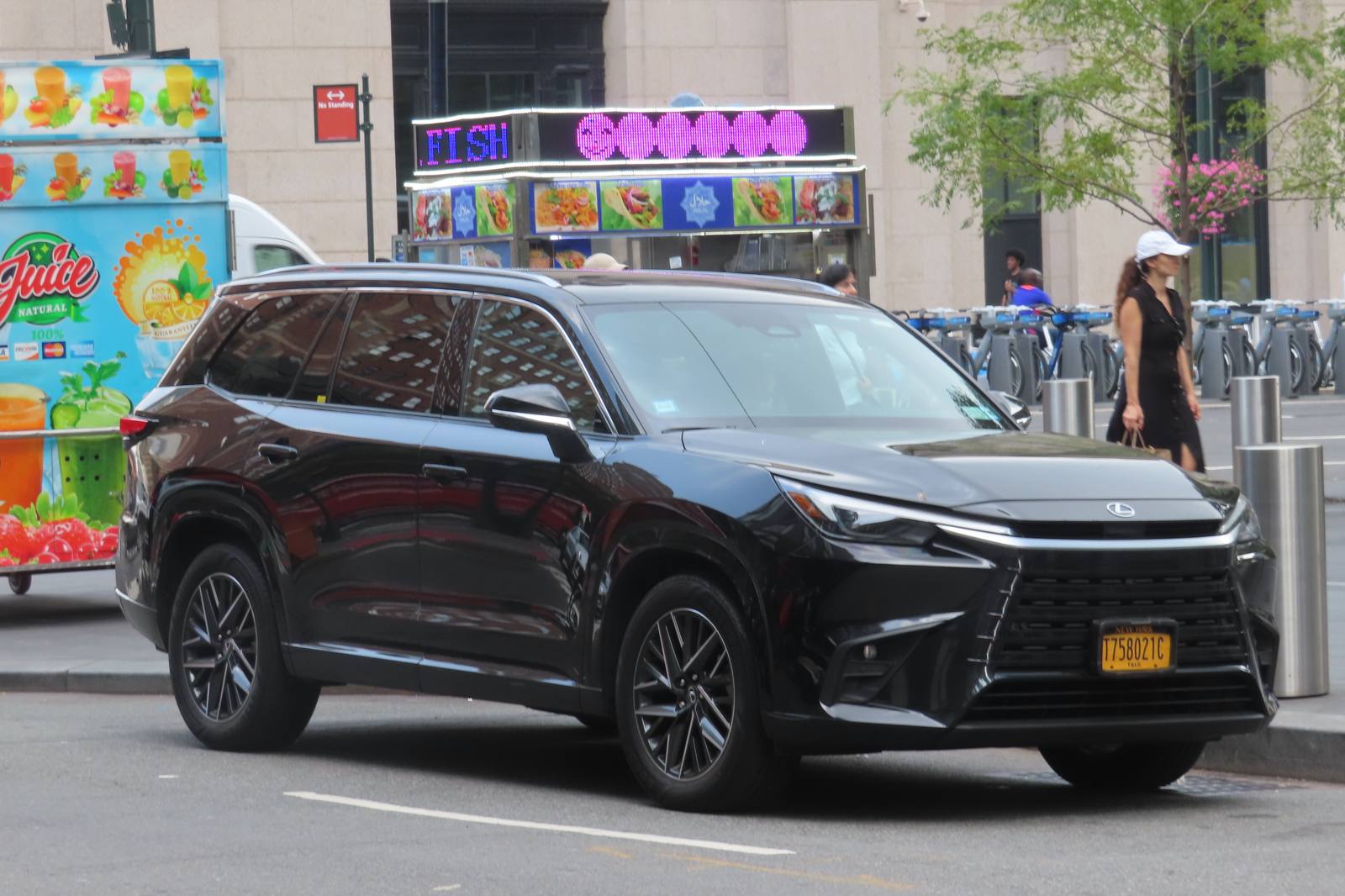
Key Takeaways
- 2026 starting prices with destination included: NX from $46,120, ES from $48,895, RX from $52,775, TX from $58,490 and GX from $68,335.
- Lexus money moves in four places: the invoice spread, holdback of 2% of base MSRP ($1,100 on an illustrative $55,000 base), timing and stock, and a wider search radius.
- The RX is the easiest Lexus to get two dealers bidding on; the GX — body-on-frame, towing up to 9,063 lb — is the one Lexus holds firmest on, especially Overtrail trims.
- The redesigned ES is electrified only: the 350h hybrid returns 46 mpg combined from $51,095, and the battery-electric 350e undercuts it at $48,895.
This Lexus buying guide is organised around one goal: helping you buy the right car at the right price, without the usual dealership detours. Lexus has a reputation that cuts both ways for buyers. The cars are quiet, carefully built and famously durable — and the prices are famously firm. Lexus manages supply tightly, its dealers are rarely sitting on aging inventory, and the brand's customers are loyal enough that most stores never have to chase a sale. None of that means a Lexus cannot be negotiated. It means the negotiation happens in different places than it does at a Chevrolet store: in the spread between sticker and invoice (smaller here, but real), in holdback, in model-year leftovers, and in the gap between a hot hybrid trim and the gas version sitting next to it. This guide maps the five Lexus lines most buyers cross-shop — NX, RX, TX, GX and ES — and marks where the money actually moves on each. For the dealer-side numbers behind every model below, start with our Lexus invoice prices guide.
Lexus Buying Guide at a Glance
| Model | Starts at (MSRP, destination included) | What it is | Powertrains |
|---|---|---|---|
| NX | $46,120 | Compact SUV, five seats | Gas turbo, hybrid, plug-in hybrid |
| ES | $48,895 | Midsize sedan, five seats | Hybrid, battery-electric |
| RX | $52,775 | Midsize two-row SUV, five seats | Gas turbo, hybrid, plug-in hybrid |
| TX | $58,490 | Three-row SUV, six or seven seats | Gas turbo, hybrid, plug-in hybrid |
| GX | $68,335 | Body-on-frame SUV, five or seven seats | Twin-turbo V6 |
NX: The Entry Point That Isn't a Compromise
The NX is the smallest Lexus SUV and the cheapest way into the brand, and it does not feel like a penalty box. Three powertrains share the shell: the NX 350's 2.4-liter turbo makes 275 horsepower, the NX 350h hybrid returns up to 40 mpg combined, and the NX 450h+ plug-in hybrid combines 302 horsepower with a 37-mile EPA electric range. The buying note that matters is the spread between those versions. The hybrid's fuel savings are real, but the plug-in carries a steep premium over the 350h for a short electric range — run your own commute math before paying it. Discounts on the NX track demand by powertrain: the gas 350 is usually the easiest version to deal on, the 450h+ the hardest. Read this section as aLexus NX buying guidein miniature — the three powertrains and where each one deals.
RX: The Franchise
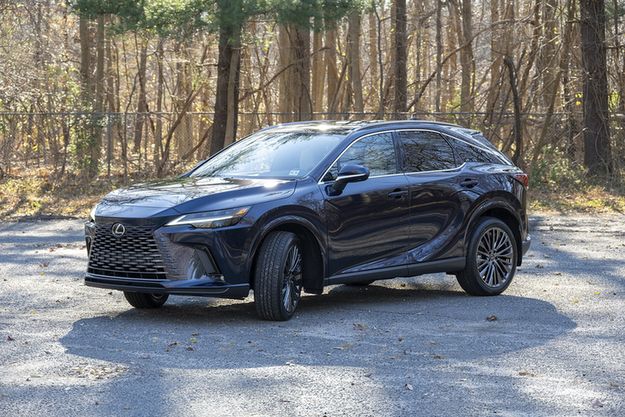
The RX is the best-selling luxury SUV in America and the model Lexus pricing discipline is built around. It is a two-row, five-seat midsize SUV offered as the gas RX 350 (275 horsepower, towing up to 3,500 pounds), the RX 350h hybrid at up to 37 mpg combined, the stronger RX 500h, and the RX 450h+ plug-in hybrid. Because the RX is the volume line, it is also where anyone buying a new Lexus has the most leverage: more Lexus dealers stock more RXs in more configurations than any other model in this guide, which means more chances to make two stores compete for the same build. The leverage is modest by industry standards — expect hundreds to low thousands off a well-chosen in-stock car, not the five-figure discounts advertised on domestic trucks — but it is the widest door Lexus leaves open.
TX: The Family Hauler
The TX exists because the RX's missing third row sent families to rivals. It seats six or seven in a genuinely usable three-row cabin, starts under $60,000, and spans the TX 350 (275 horsepower), the TX 500h hybrid (366 horsepower) and the TX 550h+ plug-in hybrid (404 horsepower). Two money notes. First, the second-row configuration — bench or captain's chairs — changes both price and availability, so fix that choice before you shop. Second, the TX's closest competitor is inside its own family: Toyota's Grand Highlander shares its bones at a much lower price, and knowing that figure cold is the best argument you have at a Lexus desk.
GX: The One They Hold Firmest On
The GX is the outlier: a body-on-frame SUV with a 349-horsepower twin-turbo V6, full-time four-wheel drive and towing up to 9,063 pounds in Premium trim. It is the Lexus for buyers who would otherwise shop Land Rovers and high-trim Broncos, and it sells to a small, motivated audience that does not cross-shop on price. Expect the least flexibility of any model in this guide, especially on the Overtrail trims. If a GX is the goal, the realistic savings moves are timing (model-year changeover), a demo or service loaner, and shopping a wide radius — not grinding the last store down.
ES: The Sedan, Now Electrified Only
The ES is the line's sedan, redesigned for 2026 as an eighth-generation car with no gasoline-only version at all: the ES 350h hybrid (46 mpg combined) starts at $51,095, and the battery-electric ES 350e undercuts it at $48,895, with the dual-motor ES 500e above. Sedans are a shrinking segment, which quietly helps ES buyers — Lexus still prices the ES to sell against German sedans, and a hybrid sedan that undercuts most rivals on fuel and price is the value play of this entire guide. Buyers who want the old formula — a quiet, efficient, front-drive luxury sedan — get it here with the best efficiency Lexus has ever put in one.
Where Lexus Money Actually Moves
Four places, in order of reliability. First, the invoice spread. Lexus invoice sits closer to sticker than most brands', but it exists on every model — our Lexus invoice prices page maps it model by model. Second, holdback. Lexus pays dealers holdback of 2% of base MSRP, so on an illustrative $55,000 base MSRP the dealer still receives $1,100 from Lexus after selling at invoice — money a store can dip into to close a deal it wants. Third, timing and stock. Outgoing model-year cars, slow colors and cars that have sat are where Lexus stores flex; a hybrid in high demand will not move, and the identical gas trim beside it might. Fourth, geography. Lexus dealers are fewer and farther apart than Toyota or Chevrolet stores, so expanding your search radius to the next metro genuinely changes the competition. What does not move: the destination charge, factory-set fees, and the price of a freshly arrived, high-demand hybrid. Spend your energy where the money is and read our guide to negotiating from invoice price before you make the first call.
Frequently Asked Questions
Does Lexus negotiate on price?
Yes — within limits set by the brand's tight supply. The invoice-to-MSRP spread is thinner than at most rivals, and high-demand hybrids may sell at sticker, but in-stock gas models, leftovers and demos regularly transact below MSRP. The two numbers to know before you start are the model's invoice price and its 2%-of-base-MSRP holdback.
Which Lexus is the best value?
The ES 350h, on the numbers: a redesigned luxury sedan at 46 mpg combined starting at $51,095, in a segment rivals are abandoning. Among the SUVs, the NX 350h pairs 40 mpg with the lowest SUV entry price in the line. The RX is the best value only in the sense that it is the easiest Lexus to get two dealers bidding on.
Is the Lexus hybrid worth the premium over the gas model?
Usually, on fuel alone it is a long payback — the hybrid premiums here buy efficiency in the high-30s to mid-40s mpg against mid-20s for the gas cars, which takes years of average driving to recover. Buy the hybrid for the smoother, quieter drive and stronger resale as much as for the pump math, and never pay a markup for one: at that point the economics are gone entirely.
Why are Lexus discounts smaller than other brands'?
Supply discipline. Lexus allocates conservatively, dealers rarely drown in aging stock, and reliability-driven resale values keep owners from needing big incentives to trade. The discount is small because the pressure to discount is small — which is also why the realistic levers are invoice spread, holdback, timing and dealer competition rather than headline rebates.
The Bottom Line on Lexus Buying Guide
Pick the model by the job — NX for the compact all-rounder, RX for the volume sweet spot, TX for three rows, GX for towing and trail, ES for the efficient sedan — then negotiate where Lexus actually leaves room: the invoice spread, the 2% holdback behind it, leftover and in-stock timing, and competition between stores. A Lexus car buying guide earns its keep here: pull the dealer-side figures for your model before you talk to anyone. That is this Lexus buying guide in full — the lineup, the prices and the pitfalls, in one place. Start at MyCarDiscount.com.

Get the number dealers start from.
Invoice, estimated true cost, out-the-door — before any dealer hears your name.