
Mercedes-Benz Invoice Prices: GLC, GLE, C-Class and E-Class
Mercedes-Benz invoice price, model by model: Mercedes invented the segment everyone else prices against — this page shows the invoice spread on its four volume models and how its margin structure differs from BMW's.
Key Takeaways
- Mercedes-Benz holdback is genuinely disputed: the current chart lists 1% of total MSRP, 2008-era sources list 3% — negotiate as if the cushion sits at the thin end.
- On an illustrative $70,000 total MSRP, holdback across the range returns $700 (at 1%) to $2,100 (at 3%), so a quote near invoice on a volume Mercedes is genuinely competitive.
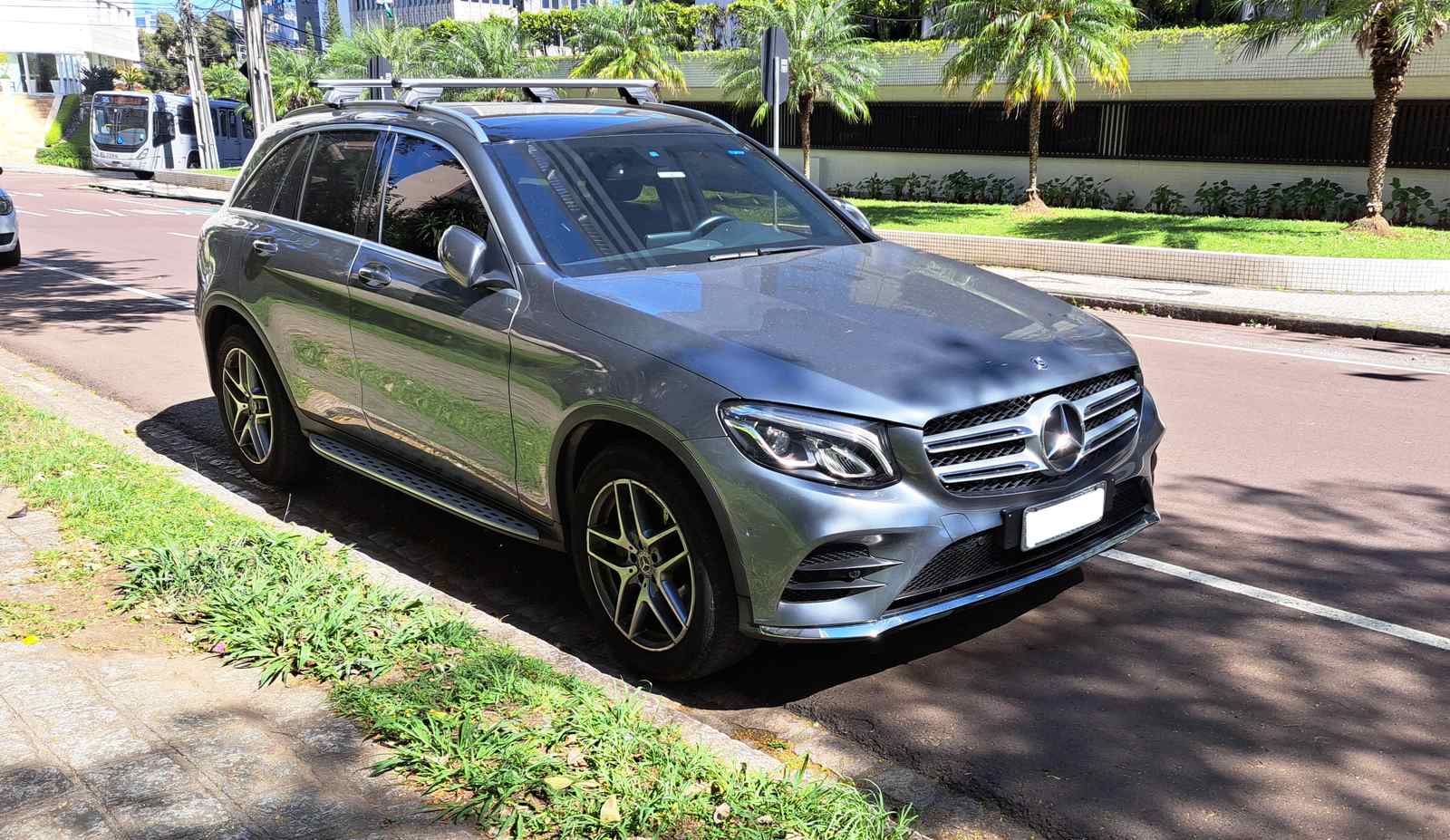
- 2026 starting MSRPs: GLC from $49,550, C-Class from $49,650, GLE from $62,250 and E-Class from $63,900, before destination.
- Mercedes option packages carry richer margins than the base car, so the exact build's invoice — not the model's headline spread — is the only number worth negotiating from.
This guide is built around Mercedes-Benz invoice prices — the figures behind the sticker, and how to use them when you negotiate. Mercedes-Benz is the brand that defined the luxury segment, and its pricing structure carries that seniority: the invoice price — what the dealer paid the factory for the car as configured — sits below the sticker by a margin that is real but disciplined, and the holdback underneath it is the most disputed number we track. The published charts cannot agree on Mercedes-Benz holdback: the current chart says 1% of total MSRP, sources from the late 2000s say 3%, and neither can be proven from public material. This guide prices the four volume Mercedes models — GLC, GLE, C-Class and E-Class — prints the holdback as the honest range it is, and shows how the structure differs from BMW's, where there is no holdback at all. Start with our Mercedes-Benz buying guide for the model-by-model picture, then pull the exact figure for your build on the invoice pricing page.
Mercedes-Benz Invoice Prices at a Glance
| Item | What Mercedes-Benz buyers should know |
|---|---|
| Starting MSRPs (2026) | C-Class from $49,650 · GLC from $49,550 · GLE from $62,250 · E-Class from $63,900, before destination |
| Holdback | 1–3% of total MSRP — sources conflict; the current chart says 1%, older sources 3% |
| Margin character | Disciplined spread, plus some of the most expensive option lists in the industry |
| Destination charge | Set by Mercedes-Benz USA, the same at every dealer for the same model, in both MSRP and invoice |
| Where quotes diverge | Options and packages — two "same model" cars can carry very different invoices |
| Best first step | Price the exact build — a Mercedes invoice is only meaningful against its option list |
Mercedes-Benz Invoice Prices by Model
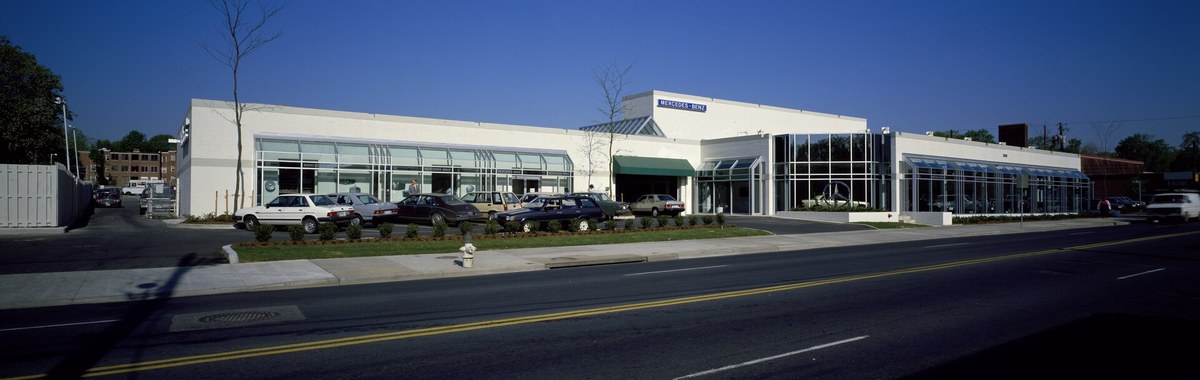
- GLC — the compact SUV and the brand's volume seller, from $49,550 in GLC 300 form with a 2.0L mild-hybrid powertrain, plus a plug-in hybrid and AMG variants above it. It is the Mercedes most often cross-shopped against the BMW X3, and its inventory depth makes it the model where competing dealer quotes diverge most — the natural place to work the Mercedes-Benz invoice price hardest.
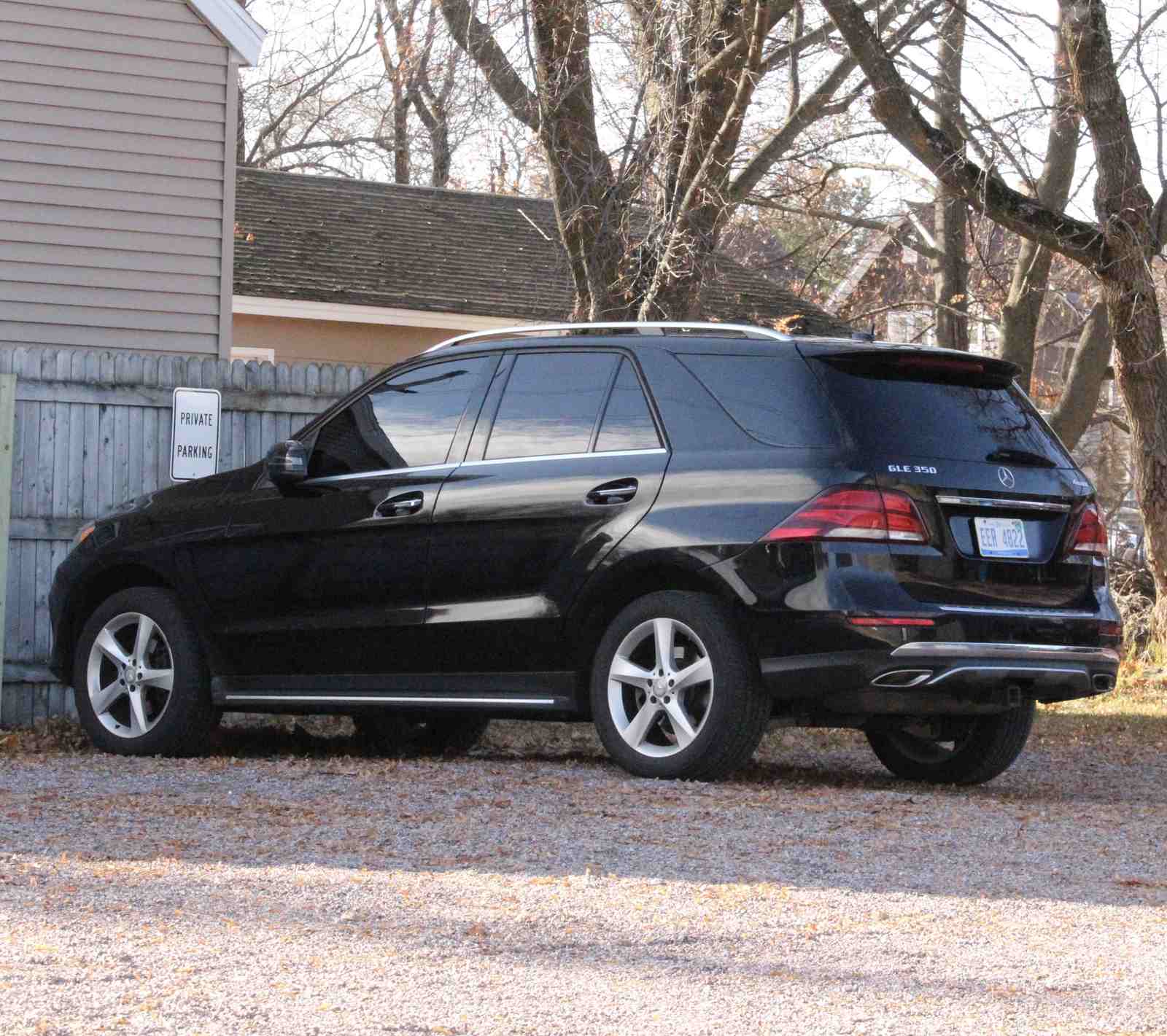
- GLE — the midsize SUV, from $62,250 in GLE 350 form, with six-cylinder and V8-powered variants and a coupe body style above it. The GLE's ladder is long and its option book is deep, so the spread on a well-optioned example is measured in thousands; per-build invoice research returns more here than on any other model in this group.
- C-Class — the compact sedan, from $49,650, with 255 hp from its mild-hybrid four-cylinder. The C-Class is the sedan most exposed to cross-shopping pressure from the BMW 3 Series, and that rivalry is the buyer's lever: two German brands, similar money, and dealers who know the customer has a genuine alternative across the street.
- E-Class — the midsize sedan, from $63,900 in E 350 form at 255 hp, with a plug-in hybrid AMG at the top of the line. E-Class buyers skew loyal and E-Class inventory skews thin, which together compress discounts; the wagon variant is a niche where patient buyers occasionally find a store motivated to move a slow unit.
Holdback: The 1–3% Range, Printed Honestly
Holdback is the amount the manufacturer returns to the dealer after a vehicle sells, and it is the layer of dealer money beneath the invoice. Our dealer holdback by make table tracks it brand by brand, and Mercedes-Benz is its most contested entry: the current chart lists 1% of total MSRP, 2008-era sources list 3% of total MSRP, and a genuine policy change across that span is plausible but unprovable from public sources. We print the 1–3% range rather than crown a winner, and our holdback explainer shows how the basis works.
Illustrative example — not a live price: on a hypothetical Mercedes-Benz with a total MSRP of $70,000, holdback across the printed range returns between $700 (at 1%) and $2,100 (at 3%) to the dealer after the sale. The negotiating consequence matters more than the exact figure: because the current chart says 1%, a buyer should assume the cushion is at the thin end — closer to Audi's and BMW's no-cushion arithmetic than to a domestic brand's 3% pool. A quote near invoice on a volume Mercedes is a genuinely competitive deal, and demands built on an assumed 3% holdback pool will stall against a store whose real cushion is a third of that.
How Mercedes Margin Differs From BMW's
The natural comparison is across the street. BMW, per our BMW invoice prices page and the holdback table, runs no classic holdback program: its dealers work from the invoice-to-MSRP spread and manufacturer bonus structures. Mercedes keeps a holdback — disputed in size, but present in the charts — which means a Mercedes dealer's true cost sits slightly further below invoice than a BMW dealer's on a comparably priced car. The second difference is the option book. Mercedes sells equipment in packages and stand-alone options at margins richer than the base car's, so the effective spread on a heavily optioned GLE or E-Class is wider than the model's headline spread suggests — and the invoice on the exact build, not the model, is the only number worth negotiating from. Run the full build through the calculator and compare out-the-door totals between stores.
Frequently Asked Questions
What is Mercedes-Benz dealer holdback?
It is genuinely disputed. The current published chart lists 1% of total MSRP; sources from the late 2000s list 3%. We print the 1–3% range and advise buyers to negotiate as if the cushion sits at the thin end — near invoice pricing on a Mercedes leaves the dealer far less hidden room than the same headline would at a 3% domestic brand.
Are Mercedes-Benz invoice prices close to MSRP?
Relatively close on the base car, wider as options stack. Mercedes' percentage spread on the vehicle itself is disciplined, but its option packages carry richer margins, so a heavily optioned GLE can carry thousands more negotiable spread than a base GLC. The model matters less than the build.
Which Mercedes has the most negotiation room?
The GLC, on volume logic: it is the best-seller, dealers stock it in depth, and the BMW X3 across the street gives every buyer a credible walk-away. The GLE carries the largest dollar spread per vehicle when optioned. The E-Class, with thinner inventory and a loyal buyer base, is typically the firmest of the four.
Do Mercedes-Benz invoice prices include destination?
Yes. The destination charge is set by Mercedes-Benz USA, is identical at every dealer for the same model, and appears in both the MSRP and the invoice. It is not dealer margin; negotiate the selling price, the add-ons and the financing instead, using the method in how to negotiate from invoice price.
The Bottom Line on Mercedes-Benz Invoice Prices
Mercedes rewards precision. The spread is disciplined, the holdback is a range rather than a promise — plan on 1% of total MSRP, not 3% — and the real money hides in the option book, which is why the exact build's invoice matters more here than at almost any other brand. Pull the Mercedes-Benz GLC invoice price for your GLC — and the same figure for your GLE, C-Class or E-Class — check the current incentives against the deal, and make competing dealers bid on the same configuration. With Mercedes-Benz invoice prices in hand, you are no longer negotiating blind — start from the dealer's number, not the sticker. Start at MyCarDiscount.com.
Get the number dealers start from.
Invoice, estimated true cost, out-the-door — before any dealer hears your name.