
Hyundai Buying Guide: Value, Warranty and Best Models
The Hyundai car buying guide short version: keen prices, generous equipment and the longest mainstream warranty in the business — the buyer's job is picking the right trim, then verifying the deal matches the brochure.
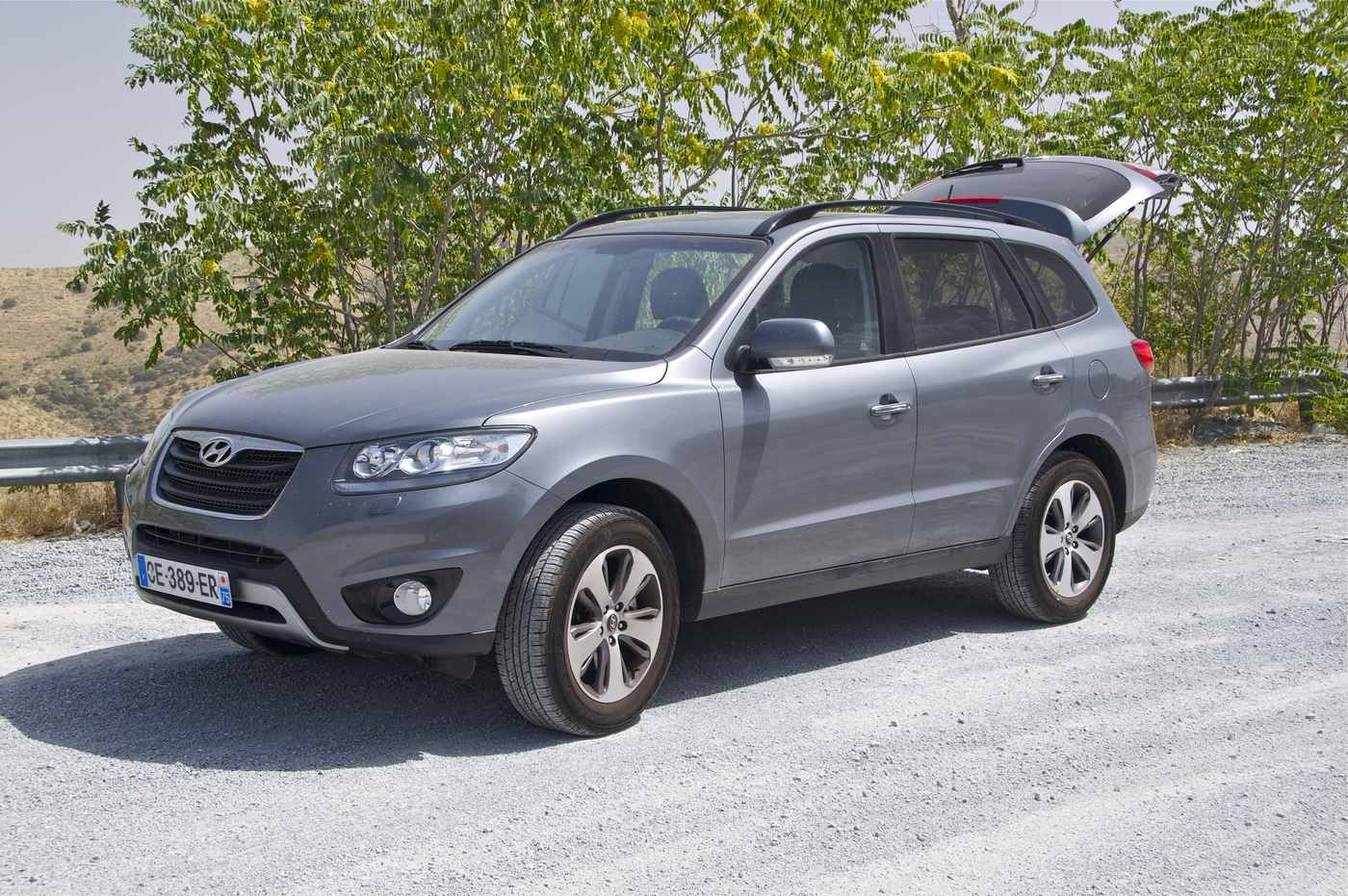
A Hyundai buying guide has to start with the brand's actual pitch, because Hyundai does not sell the way most rivals do. The cars are priced keenly, the equipment lists are generous at every trim, and the warranty is the longest mainstream coverage in the industry. Buyers cross-shop Hyundai against Toyota, Honda and Kia, and the Hyundai usually wins the spreadsheet on features per trim — which means your job as a buyer is less about finding a hidden discount and more about picking the right model and trim, then verifying the deal is as good as the brochure suggests.
This guide carries no per-model prices and no promised discounts. It maps the current lineup, explains the warranty properly (including the parts that changed recently), is honest about the one dealer-cost figure for Hyundai that published sources disagree on, and shows you where negotiation room at this brand actually comes from. Judge every quote on its full out-the-door total.
Hyundai buying guide: the lineup map
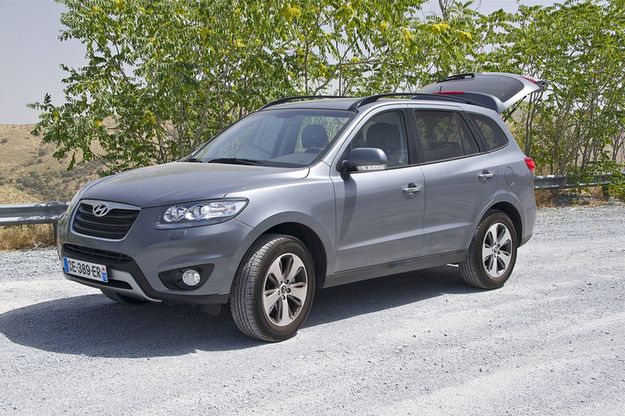
The range is broad but sorts cleanly. This table is a map, not a price list.
| Segment | Key models | Who they suit | Discount character |
|---|---|---|---|
| Cars | Elantra, Sonata | Commuters and value-first sedan buyers; both offer hybrid versions | Competitive segment, so programs appear — but margins start thin |
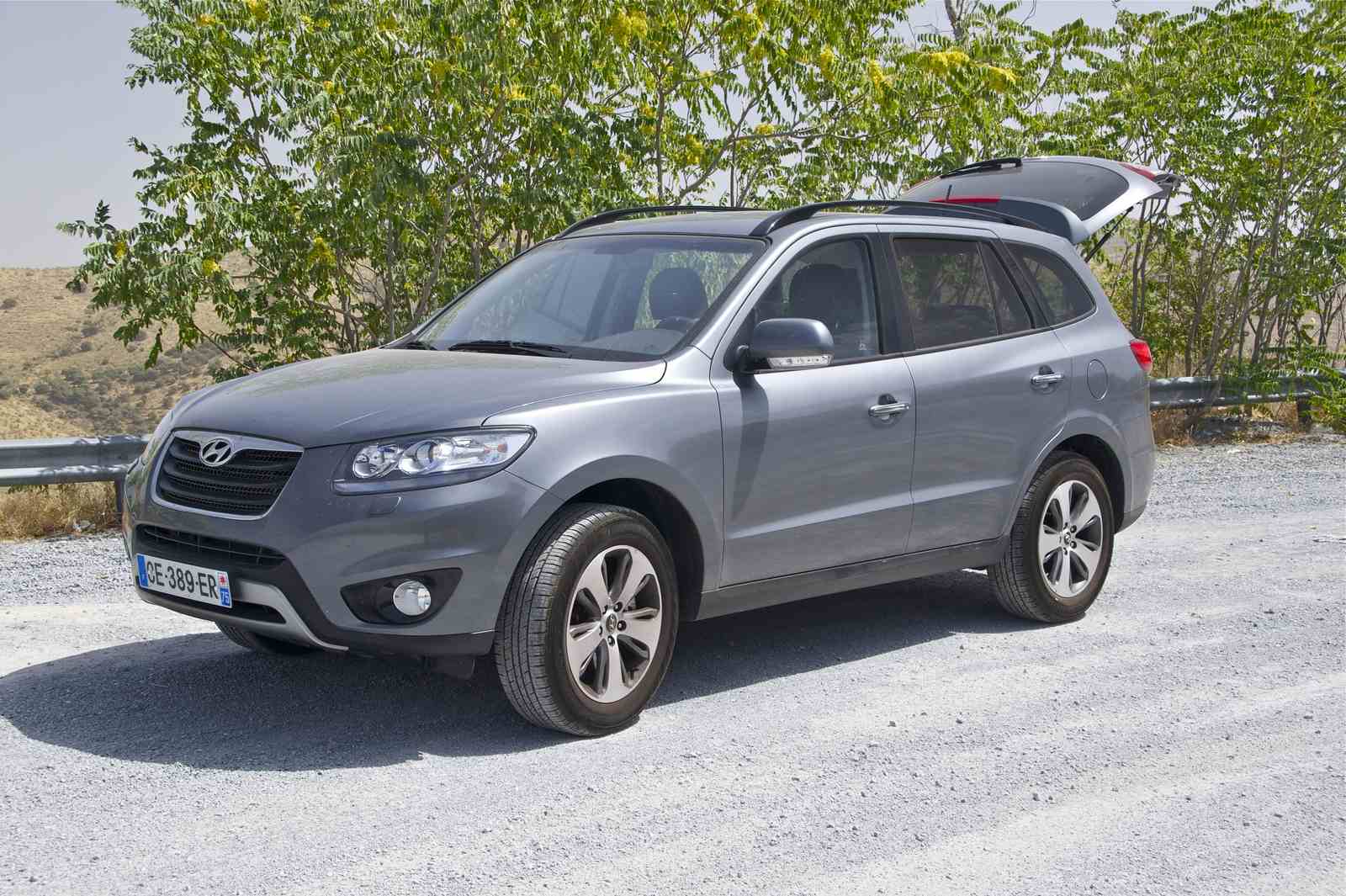
| SUVs and crossovers | Venue, Kona, Tucson, Santa Fe, Palisade | The heart of the range, from first-car small to three-row family | Tucson and Santa Fe carry the volume and the most consistent support |
| Pickup | Santa Cruz | Buyers wanting SUV comfort with an open bed for light duty | Niche and lower-volume; pricing follows local stock more than national programs |
| Electric | IONIQ 5, IONIQ 9, IONIQ 6 N (limited; regular IONIQ 6 ended after 2025, Kona Electric skips 2026) | EV buyers from performance sedan to three-row SUV | Program-driven and changeable; compare lease and purchase treatment separately |
Notes for 2025–2026 shoppers: the Tucson offers gasoline, hybrid and plug-in hybrid power, and the Santa Fe and Palisade both offer hybrids. The IONIQ 9 is the brand's three-row electric flagship, sitting above the IONIQ 5 crossover. Two electric nameplates carry an end-date anyone buying a new Hyundai should know: the regular IONIQ 6 sedan ended after the 2025 model year — only the limited-production IONIQ 6 N continues for 2026 — and the Kona Electric skips the 2026 model year entirely, selling through remaining 2025 stock ahead of a planned 2027 return. At the sporty edge, the Elantra N is a genuine performance model rather than a trim of badges. Our companion post on Hyundai invoice prices covers the invoice structure behind these models.
The warranty is the value story
Hyundai markets its coverage as America's Best Warranty, and the core terms earn the slogan. Every new Hyundai carries a 5-year/60,000-mile new vehicle limited warranty — two years longer than the 3-year/36,000-mile basic coverage most rivals offer — and a 10-year/100,000-mile powertrain limited warranty. Hybrid and electric models add a 10-year/100,000-mile battery warranty.
Three details separate informed buyers from brochure readers:
- The 10-year powertrain term is for the original owner. If the car changes hands, powertrain coverage typically converts to 5 years/60,000 miles for the next owner. If you plan to sell within a few years, do not price the long warranty into your resale expectations at full value.
- Free maintenance ended. Hyundai's complimentary maintenance program covered 2020–2025 models for 3 years/36,000 miles; Hyundai ended it for the 2026 model year. A leftover 2025 and a new 2026 are not the same ownership proposition, and a dealer presenting prepaid maintenance as a free extra on a 2026 is selling you a product, not a factory benefit.
- Long coverage changes the service math. With powertrain cover to 10 years, the case for an expensive dealer-sold extended warranty on a new Hyundai is weaker than at most brands. Compare any such offer against what the factory already covers before paying for overlap.
How Hyundai pricing and holdback work
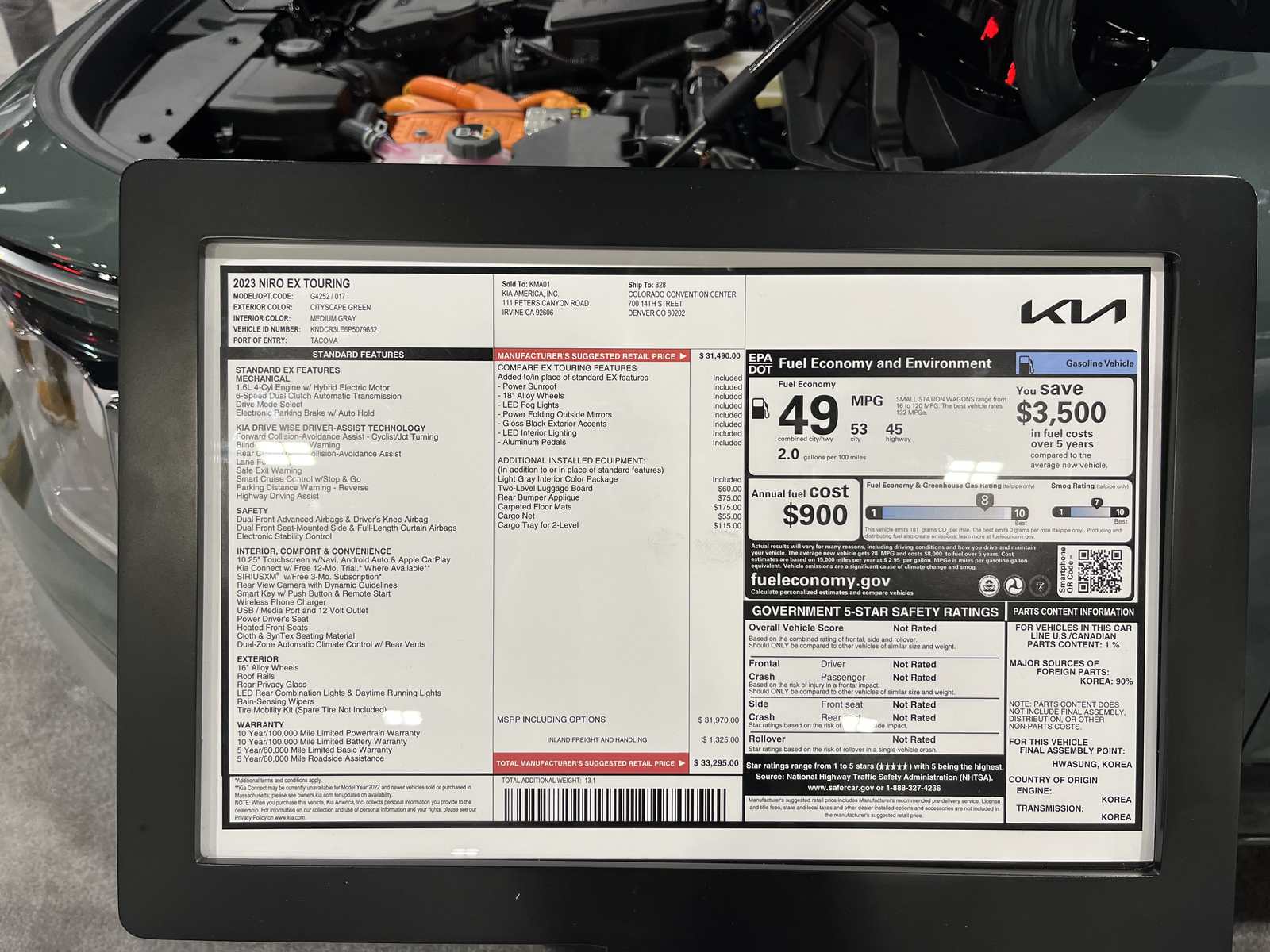
A Hyundai's sticker is built from base MSRP, factory options and the destination charge, which Hyundai sets and which appears in both MSRP and invoice. The dealer's invoice sits below the sticker, and below invoice sit incentives and holdback. Our hyundai buyer guide invoice pricing page shows the live figure for your exact trim, and msrp vs invoice price explains the structure in full.
Holdback needs an honest paragraph at this brand, because published sources disagree about Hyundai's figure — on both the percentage and what it is calculated from. The newest holdback chart puts Hyundai at 3% of total MSRP. A second recent source puts it at 3% of the invoice price instead. Guides from 2008 put it at roughly 2%. Hyundai does not publish the figure, so there is no factory source to settle it. We therefore show Hyundai's estimated true cost as a wider range than most brands, and you should treat any single tidy holdback percentage quoted for Hyundai — here or anywhere — with suspicion. The mechanics of holdback itself are covered in what is dealer holdback.
Where discounts hide: patterns, not promises
Hyundai prices keenly from the factory, so the negotiation pattern differs from discount-led brands:
- Trim choice is the discount. The step from SE to SEL trims typically adds the equipment most buyers actually want at a smaller increment than the equivalent step at rival brands. Choosing the right trim saves more than grinding the wrong one.
- Hybrid availability. Where a hybrid version exists, its pricing behavior follows its own supply; popular hybrid trims can hold firm while gasoline versions of the same model carry support.
- Program support on volume SUVs. Tucson and Santa Fe are Hyundai's volume battleground against RAV4 and CR-V, so factory APR and lease support most often appears here, changing monthly by region. Check current offers on the specific model before assuming none exist — and read new car rebates and incentives on how to verify eligibility.
- Carryover stock. As at every brand, outgoing model-year cars on the lot when the new year arrives are where a dealer's flexibility concentrates.
Your buying playbook
- Shortlist by segment from the map above, then fix the trim — at Hyundai, trim choice is where value is won or lost. Our Hyundai make page lists the range.
- Pull the invoice for that trim on the invoice pricing tool and read the Hyundai invoice prices companion post for the brand context, including the holdback dispute.
- Factor the warranty into the comparison properly: original-owner powertrain cover to 10 years/100,000 miles is a real advantage if you keep cars long, and worth little if you trade every three years.
- Build the out-the-door total in the hyundai buying tips calculator, then compare quotes from up to three named dealers on that figure. If you are also considering the sister brand, our Kia buying guide covers the same segments from Kia's side.
Frequently asked questions
What is Hyundai's warranty, exactly?
A 5-year/60,000-mile new vehicle limited warranty and a 10-year/100,000-mile powertrain limited warranty for the original owner, plus a 10-year/100,000-mile battery warranty on hybrids and EVs. The long powertrain term reduces to 5 years/60,000 miles for subsequent owners. Confirm the terms for your model year on Hyundai's site.
Do new Hyundais still come with free maintenance?
Not on 2026 models. Complimentary maintenance for 3 years/36,000 miles covered model years 2020–2025; Hyundai ended the program for 2026. A 2025 car on the lot may still carry it — check the specific vehicle's paperwork, and do not pay for a "free maintenance" extra on a 2026.
What is Hyundai's holdback percentage?
Published sources conflict, and Hyundai does not publish the figure. The newest chart says 3% of total MSRP; another recent source says 3% of invoice; older guides say about 2%. Anyone quoting one clean number as fact is oversimplifying — which is why our true-cost estimate for Hyundai is shown as a range.
Which Hyundai is the best value?
For most buyers, the volume models in their mid trims: a Tucson or Santa Fe SEL-grade car concentrates the equipment people use daily without the top-trim price step, and the Elantra does the same job in sedan form. Value at Hyundai comes from choosing the trim where the equipment step lands, not from the deepest discount.
Conclusion: putting this Hyundai buying guide to work
A Hyundai car buying guide that promised huge discounts would be misleading you: this brand's value is engineered in at the factory, in equipment levels and warranty length, and the buyer's edge comes from trim choice, program timing and an honest read of the numbers — including a holdback figure the published record genuinely disputes. This Hyundai buying guide ends where the deal starts: pull the live invoice for your trim on MyCarDiscount, weigh the warranty against how long you actually keep cars, and compare out-the-door quotes before you commit. Start at MyCarDiscount.com.

Get the number dealers start from.
Invoice, estimated true cost, out-the-door — before any dealer hears your name.