
How to Sell Your Car for the Most Money, Step by Step
How to sell your car privately, in short: price it from real comparable listings, photograph it honestly, and handle the title, lien and payment in the right order — or take the faster dealer and instant-offer routes and know exactly what the convenience costs.
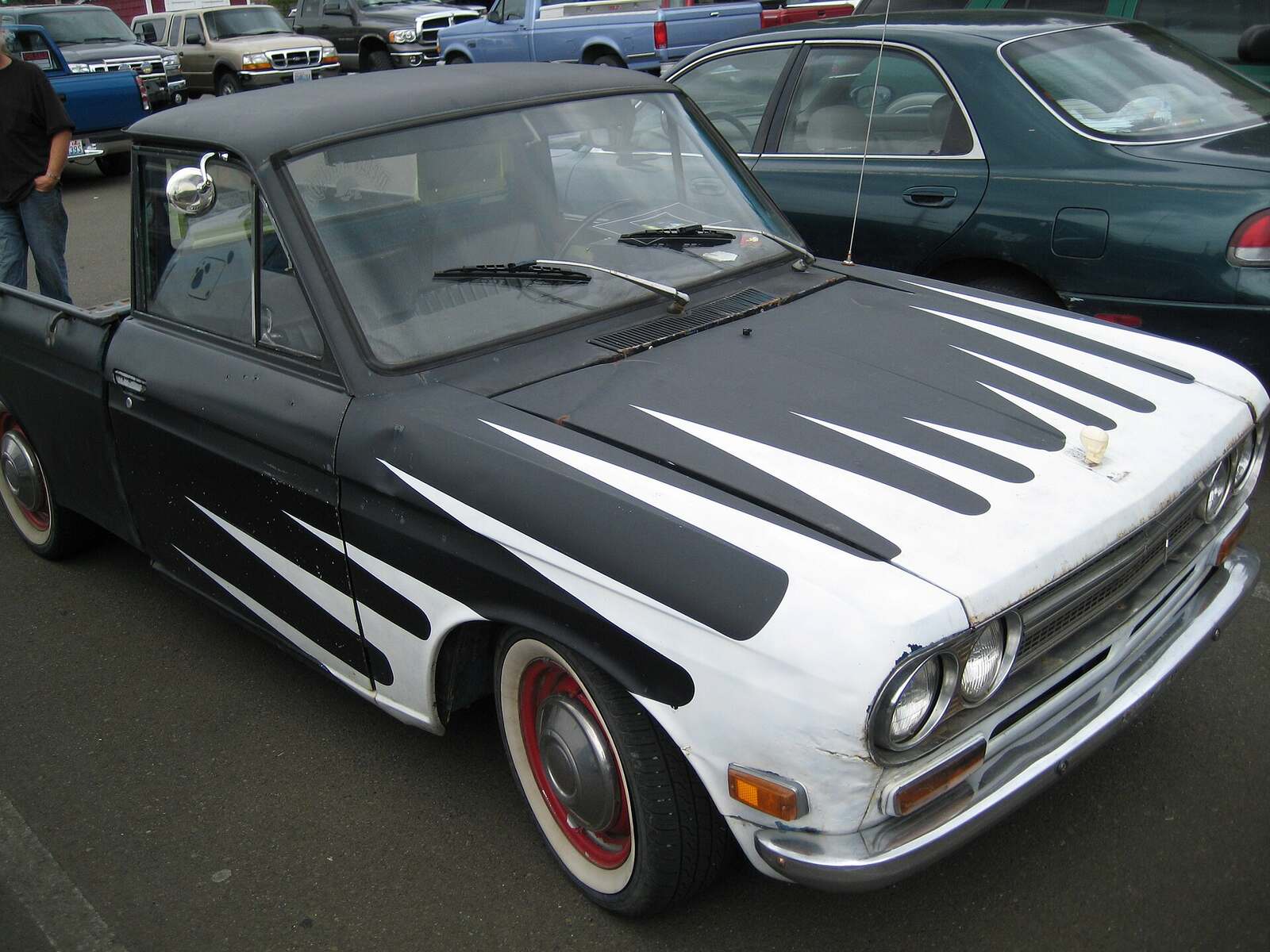
How to sell your car comes down to three decisions: which route you sell through, what price you ask, and how the paperwork closes. Get those three right and the rest is admin; get any one wrong and you lose money, time, or both. This guide walks the whole sale in order — pricing the car from real comparable listings, preparing it so buyers pay more, choosing between a private sale, a dealer buy-out, an instant offer or an auction, and closing with the title, bill of sale and payment handled safely. Whether you sell privately for the highest price or trade convenience for speed, the steps below keep the money on your side of the deal.
How to Sell Your Car at a Glance
| Route | What you get | Time | Effort | Best for |
|---|---|---|---|---|
| Private sale | Highest price | Days to weeks | You do everything | Cars with strong private demand |
| Dealer buy-out or trade-in | Wholesale-based offer | Same day | Minimal | Speed and simplicity |
| Instant offer (CarMax, Carvana) | Firm quote, below private | One to two days | Low | A fast, certain sale |
| Auction | Market price, minus fees | Days | Low to medium | Rare, classic or hard-to-price cars |
| Parts, scrap or junkyard | Parts or scrap value | Same day | Minimal | Cars that no longer run |
How to sell your car: price it before you list it
Pricing is the step that decides everything else, so do it before you write a single listing. Find comparable listings for the same year, make, model, trim and mileage near you — not the highest asking price you can find, but the prices cars like yours actually sell at. Then get your floor: our guide to how much is my trade-in worth explains the wholesale-based figure a dealer would offer, and one or two instant-offer quotes give you a second floor for free. The gap between that floor and the private price is the money a private sale is worth to you — if the gap is small, the fast routes start looking sensible.
List slightly above the price you will accept, so negotiation has somewhere to go — and set that floor in advance, in writing, before the first buyer calls. Overpricing costs weeks of silence; underpricing costs money you never get back. If a week passes with no serious enquiries, the price is the problem, not the car. That discipline — price from the market, hold your floor, re-price on evidence — is how to sell your car for more money; done patiently, it is how to sell your car for the most money. There is no trick beyond it.
What you owe does not set the price: buyers pay the market, and the market does not care about your loan balance. If you owe more than the car is worth, that gap is a separate problem to solve before the sale, covered in our guide to negative equity car trade-in — a private sale with a lien is possible, but the gap must be covered in cash at the sale.
Prepare the car: cleaning, photos and records
Buyers pay for condition they can see, so preparation is the cheapest money in the whole sale. Clean inside and out, including the boot, the engine bay wipe-down and the glass. Fix the cheap things — bulbs, wipers, tyre pressures, a diagnosed warning light — and gather the records folder: service history, receipts, the spare key and the owner's manual. Our guide to preparing a car for trade-in covers which fixes are worth paying for and which are not; the same judgement applies here, because a private buyer discounts faults harder than a dealer does.
Then photograph the car the way a buyer wants to see it: daylight, all four corners, the interior, the odometer and the flaws, shown honestly. Twelve or more photos beats four; a short video walkaround beats a paragraph of adjectives. Write the listing from the photos, not from memory — year, make, model, trim, mileage, condition and history in the first lines, so a buyer can decide in seconds whether this is their car.
How to sell your car privately: listing, viewings and test drives
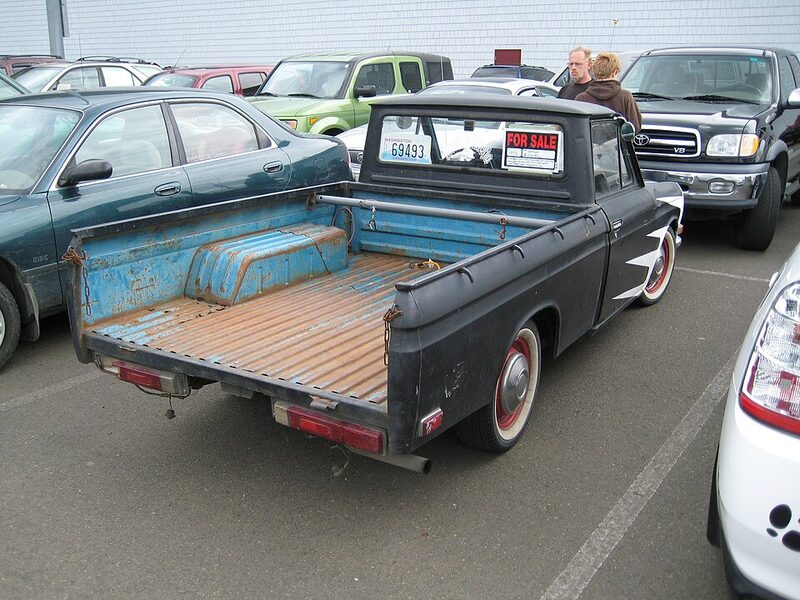
To sell your car privately, list where buyers already look. How to sell your car on Facebook Marketplace is the question most sellers start with, and the answer is simple: it is free, local, and where most private buyers browse first. How to sell your car on Craigslist and how to sell your car on Autotrader follow the same listing pattern, with better photos and a fuller description doing the work — worth the listing fee on a higher-value car. Answer messages fast — the first serious buyer to get a reply usually gets the viewing — and keep your price and your floor in front of you when you reply, so a low opening offer does not move you off either.
Viewings and test drives are where private sales are won and lost. Meet in a public place in daylight, see the buyer's licence and insurance before the keys change hands, and ride along or hold something of value during the drive. Expect no-shows and low offers; both are normal, and neither is a reason to drop your price on the spot. Selling your car on your own means you are the salesperson — how to sell your car on your own, and how to sell your car yourself, both come down to honest photos, the records folder, and a calm answer to every question.
Agree the price before you touch paperwork, and agree it in writing — a message confirming the figure is enough. The buyer who haggles after the handshake is testing whether your floor was real; the written figure ends the test.
How to sell your car online, to a dealer or at auction
If the private route is more work than the premium is worth, the fast routes are honest alternatives. Instant-offer buyers quote online and confirm in person: learning how to sell your car on CarMax or how to sell your car to Carvana takes one online form each, and the quote is firm for a set number of days. The price sits below a private sale but above most trade-ins, and the sale closes in a day or two. Get two quotes — the two buyers do not always agree.
Any dealer will buy your car outright for stock; you do not have to buy anything from them. How to sell your car to a dealership is a single appraisal visit, and how to sell your car back to the dealer you bought it from is the easiest version of all, since they already know the car. Compare the figure against the trade-in comparison in our guide to trade-in vs selling privately — a buy-out is effectively a trade-in price without the trade-in, and without the tax benefit a trade-in carries.
Auctions suit cars the ordinary market prices badly: classics, rarities and modified cars. How to sell your car at auction means choosing between a reserve price that protects you and a no-reserve listing that draws bidders, then paying the buyer's and seller's fees out of the result. For an ordinary car, an auction rarely beats a private listing.
At the end of a car's life, the routes change again. How to sell your car for parts suits a car with valuable components and a dead engine. How to sell your car for scrap suits one that no longer runs at all, and how to sell your car to a junkyard — or to a scrap yard — is the same call with a tow truck attached. Get quotes from two yards — scrap prices move with metal prices — and keep the title paperwork clean even here: most states still want the transfer recorded.
Paperwork: title, bill of sale and the lien
Three documents close a private sale: the signed title, a bill of sale stating price, date, VIN and both signatures, and the odometer disclosure. Sign the title exactly as your state requires — a mistake on the title is the most common reason a sale unravels after the money moves. Both parties keep a copy of everything, and you notify your state the day of the sale, so your liability for the car ends when your ownership does. Selling privately gives you no trade-in tax benefit on your next purchase; our explainer on the trade-in tax credit covers which states allow it and what you give up by selling outside a dealer transaction.
A financed car adds one step. How to sell your car that is financed starts with a payoff quote from your lender — how to sell your car with a loan outstanding means the buyer's payment and the lender's payoff must be coordinated, and the title release can take days after the loan is cleared. Some buyers walk away at that delay, so price it in and be upfront about it in the listing. Our guide to how trade-in payoff works walks through the same mechanics from the dealer side. A leased car is different again: you cannot sell what you do not own — see can you trade in a leased car for the lease-end routes.
How to sell your car without a title starts with getting one: apply for a duplicate from your state motor-vehicle department before you list, because most private buyers will not touch a car without a clean title in the seller's name. Junkyards and parts buyers are the exception in some states, and only for cars sold as scrap — never for a car that will be driven again.
State rules control the details, and the most-searched versions of this guide are state-qualified for a reason: how to sell your car in Texas and how to sell your car in California lead, with Florida and Arizona close behind, because title-transfer forms and seller-notice deadlines are set state by state. The same pattern holds in Colorado, Maryland, Washington, Virginia, Michigan, North Carolina and New York: the sale steps are the same, the forms and deadlines differ. The steps above work everywhere; the exact forms and the clock on your seller notice come from your state's motor-vehicle department, so confirm them before the sale, not after.
How to sell your car safely: payment and scams
Payment is the one step with no second chance. Accept a cleared bank payment — a wire, or a cashier's check verified with the issuing bank, not with a phone number the buyer gives you — before you release the car and the signed title. How to sell your car for cash is the same sale with a simpler payment: count it at the buyer's bank. Never accept a personal check, never release the car against a promise, and never let the buyer drive away while any part of the payment is still "processing".
The scams are old and consistent: the overpayment with a refund request, the fake escrow service, the shipping agent who will collect the car, the buyer who cannot meet in person for reasons that keep changing. Any of them is a reason to end the conversation, not to negotiate. The FTC's guidance on selling a car stresses exactly these fraud and paperwork basics, and they are worth reading before your first listing goes live.
Safety is simpler: meet in public, in daylight, bring someone with you, and keep your documents with you until the money has cleared. If anything about the arrangement feels off, end it. No sale is worth a safety risk, and there is always another buyer.
Frequently asked questions
How can I sell my car fast?
How to sell your car fast is a price question, not a marketing question: price below comparable listings and the enquiries come the same day, or take an instant-offer quote — how to sell your car on Carvana or on CarMax closes in a day or two. Speed costs roughly the private-sale premium — the gap between the instant-offer figure and the private price is what you pay for not waiting.
How to sell your car in Texas — what's different?
In Texas, sign the title over to the buyer and file the vehicle transfer notification with the state, which ends your liability for the car. Keep your copy of the bill of sale until the buyer has titled the car in their name. The sale steps are the same as anywhere; the transfer notice is the Texas-specific part that sellers most often forget.
How to sell your car in California — what's different?
In California, the seller is generally responsible for providing a smog certificate for a private sale, and must file the release of liability with the DMV after the sale. The smog rule has exceptions — transfers within a family are the main one — so confirm whether it applies to your sale before you list.
Can I sell a car I still owe money on?
Yes. How to sell your car if you still owe means getting the payoff figure from your lender, coordinating the buyer's payment with the payoff, and waiting for the title release before the transfer completes. If you owe more than the car is worth, the gap must be covered in cash at the sale — how to sell your car with negative equity means closing that gap first, and our guide to handling negative equity covers the options.
Is it better to sell privately or trade in?
Privately usually pays more; trading in is faster, easier and carries a tax benefit in most states. Which wins depends on your car's value, your state's tax rule and your time — our full comparison in sell privately or trade in runs the arithmetic so you can decide on your own numbers.
Can I sell my car for parts or scrap?
Yes, when the repair bill exceeds the car's value. Selling for parts pays more but takes longer; selling for scrap or to a junkyard pays the metal price and closes the same day. Get two quotes either way, and keep the title transfer clean — most states still want the sale recorded even for a car headed to the crusher.
Conclusion: how to sell your car, settled by your numbers
How to sell your car is not a single trick; it is three decisions made in the right order. Price from comparable listings, not from hope. Prepare the car and photograph it honestly. Pick the route that fits your time — private for the most money, instant offer or dealer for speed — and close the paperwork cleanly, with the title, bill of sale and payment all settled before the car leaves. Do those three things and the sale takes care of itself. Price the replacement car first with our how to sell your car invoice pricing guide, then run your numbers through our how to sell your car calculator. Start at MyCarDiscount.com.


Get the number dealers start from.
Invoice, estimated true cost, out-the-door — before any dealer hears your name.