
History of the Ford F-150: America's Best-Selling Truck
The Ford F-150 history, in short: a truck line born in 1948 and a nameplate that arrived in 1975 grew into America's best-selling vehicle — and its eras explain modern truck prices and resale values.
Key Takeaways
- The F-Series has been America's best-selling truck line for nearly five decades; the F-150 nameplate arrived in 1975.
- Trucks became family cars between 1997 and 2014 — that shift is why trucks now carry luxury-car prices.
- The 2015 aluminium-body bet reshaped the line's cost and repair economics.
- Each era of F-150 is a different used buy — know which era you are shopping.
The history of the Ford F-150 is really two histories: a truck line born in 1948, and a nameplate that arrived in 1975 and grew into the center of it. Ford records the F-Series as America's best-selling truck line for nearly five decades, and the best-selling vehicle of any kind for most of the years since 1981 — a run no rival has matched. Understanding how the F-150 got there explains a lot about the modern truck market: why trucks carry luxury-car prices, why resale values behave the way they do, and what each era of used F-150 is actually like to own.
History of the Ford F-150: The Eras at a Glance
| Era | Years | What changed |
|---|---|---|
| F-Series begins | 1948–1974 | Ford's first post-war dedicated truck line, launched with the F-1; pickups built as tools, sold to workers and farms |
| The F-150 arrives | 1975–1996 | The F-150 nameplate joins the line between F-100 and F-250; trucks begin doubling as family vehicles |
| The aero reset | 1997–2014 | Rounded, car-influenced styling; crew cabs take over; EcoBoost turbo engines arrive in 2011 |
| The aluminum bet | 2015–2020 | Aluminum-alloy body on a steel frame cuts weight by hundreds of pounds; technology and prices climb together |
| Hybrid and electric | 2021–present | Fourteenth generation: PowerBoost hybrid, onboard generator power, and the all-electric F-150 Lightning in 2022 |
1948–1974: A Truck Line Built for Work
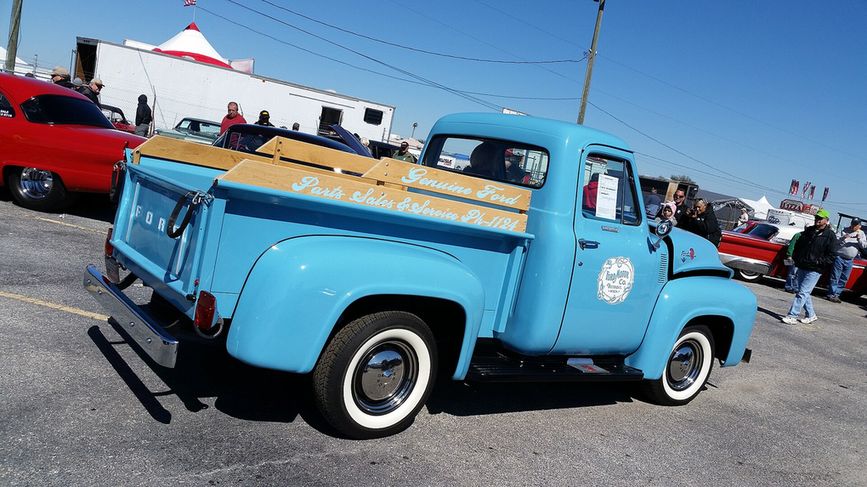
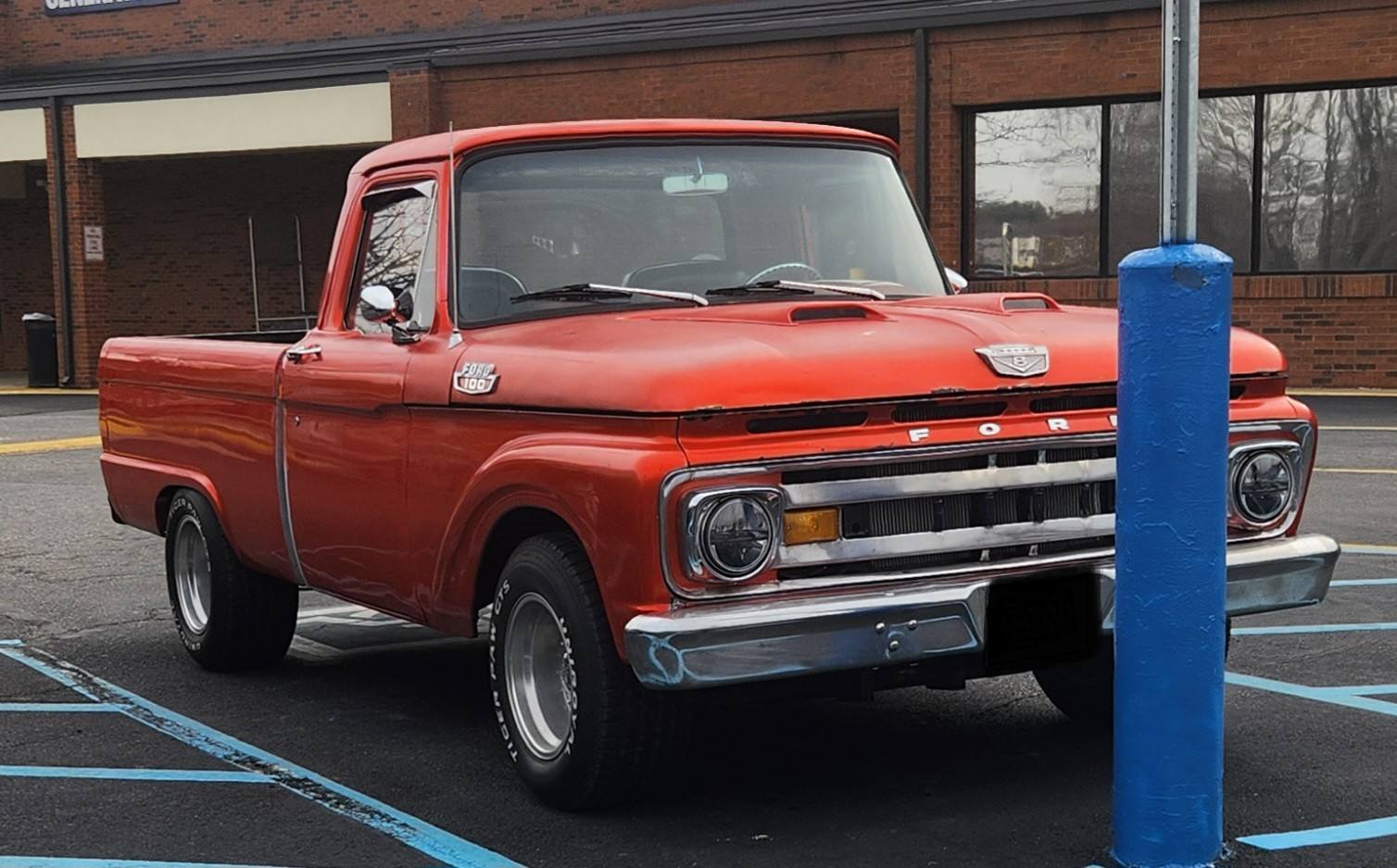
Ford's F-Series was its first all-new vehicle line after the Second World War, launched in 1948 with the F-1 half-ton pickup. Earlier Ford pickups had been adapted from cars; the F-Series was designed as a truck from the start, with a roomier cab Ford marketed heavily at a time when comfort in a work vehicle was a genuine selling point. Through the 1950s and 1960s the line settled into the naming pattern still used today — F-100, F-250, F-350 by capacity — and into its role: a tool bought on capability and price, with trim levels that topped out at vinyl and steel.
For buyers, this era matters mostly as the root of the F-150's parts and knowledge ecosystem. Seventy-plus years of one continuous line means no mainstream truck has deeper aftermarket support, more documented repairs, or more mechanics who know it — a real, if unglamorous, ownership advantage that still shows up in running costs today.
1975–1996: The F-150 Nameplate Arrives
The F-150 badge itself appeared in 1975, slotted between the F-100 and the heavier F-250. The logic was practical: a slightly heavier-duty half-ton, rated above the threshold that triggered some of the era's emissions equipment requirements on lighter trucks. Buyers did not care about the regulatory reasoning — they cared that it was the most capable light Ford — and the F-150 was quickly accounting for more than a third of F-Series sales. In 1977 the F-Series became America's best-selling pickup line, a position Ford's records show it has held ever since.
Through the 1980s the trucks got squarer, then more efficient; extended "SuperCab" bodies widened their appeal beyond the job site, and fuel injection replaced carburetors across the range. The era's trucks established the template the F-150 still follows: one nameplate spanning bare work spec to well-equipped family transport, with the price ladder built from cabs, beds and trim rather than different vehicles. The modern Ford F-150 invoice price structure — enormous spread between a work truck and a flagship — starts here.
1997–2014: Trucks Become Family Cars
The 1997 redesign was the F-150's most controversial styling break: rounded, aerodynamic, car-influenced, initially sold alongside the old truck while Ford tested the water. The market's answer was emphatic — buyers wanted the truck that drove like a car. Full four-door crew cabs moved from rarity to default, interiors gained the features of mid-priced sedans, and the F-150's center of gravity shifted permanently from work tool to dual-purpose family vehicle that also tows.
Powertrains modernized in step. The landmark was 2011's EcoBoost twin-turbo V6, which made the heretical case that a six-cylinder could out-tow the V8 — and won enough buyers to change what truck engines look like across the industry. For anyone shopping these years used, this is the era where condition and specification matter more than age: a well-kept EcoBoost crew cab is a thoroughly modern truck, while the same money buys very different machinery at the work-truck end.
2015–2020: The Aluminum Bet
For 2015, Ford made the boldest engineering gamble in the nameplate's history: the thirteenth-generation F-150's body switched from steel to aluminum alloy, still on a high-strength steel frame. The switch cut the truck's weight by hundreds of pounds — capacity and fuel economy both gained — but rivals bet buyers would reject a "beer can truck," and repair costs became a live question. The sales verdict settled it: the F-Series' best-seller run continued unbroken, aluminum repair normalized across the industry, and competitors adopted more aluminum themselves.
The era also completed the F-150's price transformation. High-specification trims reached deep into luxury-car territory, with the invoice-to-MSRP spreads to match — one reason our Ford invoice prices guide treats trim selection as the main negotiation variable on this brand. Buyers of 2015–2020 trucks today get the modern safety and infotainment baseline at used prices, with one caveat: aluminum body repair needs a properly equipped shop, so accident history deserves extra scrutiny.
2021–Present: Hybrid Power and an Electric Branch
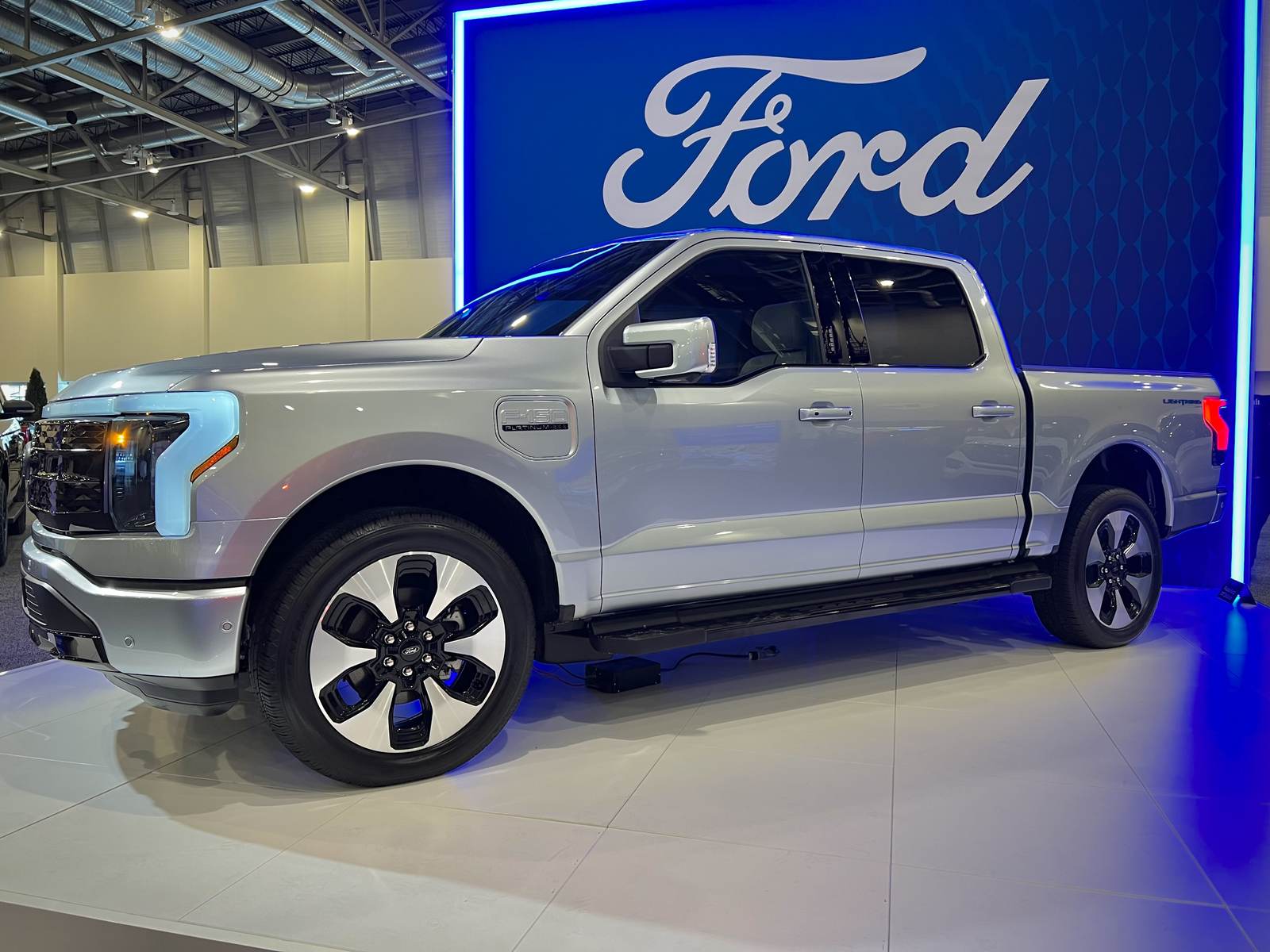
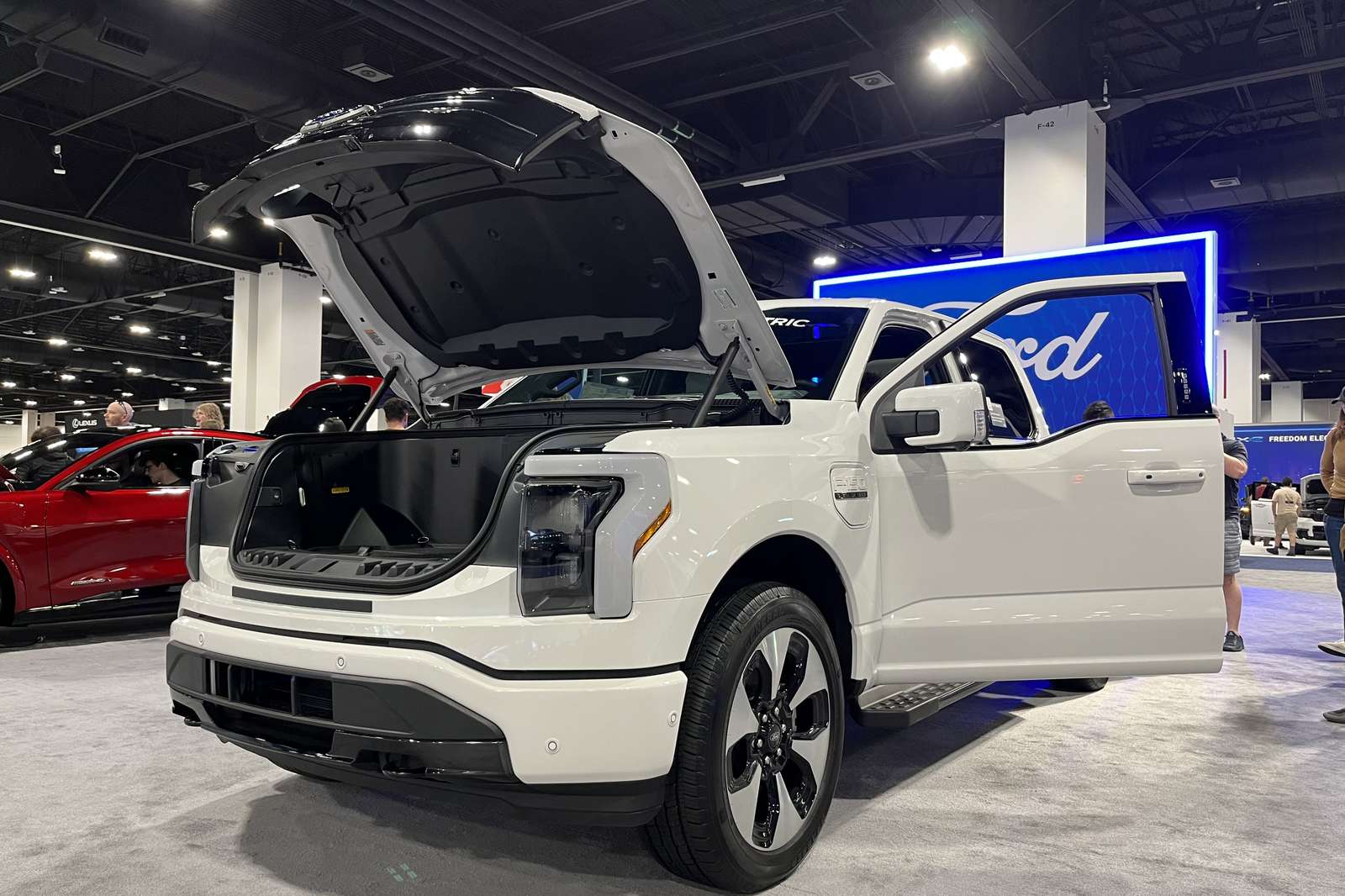
The fourteenth generation, launched for 2021, kept the aluminum body and added the PowerBoost hybrid powertrain and Pro Power Onboard — a built-in generator system that turned the truck into a worksite and emergency power source, and became the F-150's signature feature. In 2022 the line split: the F-150 Lightning took the nameplate fully electric, with the same body and bed as the gasoline-powered truck. Ford has since reshaped its electric plans around demand, but the Lightning's arrival marked the moment the best-selling nameplate in America treated electric power as a trim level rather than an experiment.
The through-line of the whole history is that the F-150 survives by absorbing what buyers actually do with trucks — commute, haul families, tow, work — a decade before rivals treat it as obvious. If you are pricing today's truck, our Ram truck buying guide covers its longest-running rival, and our guide to the history of MSRP explains the sticker that every one of these trucks has carried since 1959.
Frequently asked questions
When does the history of the Ford F-150 begin?
The F-Series truck line began in 1948 with the F-1, Ford's first all-new post-war vehicle line. The F-150 nameplate itself arrived in 1975, positioned between the F-100 and F-250, and became the line's best-known model.
Why is the Ford F-150 called America's best-selling truck?
Because of duration, not a single good year. Ford's published history records the F-Series as America's best-selling pickup line since 1977, and the best-selling vehicle of any kind in the country for most of the years since 1981 — a streak built on fleet sales, a huge dealer network and a trim ladder that covers work trucks to luxury models under one badge.
What was the biggest change in the history of the Ford F-150?
The 2015 switch to an aluminum-alloy body. It cut hundreds of pounds, improved fuel economy and capability, and was a genuine commercial risk — competitors predicted buyers would reject it. Continued sales success made it the industry template instead.
Is the F-150 Lightning part of the history of the Ford F-150 or a separate model?
Part of the same line. Launched for 2022 within the fourteenth generation, the Lightning is the F-150's all-electric variant, sharing the truck's body and bed rather than sitting on a separate nameplate — the clearest sign of how Ford now treats electrification as one powertrain choice among several.
Conclusion: What the History of the Ford F-150 Means for Buyers
The history of the Ford F-150 is a seventy-eight-year argument that versatility wins: one nameplate that works on a site at 7 a.m. and takes a family out at 7 p.m. For buyers, the eras translate into practical knowledge — pre-1997 trucks are classics, 1997–2014 trucks are the used-value sweet spot, aluminum trucks from 2015 need body-repair diligence, and current trucks carry the hybrid and technology features that hold value best. Know which era you are buying, and the Ford F-150 history stops being trivia and starts being a pricing tool — check today’s figures with our history of the ford f 150 invoice pricing guide and run a current deal in our ford f-150 history calculator. Start at MyCarDiscount.com.
Get the number dealers start from.
Invoice, estimated true cost, out-the-door — before any dealer hears your name.