
History of MSRP: How Sticker Pricing Became Law in 1958
MSRP history starts before 1958, when there was no reliable way to know what a new car was supposed to cost — the Monroney Act fixed it with a piece of paper in the window that still anchors every negotiation.
Key Takeaways
- The Automobile Information Disclosure Act of 1958 created the window sticker — the Monroney label.
- Before the sticker, prices changed from dealer to dealer and salesman to salesman, and buyers negotiated blind.
- 'Suggested' is the most important word on the sticker — the price is a reference point, not a requirement.
- The sticker has limits today, but it still anchors every new-car negotiation in America.
The history of MSRP begins with a problem so basic it is hard to imagine now: before 1958, there was no reliable way to know what a new car was supposed to cost. No federal rule required a standard price label, figures changed from dealer to dealer and salesman to salesman, and a buyer walking into a showroom had no fixed reference point to negotiate against. The Automobile Information Disclosure Act of 1958 fixed that with a piece of paper in a car window — and the window sticker it created, the Monroney label, still anchors every new-car negotiation in America.
History of MSRP: The Timeline at a Glance
| When | What happened |
|---|---|
| Before 1958 | No standard price disclosure; "list prices" were inconsistent, and buyers could not compare like with like between dealers |
| March 1958 | Sen. Mike Monroney of Oklahoma introduces the disclosure bill in the US Senate |
| 7 July 1958 | The Automobile Information Disclosure Act is signed into law (Public Law 85-506) |
| 1959 model year | Labels become mandatory: every new car must carry the manufacturer's suggested retail price, option prices, transport charge and total |
| 1970s onward | The label grows: EPA fuel-economy ratings are added (required from the 1977 model year), followed in later years by government safety ratings and parts-content information |
| Today | The same sticker, unchanged in principle, is the legal starting point of every new-car price — in the showroom and online |
Before the Sticker: Buying Blind
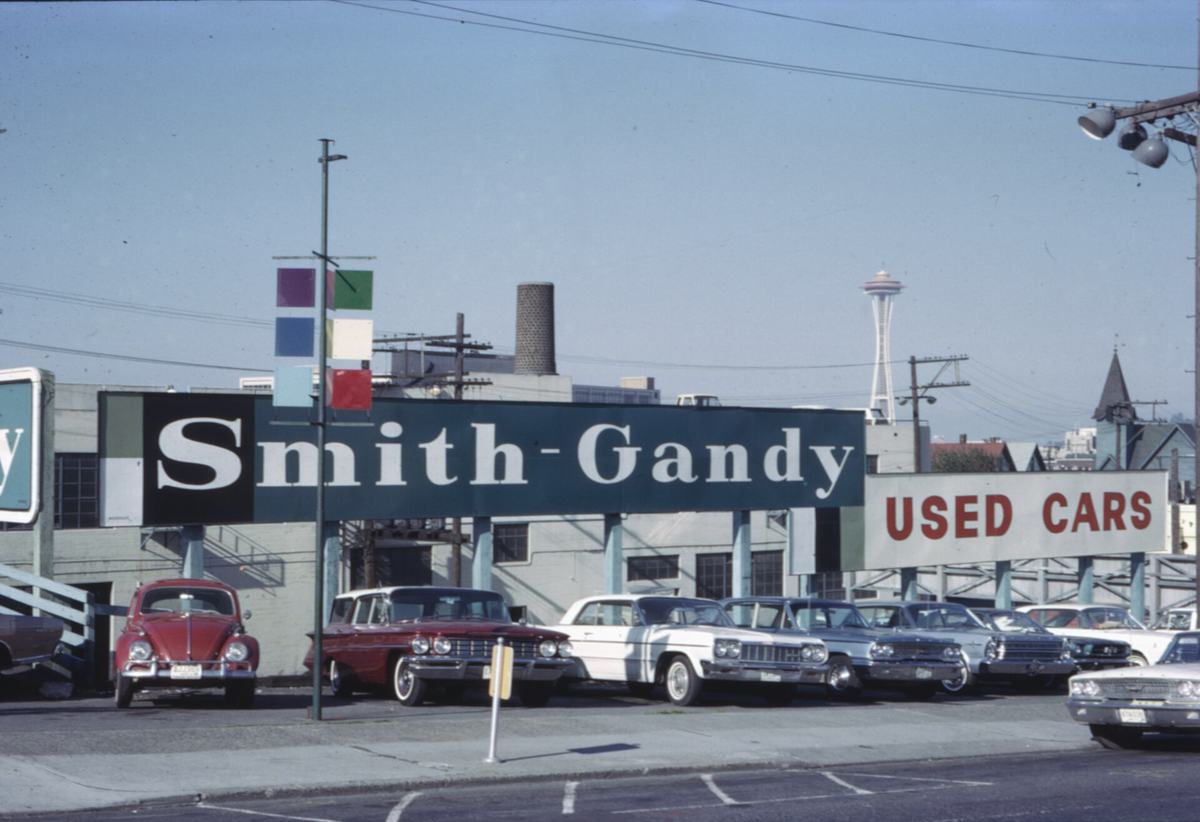
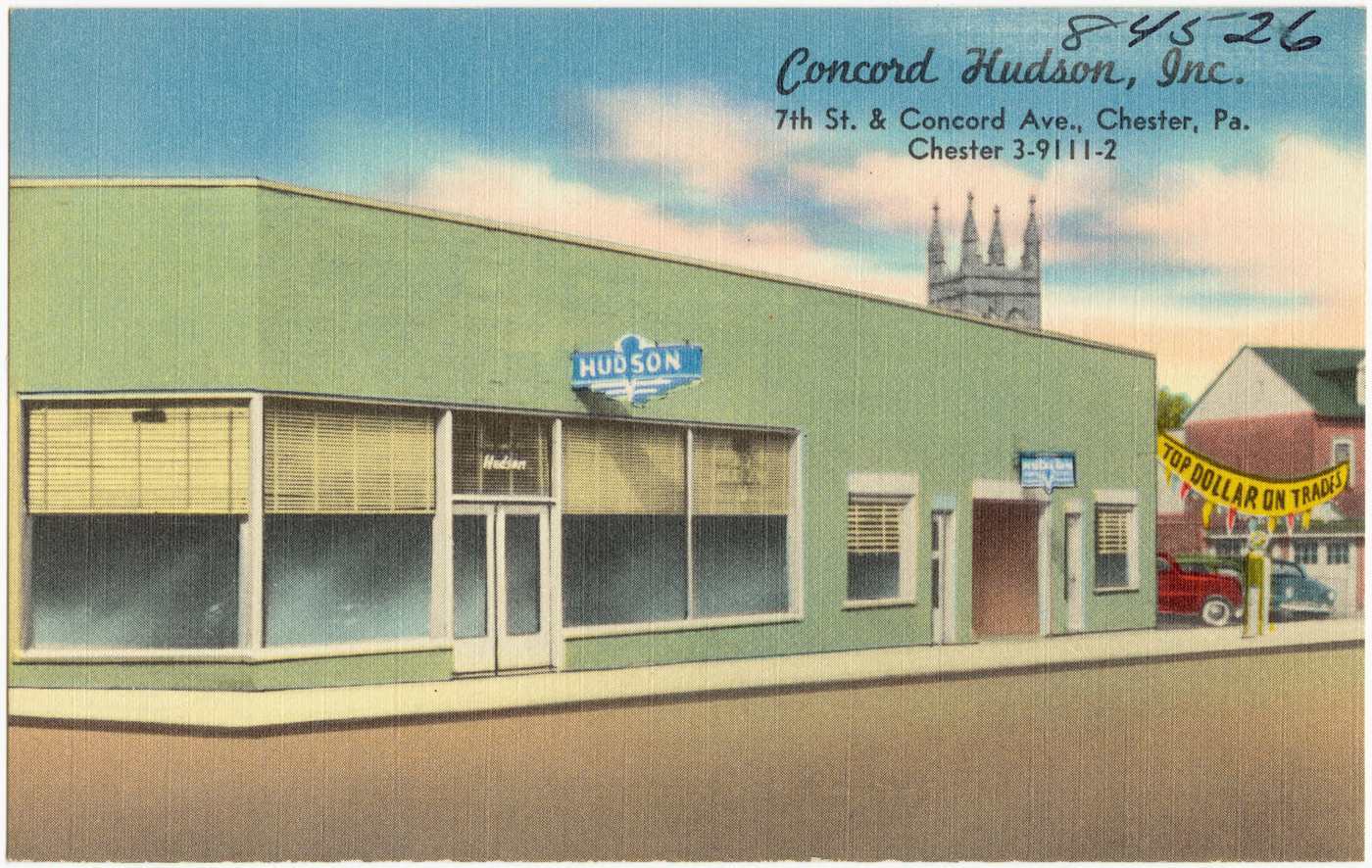
In the 1950s the American car market was enormous, fast-growing and remarkably opaque. Manufacturers published list prices in some contexts, but nothing compelled a uniform, car-by-car disclosure at the point of sale. A dealer could present nearly any figure as "the price," pad it with unexplained charges, or discount theatrically from a number that had never been real. Buyers comparison-shopped against advertisements and neighbors' claims, and the information advantage sat entirely with the seller.
Complaints about deceptive pricing practices reached Congress, and the issue landed with Senator A. S. "Mike" Monroney of Oklahoma, chairman of a Senate subcommittee with jurisdiction over the auto industry. Monroney's insight was that the fix did not require price controls — dealers would remain free to sell at any price. It required disclosure: one standard, truthful label, attached by the manufacturer, that every buyer could read before negotiating. Our explainer on what MSRP means covers the modern definition; the msrp history is the story of why that definition exists in law at all.
The 1958 Act and What It Required
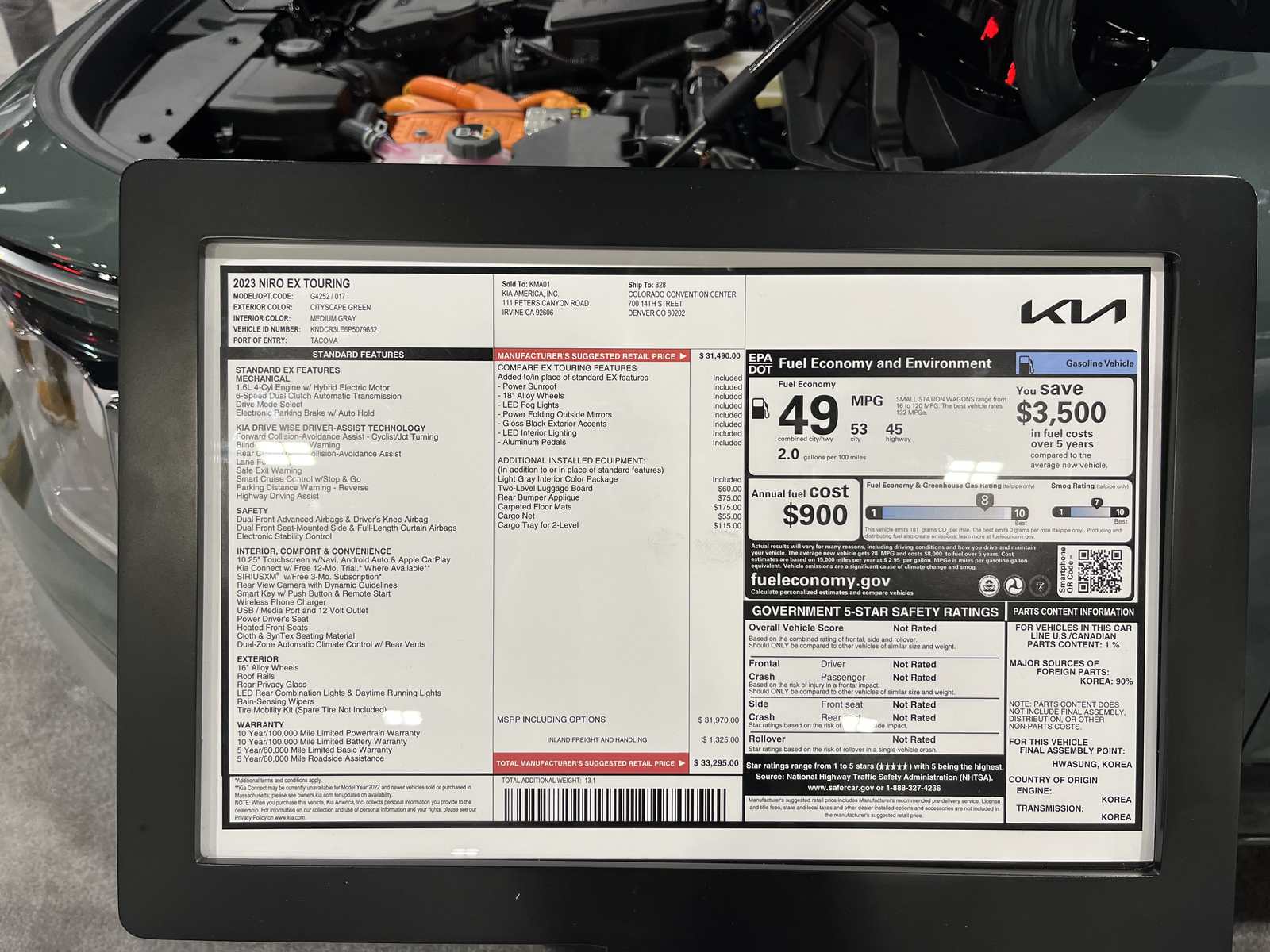
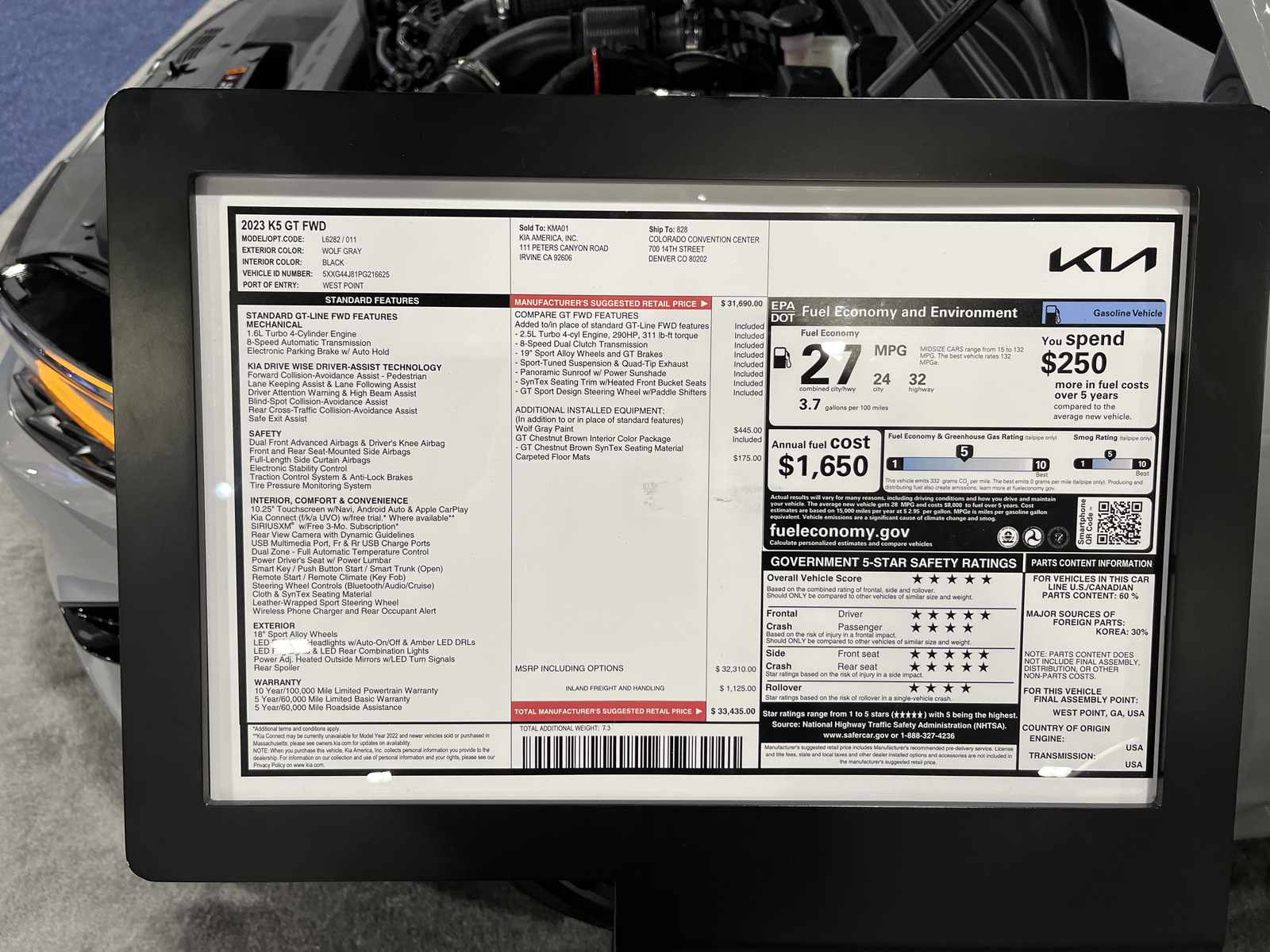
The Automobile Information Disclosure Act passed quickly and was signed by President Eisenhower on 7 July 1958, taking effect with the 1959 model year. Codified at 15 U.S.C. §§ 1231–1233, it requires the manufacturer to affix a label to the windshield or side window of every new car, stating:
- The make, model and vehicle identification details, and the final assembly point;
- The name and location of the dealer the car is delivered to;
- The manufacturer's suggested retail price — the origin of MSRP as a standard term;
- The suggested retail price of each item of optional equipment fitted to that specific car;
- The charge for transporting the car to the dealer — the ancestor of today's destination charge, covered in our guide to the destination charge explained;
- The total of all of it: the full suggested delivered price.
The law protects the label itself with unusual seriousness. It must remain affixed until the car is delivered to the buyer, and willfully removing, altering or obscuring it beforehand is a federal offense — punishable, per vehicle, by a fine of up to $1,000, up to a year in prison, or both. That the label is still universally called the Monroney sticker is the sponsor's reward.
Why "Suggested" Is the Most Important Word
Monroney's law standardized the starting number, not the selling price. MSRP is the manufacturer's suggestion: dealers remained free to charge more or less, and that freedom is why our comparison of MSRP vs invoice price can exist — the whole modern practice of negotiating between invoice and sticker happens in the space the 1958 Act deliberately left open. What the Act removed was not dealer pricing power but dealer information power. Once every car carried the same truthful baseline, a discount claim could be checked, a padded figure exposed, and two dealers' quotes compared on identical terms.
The label also grew with the decades. Federal energy legislation in the 1970s added EPA fuel-economy ratings to the sticker (required from the 1977 model year), and later amendments and companion rules brought government safety ratings and domestic parts-content information onto the same sheet. The window sticker became the car's statutory fact sheet — price, equipment, economy, safety — in a format no dealer could redesign.
The Sticker Today — and Its Limits
The Monroney label's modern descendant still sits in the window of every new car in America, and its contents now flow into online listings as well. Its limits are the ones 1958 left in place: it shows the manufacturer's numbers, not the dealer's. Invoice price is not on the sticker. Dealer-installed accessories and market adjustments appear, if at all, on a separate addendum sticker — legal only because it is distinct from the federal label, and a distinction worth understanding before you pay one, as our guide to dealer fees explained sets out. And the Act covers new cars only: used cars carry no Monroney label at all.
That is precisely why the history of MSRP matters to a buyer in the internet era. The 1958 settlement gave you a truthful public number — and left the dealer's private number, the invoice, for you to find yourself. MyCarDiscount exists in that gap: we show the invoice and the estimated true cost alongside the sticker, so the negotiation Monroney made possible starts from both numbers instead of one.
Frequently asked questions
What is the history of MSRP before 1958?
Before 1958 there was no federally required, standardized price label on new cars. Manufacturers and dealers presented prices inconsistently, buyers could not reliably compare offers, and complaints about padded and deceptive pricing helped propel Congress to act. MSRP as a uniform concept dates from the Automobile Information Disclosure Act of 1958.
Who was Monroney, and why is the sticker named after him?
Senator A. S. "Mike" Monroney of Oklahoma sponsored the Automobile Information Disclosure Act (Senate bill S. 3500) and steered it through the 85th Congress. President Eisenhower signed it on 7 July 1958, and the label it mandates has carried Monroney's name ever since.
What does the history of MSRP require dealers to disclose today?
The manufacturer must affix a label to every new car showing its identity and assembly point, the dealer it was delivered to, the manufacturer's suggested retail price, the price of each fitted option, the transportation charge and the total — plus, under later rules, EPA fuel-economy figures and other federal disclosures. The label must stay on the car until the buyer takes delivery, and tampering with it is a federal offense.
Does the history of MSRP mean dealers must sell at the sticker price?
No — and it never did. The 1958 Act mandates disclosure, not pricing. MSRP is a suggestion the dealer can discount or, in tight markets, exceed with a clearly separate addendum. The law's purpose was to give buyers a truthful baseline for negotiation, not to fix transaction prices.
Conclusion: Why the History of MSRP Still Protects Buyers
The history of MSRP is the history of a simple idea winning: a buyer who can see the manufacturer's own number cannot be negotiated against in the dark. The Monroney Act did not cap prices, ban markups or publish dealer costs — it standardized the starting point, and every comparison tool, invoice guide and out-the-door quote since has built on that foundation. Read the sticker knowing what the law put on it and why, then bring the invoice number with you, and you are playing the game exactly as its 1958 referee intended — begin with thehistory of msrp on MyCarDiscount.com.


Get the number dealers start from.
Invoice, estimated true cost, out-the-door — before any dealer hears your name.