
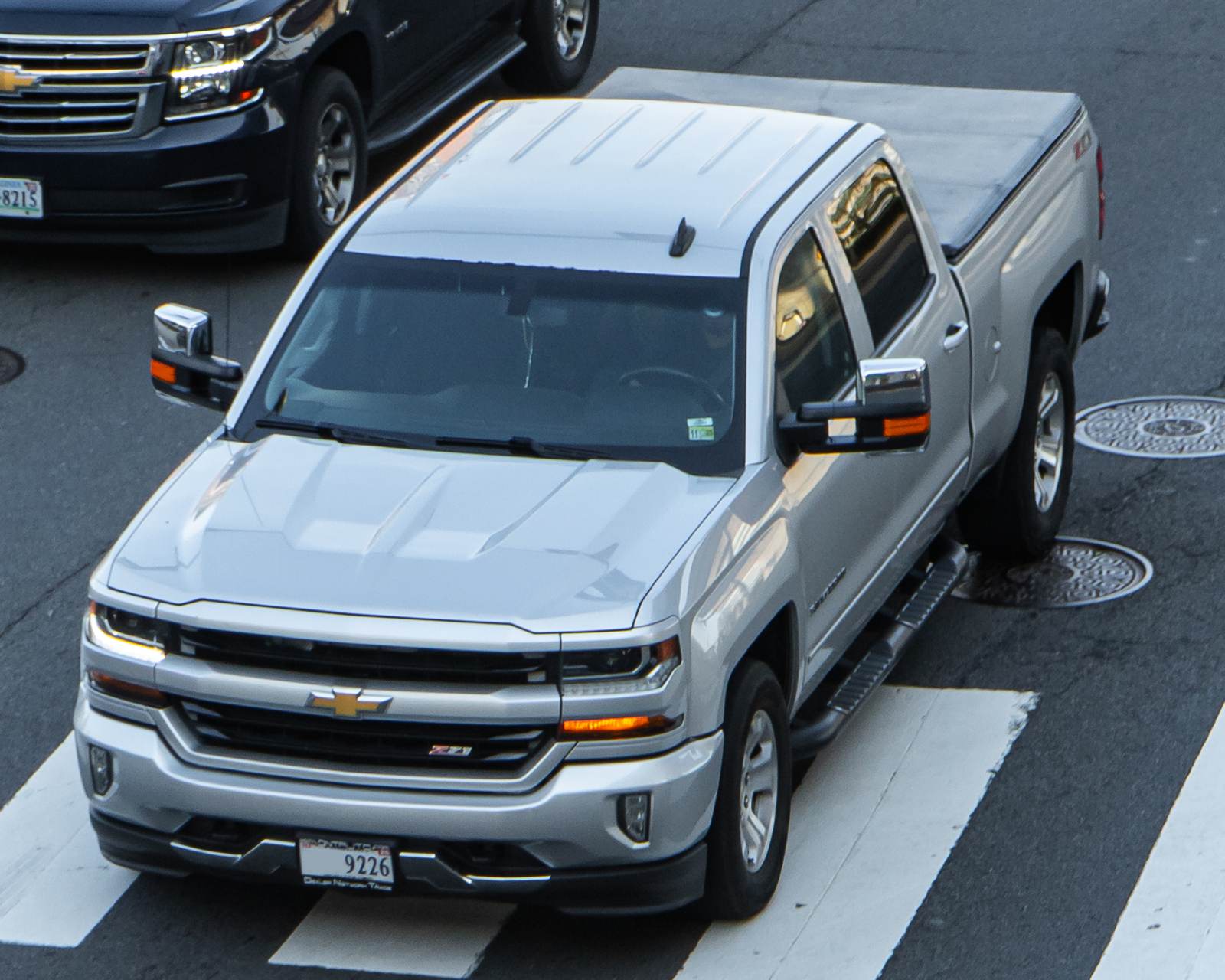
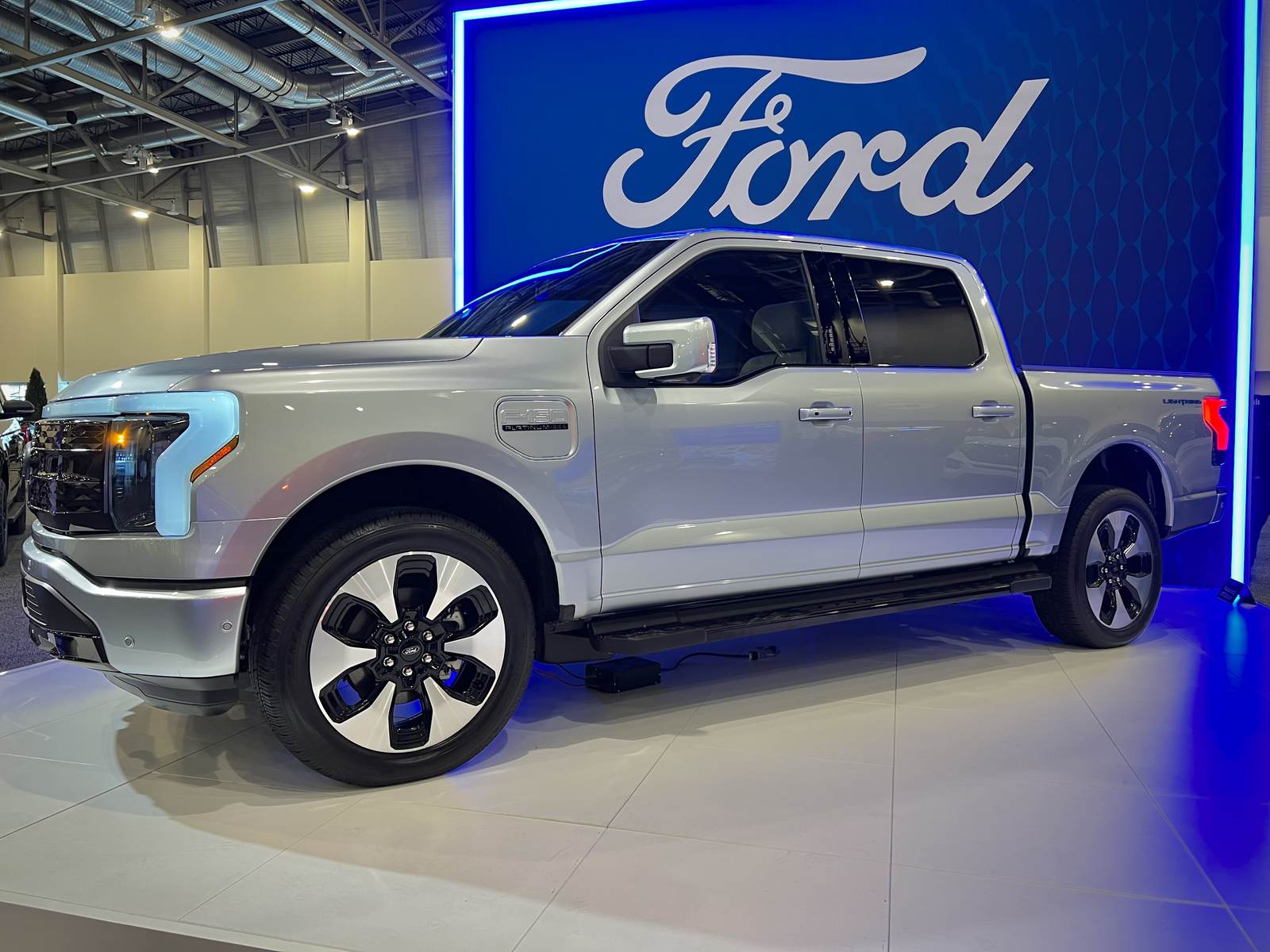
Ford F-150 vs Chevrolet Silverado: Price, Towing, Trims
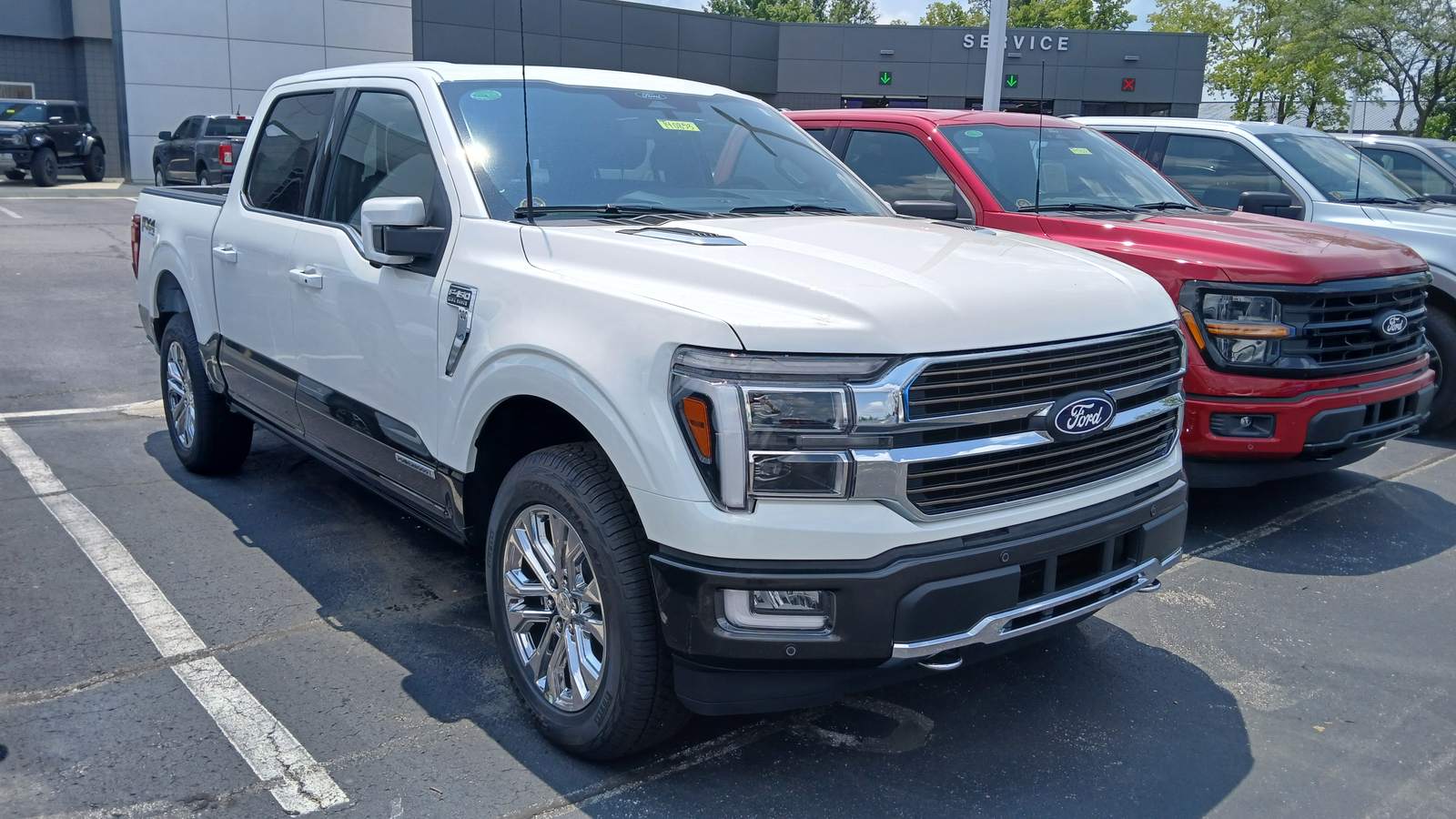
Ford F-150 compared to Chevrolet Silverado on buyer's numbers: the oldest rivalry in American trucks, settled on what each costs by trim, what each tows, and where the discounts historically hide.
Key Takeaways
- On published 2026 maximums the F-150 tows more by 200 lb (13,500 vs 13,300) and carries more payload (2,440 vs 2,260 lb) — but each maximum belongs to one configuration.
- Per-engine ratings matter more than the headline: Ford's 3.5L EcoBoost tops the chart, while Chevrolet's 6.2L V8 (13,200 lb) and Duramax diesel (13,300 lb) both crowd the top.
- Both brands' holdback is published at 3% of total MSRP, so the month's incentive stack — not margin structure — usually decides which truck is cheaper.
- Ford offers the segment's only full hybrid (PowerBoost, with generator power); Chevrolet offers the segment's only diesel (Duramax) — pick the engine and the rivalry is settled.
This Ford F-150 vs Chevrolet Silverado comparison is decided on the numbers and the ownership costs, not the badge — here is how the two stack up. Ford and Chevrolet have fought over the same truck buyer for half a century, and the F-150 and Silverado 1500 are the two best-selling truck lines in America — so evenly matched that the advertising has to invent differences. This comparison skips the advertising. It runs on the numbers a buyer can actually use: what each truck costs and where the dealer margin sits, what each one tows and carries on the manufacturers' own published ratings for the 2026 model year, how the two trim ladders line up, and where the discounts on each historically hide. One warning that applies to everything below: a maximum rating belongs to one specific configuration, and the truck actually in front of you carries its own ratings on its door-jamb label.
Ford F-150 vs Chevrolet Silverado at a Glance
| Ford F-150 | Chevrolet Silverado 1500 | |
|---|---|---|
| Maximum available towing (2026) | 13,500 lb (3.5L EcoBoost) | 13,300 lb (3.0L Duramax diesel) |
| Maximum available payload (2026) | 2,440 lb | 2,260 lb |
| Engine lineup | Turbocharged V6s, 5.0L V8, full hybrid | Turbocharged four, two V8s, turbo-diesel six |
| Hybrid or diesel | Hybrid (PowerBoost) — no diesel offered | Diesel (Duramax) — no hybrid offered |
| Published holdback | 3% of total MSRP | 3% of total MSRP |
| Trim ladder shape | XL to Raptor; volume in XLT and Lariat | WT to ZR2; volume in LT and RST |
| Signature feature | Pro Power Onboard generator power from the hybrid | Super Cruise hands-free driving availability |
Price: Two Ladders, Same Shape
Both trucks open with a regular-cab work truck and climb — through volume trims, luxury trims and off-road flagships — to prices deep in luxury-car territory. Within each line the spread between the cheapest and dearest version is enormous, and the invoice spread scales with trim and options rather than with the badge: modest on a work truck, very large on a loaded crew cab. Our by-trim guides price both ladders rung by rung — the Ford F-150 invoice price deep-dive and the Chevrolet Silverado invoice price guide — and the pattern in both is the same: pick the trim first, because the trim decides the negotiating terrain.
On margin structure, the brands are twins. Published charts put both Ford and Chevrolet holdback at 3% of total MSRP — on a truck with a $60,000 total MSRP, that is $1,800 of holdback on either badge (illustrative example). What actually differs month to month is the incentive stack. GM traditionally layers heavy consumer cash and selected-inventory bonus cash onto the Silverado; Ford alternates its weight between cash and APR programs and leans harder at model-year changeover. In any given month, the cheaper truck is the one whose stack is richer on the trim you want — which is why the only honest price comparison is two out-the-door quotes for the Ford F-150 or Chevrolet Silverado, on equivalent trims, in the same week, run through the calculator.
Towing and Payload: 200 Pounds of Headline, Thousands of Pounds of Fine Print
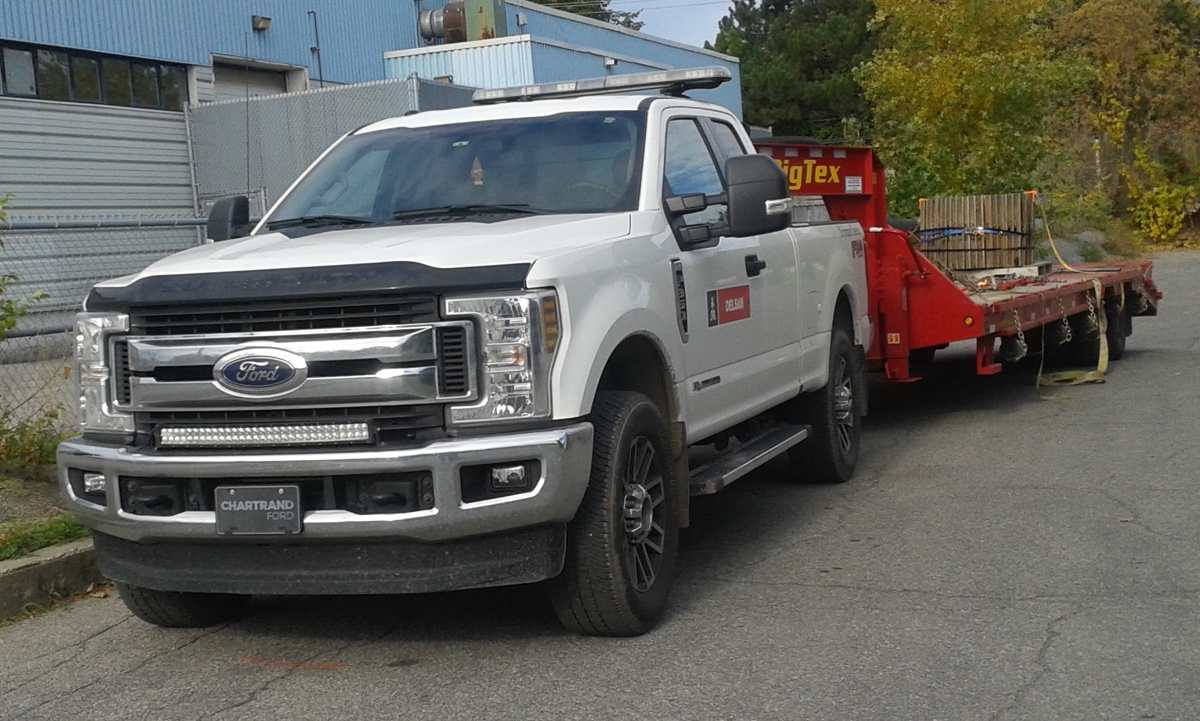
Ford publishes a maximum available tow rating of 13,500 pounds for the 2026 F-150, reached by the 3.5L EcoBoost, and maximum available payload of 2,440 pounds. Chevrolet publishes 13,300 pounds for the 2026 Silverado 1500 — reached, notably, by the 3.0L Duramax diesel in a Double Cab with the Max Trailering Package — and maximum payload of 2,260 pounds. The headline gap is 200 pounds, and it is real, but it describes two single configurations that most buyers will never own.
The per-engine maximums are the comparison that matters. In the F-150, the 2.7L EcoBoost tops out at 8,400 pounds, the 5.0L V8 at 12,800 and the 3.5L EcoBoost at 13,500. In the Silverado, the TurboMax four rates 9,500 pounds, the 5.3L V8 11,300, the 6.2L V8 13,200 and the Duramax 13,300. Read across and the story flips by engine: Ford's turbo six beats everything, but Chevrolet's two big-engine options both crowd the top, and the diesel does it while sipping fuel on the highway. Then payload binds first for most real towers anyway: passengers, cargo and the trailer's tongue weight — typically 10 to 15 percent of the loaded trailer's weight — all spend the same payload budget, so a crew cab carrying a family and a heavy tongue weight can run out of payload thousands of pounds before its tow rating is threatened. Buy the configuration, not the brochure maximum, and verify the door-jamb label on the exact truck.
Trims: Mapping the Two Ladders
The ladders correspond closely. At the base, F-150 XL faces Silverado WT — vinyl-floored work trucks where the invoice spread is thinnest and fleet pricing dominates. The volume heartland is XLT against LT and RST: the crew cabs most families buy, where incentive competition between the brands is fiercest and the invoice guides earn their keep. Luxury runs Lariat, King Ranch and Platinum against LTZ and High Country. Off-road runs Tremor and the Raptor line against Trail Boss and ZR2 — with the caveat that Raptor, especially in its highest-output form, is a halo product the Silverado line does not directly answer, and it prices like one.
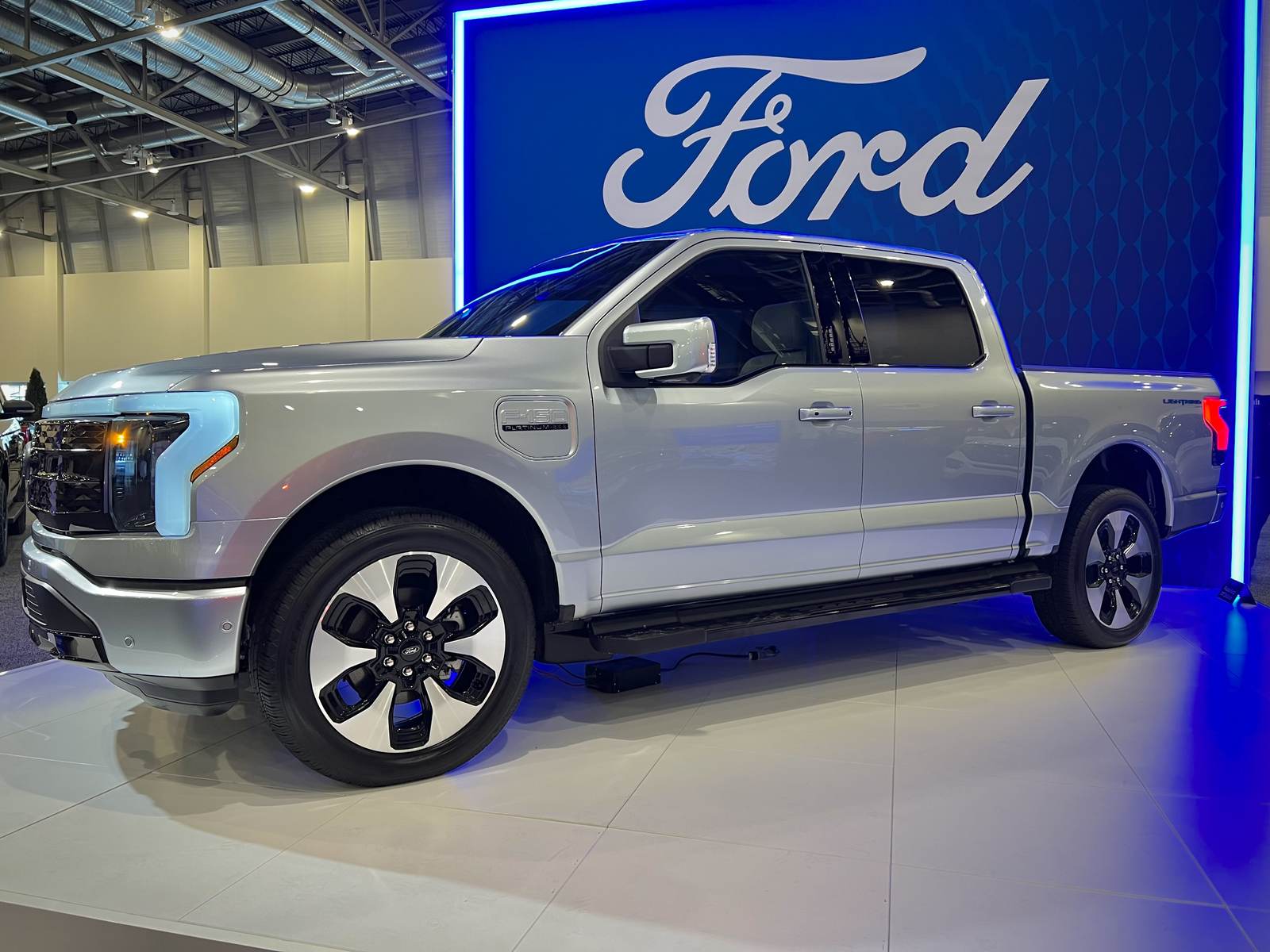
The sharpest difference is powertrain philosophy. Ford offers the segment's only full hybrid, the PowerBoost, which doubles as a generator — Pro Power Onboard can run tools or a campsite from the truck, a feature with no Chevrolet equivalent. Chevrolet offers the segment's only diesel, the Duramax, which is the long-distance tower's pick for its torque, efficiency and range. Neither truck offers both. If your use case names one of those two engines, the rivalry is already settled; everyone else is comparing trim ladders and incentive stacks.
Where the Discounts Hide
On the Silverado, follow GM's stack: consumer cash, APR programs, loyalty and trade offers, and — the one buyers miss — bonus cash attached to specific vehicles in stock by VIN or stock age, so two identical trucks on the same lot can carry different factory support. On the F-150, incentive weight concentrates on outgoing model years, high-stock trims and the volume XLT and Lariat grades, with Ford's APR offers sometimes worth more than its cash to a financing buyer. On both, the flagships — Raptor and ZR2 grades — hold closest to sticker because demand outruns allocation. The working method is identical either way: price both trucks at invoice level with our Ford invoice prices and Chevrolet invoice prices guides, then let the two stacks compete in out-the-door quotes gathered the same week, using the framework in how to negotiate from invoice price.
Frequently asked questions
Which truck tows more, the F-150 or the Silverado 1500?
On the manufacturers' published 2026 maximums, the F-150 — by 200 pounds, 13,500 against 13,300. But each maximum belongs to a single configuration (Ford's 3.5L EcoBoost; Chevrolet's Duramax diesel), per-engine ratings matter more than the headline, and the specific truck you buy carries its own rating on its door-jamb label, which can be far lower than either maximum.
Which is cheaper to buy, the F-150 or the Silverado?
Trim for trim, the stickers are close and the invoice spreads behave the same way, so the month's incentive stack usually decides it. GM's cash programs on the Silverado are often the richer stack; Ford's APR offers can be worth more to a buyer who finances. The only reliable answer is two out-the-door quotes on equivalent trims in the same week.
Does one truck carry more dealer margin than the other?
Not on published figures. The charts we compile put both brands' holdback at 3% of total MSRP, and both lines' invoice spreads grow with options in the same way. The negotiable difference between the two trucks is almost never the margin structure — it is the incentive stack sitting on top of it.
Which of the two holds its value better?
Both nameplates enjoy deep used-market demand, and in practice the configuration decides more than the badge: a mainstream crew-cab four-wheel-drive truck of either brand is the liquid, easy-to-sell specification, while regular cabs and niche trims face thinner used markets. Condition, mileage and service history move a used truck's price further than the emblem on its grille.
The Bottom Line on Ford F-150 vs Chevrolet Silverado
On hardware, the F-150 takes the towing headline by a whisker and offers the hybrid generator trick; the Silverado answers with the diesel and, in many months, the richer cash stack. The Chevrolet Silverado vs Ford F-150 badge decision is genuinely close — which is exactly why the money decision should not be made on the badge. Price both trucks at invoice level, gather both out-the-door quotes in the same week, and let the incentive stacks settle what fifty years of rivalry has not. That settles the Ford F-150 vs Chevrolet Silverado question on the evidence: pick the one that fits your life, then negotiate as if the other one were still on the table. Start at MyCarDiscount.com.

Get the number dealers start from.
Invoice, estimated true cost, out-the-door — before any dealer hears your name.