
Chevrolet Invoice Prices: Silverado, Equinox and Traverse
The Chevrolet invoice price is only the starting point — GM layers heavy factory incentives on top of the invoice, so the number is only half the story — but it is the half everything else is built on.
Key Takeaways
- Chevrolet invoice is the dealer's cost basis for every Silverado, Equinox and Tahoe on the lot.
- Published GM holdback figures conflict — a 3% figure and a GM formula both circulate, so estimates should be ranges.
- Factory incentives do much of the discounting work at Chevrolet; stack them on the invoice, not the sticker.
- Pull the exact invoice for your model and trim before you negotiate.
Chevrolet invoice prices are the dealer's cost basis for every Silverado, Equinox, and Tahoe on the lot, and knowing them changes a Chevrolet negotiation from guesswork into arithmetic. General Motors supports its prices with some of the industry's heaviest factory incentives, so the invoice is only half the story — but it is the half everything else is built on. This guide explains how Chevrolet invoice prices work, the conflicting published figures for GM holdback, destination charges, and how to get the exact invoice for the Chevy you want.
Pull up the Chevrolet make page for the model list, then work your deal in the calculator.
Chevrolet Invoice Prices at a Glance
| Item | What Chevrolet buyers should know |
|---|---|
| Invoice price | What the dealer paid GM for the vehicle as configured, including destination |
| Typical margin character | Mainstream percentage, large dollars on trucks and full-size SUVs |
| Holdback | Commonly published at 3% of total MSRP — a conflicting GM formula is disclosed below |
| Destination charge | Set by GM, identical at every dealer for the same model, in both MSRP and invoice |
| Incentive pattern | Among the heaviest in the industry: consumer cash, APR, bonus cash on selected inventory |
| Best first step | Price the exact trim, then separate vehicle price, factory incentives, and dealer discount |
How Chevrolet Invoice Pricing Works
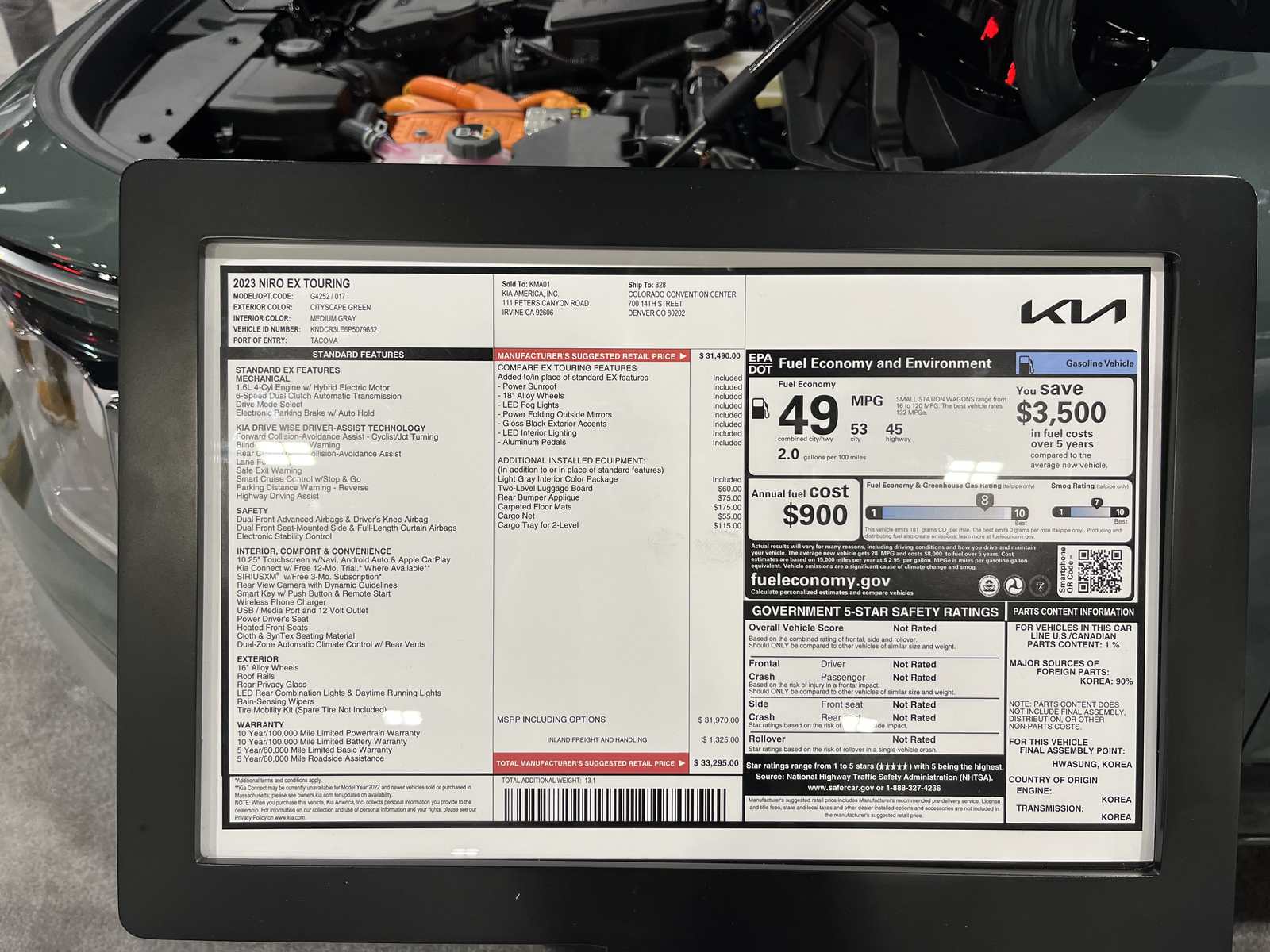
A Chevrolet factory invoice lists the base trim at its invoice cost, each factory option and package at invoice, and the destination charge. GM option packages bundle aggressively — driver assistance, convenience, and appearance groups — so the invoice spread between two trucks wearing the same trim badge can be wide once the window stickers differ. As with every make in this series, the number that matters is the invoice for the specific vehicle, not a model average.
Chevrolet also runs established set-price programmes. GM Employee Pricing and GM Supplier Pricing set formula prices for eligible buyers that are derived from the invoice, and GM periodically extends employee-style pricing to the general public as a promotional event. If you are eligible through an employer or a family member, obtain the programme price in writing; if a public employee-pricing event is running, recognise it for what it is — a formula price off the same invoice — and still compare it against a negotiated deal plus incentives, because the promotional price is not always the lowest route once stacking rules are examined.
Underneath the invoice sit holdback and factory-to-dealer money. Our primer on MSRP vs invoice price maps the layers, and dealer holdback explains the largest of them.
How Much Lower Are Chevrolet Invoice Prices Than MSRP?
Chevrolet's MSRP-to-invoice percentage is in the domestic mainstream band, and in dollars it behaves like Ford's: modest on a Trax or Malibu, substantial on a Silverado or Tahoe, and largest on heavily optioned, high-trim trucks and SUVs. Pricing guides describing individual Chevrolet models consistently show the dollar gap scaling with trim and options rather than with the nameplate, which is the pattern to expect across the line.
Where Chevrolet differs from most brands is what happens next. GM layers consumer cash, APR programmes, trade and loyalty offers, and bonus cash tied to specific inventory on top of the margin, and it adjusts that mix model by model and month by month. A slow-selling trim can carry factory support worth more than the entire sticker-to-invoice gap, while a hot Tahoe trim may carry almost none. That is why Chevrolet research must pair the invoice with the current incentive stack.
The live invoice and the programmes we can identify for your model are shown on our invoice pricing page, and we deliberately avoid printing static per-model dollar figures here that a mid-year price or programme change would falsify.
Chevrolet Holdback: 3% Published, With a Conflicting GM Formula
Holdback is what GM pays the dealer back after the vehicle sells, built into the invoice structure so that the dealer's real cost is lower than the printed invoice.
Two sources we rely on agree on Chevrolet: AutoCheatSheet's dedicated Chevrolet pricing guide states plainly that "Chevrolet's holdback is 3% of the total MSRP," and LegalClarity's dealer-pricing explainer puts Chevrolet with the domestic brands at typically 3% of total MSRP (both accessed October 2026). That is the figure this post uses.
Here is the conflict, shown rather than hidden: a secondary compilation syndicated through an Alibaba content site describes GM holdback as "1% of MSRP plus a $1,000 flat amount." On an expensive truck those formulas produce similar totals, but we could not corroborate the flat-fee formula in any other independent guide, and GM does not publish holdback terms for consumers. Treat 3% of total MSRP as the well-supported published figure and the alternative as unverified. Illustrative example only: at 3%, a Chevrolet with a $55,000 total MSRP carries about $1,650 of holdback.
For negotiation, the takeaway is unchanged: a Chevrolet sold at invoice still returns holdback to the dealer, and our analysis of whether invoice price is the dealer cost covers the rest of the below-invoice stack.
The Destination Charge on a Chevrolet
GM sets the destination charge for each Chevrolet model, every dealer pays the same amount, and it is embedded in both the MSRP and the invoice price. It cannot be waived at the store level and it is not a profit centre for the individual dealer in the way an added accessory is, so cross-shopping dealers over destination is wasted effort.
Your effort is better spent separating destination from the charges that do vary: documentation fees, which differ by dealer and state, and dealer-installed accessories or protection products, which are optional. The calculator compares quotes on the out-the-door total precisely so a low vehicle price cannot be quietly rebuilt with fees.
Chevrolet Invoice Prices by Popular Model
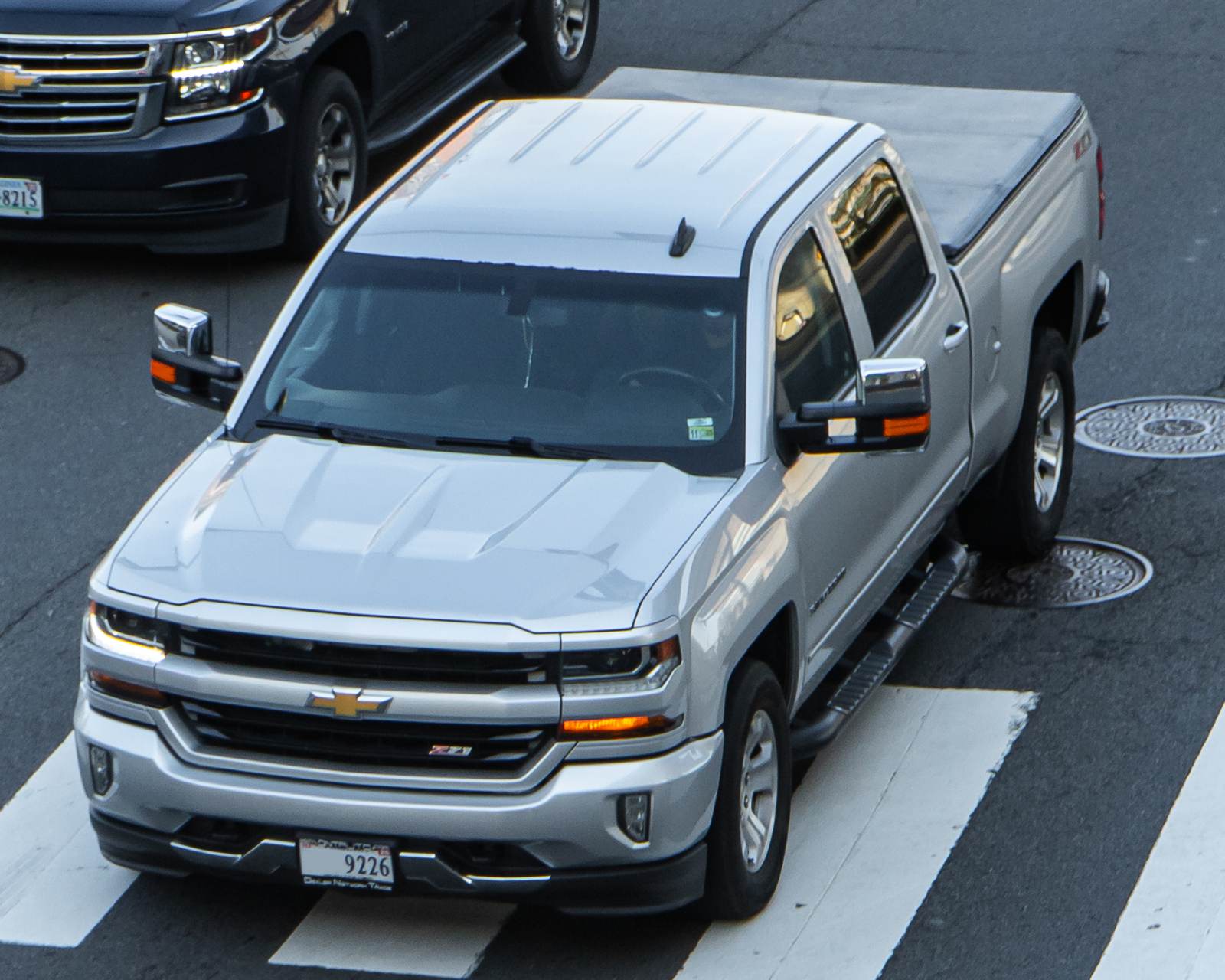
- Silverado 1500 — the volume and incentive centre of the brand. Cab, bed, engine, and trim create large invoice spreads, and GM programmes on Silverado are frequently the richest Chevrolet offers running.
- Tahoe and Suburban — full-size SUVs with high stickers and correspondingly large dollar gaps; high trims often carry leaner factory support because demand is strong.
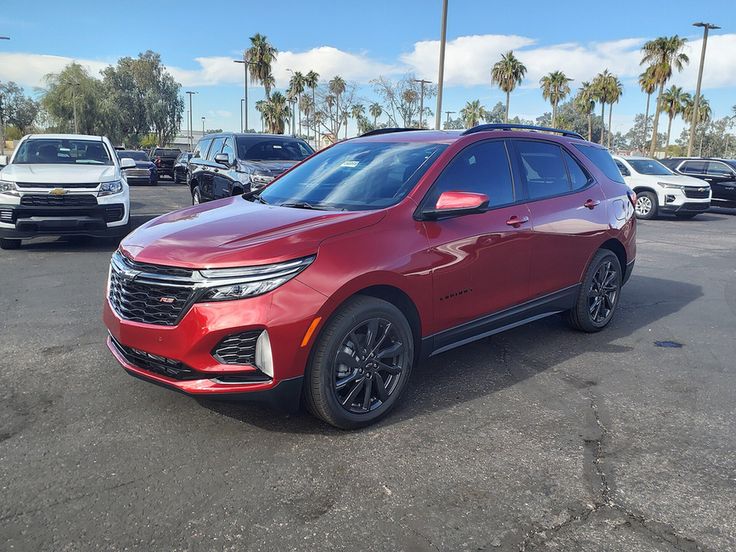
- Equinox — the family crossover, where APR and cash programmes alternate through the year and the deal is usually decided by which is worth more to you.
- Traverse — the three-row crossover; a mid-pack margin story where comparing two dealers' out-the-door quotes does most of the work.
- Trax — Chevrolet's entry-priced crossover, with small absolute margins; fees and accessories decide whether a Trax deal is good.
- Colorado — the mid-size truck, priced in the shadow of Silverado programmes; check whether a Colorado or a discounted full-size truck is the better value in the same month.
- Corvette — allocation governs everything. Invoice research here is mainly protection against markups and padded add-ons on a car many dealers sell at or above sticker.
Live per-trim numbers sit on the Chevrolet make page and in the invoice pricing tool. The method behind them is in how to find invoice price on a car.
How to Use MyCarDiscount for a Chevrolet
- From the makes index, select Chevrolet, then your model and trim.
- See the MSRP, the invoice price, and the estimated true dealer cost range — invoice minus holdback and the incentives we can identify — before you provide any contact information.
- In the calculator, build the out-the-door total twice if GM is offering a choice between cash and a special APR, so you can see which programme is actually worth more.
- Optionally, invite up to three named dealers you choose to quote the same vehicle, email-first. You already have the price; offers are the only thing the form is for.
Negotiating a Chevrolet With the Invoice in Hand
- Verify the current stack on Chevrolet's official site, because GM programmes change monthly, then unbundle it at the store.
- Unbundle GM's stack. A Chevrolet quote often blends the dealer discount, consumer cash, bonus cash, and a loyalty or trade programme into one attractive number. Ask for the selling price before incentives, then each programme by name, so you can tell the dealer's contribution from GM's.
- Check selected-inventory bonus cash. GM regularly attaches extra money to specific vehicles in stock, identified by VIN or stock age rather than by model. Two otherwise identical trucks on the same lot can carry different factory support.
- Compare the programme price against the negotiated price. Employee and supplier formula pricing is a strong reference, but a public incentive stack on a slow trim can occasionally beat it — and programme purchases can restrict which incentives stack.
- Mind the model-year calendar. Chevrolet's incentive weight rises on outgoing model years and on trims GM is repositioning; that is where deals below invoice legitimately happen. Our framework in how to negotiate from invoice price shows how to build the offer once you know the stack.
Frequently Asked Questions
What is Chevrolet's dealer holdback?
Published guides put Chevrolet holdback at 3% of total MSRP. A conflicting secondary source describes a GM formula of 1% of MSRP plus a flat fee; that version is unverified, and GM does not publish holdback terms for consumers. Holdback is paid to the dealer after the sale, so real dealer cost is below invoice.
Are Chevrolet invoice prices available for every trim?
Yes — invoice is generated per vehicle configuration, so every trim and option combination has its own figure. Use the lookup for the exact trim rather than relying on a model average, especially on Silverado, where options move the number most.
Do Chevrolet invoice prices include destination?
Yes, on every model. GM sets the destination charge at the factory, so it lands in both the MSRP and the invoice and does not vary from one Chevrolet store to the next. A dealer who offers to "waive destination" is really discounting something else — the charge itself is part of the vehicle's factory pricing.
Why are Chevrolet discounts sometimes bigger than the MSRP-to-invoice gap?
Because GM's factory incentives — consumer cash, bonus cash on selected inventory, loyalty and APR programmes — sit on top of the dealer margin. The negotiable pool on a Chevrolet is margin plus applicable factory money, which is why the incentive stack must be researched with the invoice.
The Bottom Line on Chevrolet Invoice Prices
Chevrolet invoice prices are the foundation, GM's incentive stack is the multiplier, and the 3% holdback below invoice is the dealer's cushion. Research all three together and a Chevrolet quote stops being a mystery number. Get the live Chevrolet invoice price for your trim free on MyCarDiscount, separate the factory money from the dealer discount, and let named dealers compete on the out-the-door total. Start at MyCarDiscount.com.
Get the number dealers start from.
Invoice, estimated true cost, out-the-door — before any dealer hears your name.