
Best Cars for Seniors: Easy Access, Views, Simple Controls
Best cars for seniors compared: the right car at 70 is about seat height, sightlines and buttons you can find without looking — this ranking scores the current field on exactly those measures.
Key Takeaways
- Rank by access, visibility, controls and headlights — the measures Consumer Reports weights for older drivers — not by power or screen size.
- Seat height is a sweet spot: compact SUVs like the Forester and CR-V seat at about hip height; test three unaided entries and exits in the actual car.
- The Subaru Forester leads the brief: thin pillars, tall glass, EyeSight standard and an IIHS Top Safety Pick+ rating, from $29,995.
- Insist on the safety suite as standard equipment — automatic emergency braking, blind-spot monitoring — and verify it on the specific car's window sticker.
Finding the best cars for seniors means weighing space, safety, running costs and price together — this guide ranks the contenders on exactly those terms. The right car at 70 is rarely the most powerful or the most connected. It is the one you can get into without a strategy, see out of without swiveling, and operate without a tutorial. Consumer Reports builds its senior-driver rankings on exactly those measures — front-seat access, visibility, intuitive controls and headlights — and this ranking adopts the same framework, then checks it against the current field's crash-test record and standard safety equipment. Every model below is a current 2026 vehicle with its driver-assistance suite standard, not optioned, because safety technology a buyer must remember to add is technology many cars on the road quietly lack. Whether you are shopping for yourself or helping a parent, these are the six that fit the brief — and the tests to run before believing any of them.
Best Cars for Seniors at a Glance
| Model | Starting MSRP | Safety headline | Senior-fit note |
|---|---|---|---|
| Subaru Forester | $29,995 | IIHS Top Safety Pick+ | The visibility pick — thin pillars, tall glass |
| Honda CR-V | $30,920 | Honda Sensing standard | Upright seating, easy step-in, calm controls |
| Toyota Camry | $29,600 | Toyota Safety Sense 3.0 standard | The sedan option — 51 mpg, familiar layout |
| Toyota RAV4 | $33,300 | Toyota Safety Sense 4.0, blind-spot monitoring standard | Hybrid smoothness, SUV seat height |
| Hyundai Tucson | $33,725 | IIHS Top Safety Pick+ and NHTSA 5-Star Overall | Top marks from both test bodies |
| Subaru Outback | $34,995 | EyeSight standard | Between sedan and SUV — wagon access, SUV clearance |
Prices are starting MSRPs before destination where the manufacturer excludes it; Tucson shown at its XRT AWD trim price. Sourcing for every figure is in this draft's header record.
The Four Tests That Matter More Than the Badge
Seat height is a sweet spot, not a maximum. Too low, and every entry is a controlled fall and every exit a climb out of a bucket. Too high, and entry becomes a step up that asks more of hips and knees than they may offer. The middle — most compact SUVs, the Forester and CR-V among them — lets a driver slide across at roughly hip height, feet swinging in without a drop or a hoist. No spec sheet publishes seat height usefully, which is why the test at the end of this section matters: sit down and stand up in the actual car, three times, before anything else.
Visibility is a safety system. Consumer Reports' testers single out the Forester because its pillars are thin and its glass is tall — a driver can check a shoulder, a cyclist or a parking bollard by moving eyes, not torso. Thick pillars, high window lines and small rear glass are styling choices that charge interest on every lane change for the life of the car. Night visibility counts double: IIHS builds headlight performance into its top awards, so a Top Safety Pick+ badge quietly certifies the headlights as well as the crash structure.
Controls you can find without looking. The honest test of a modern dashboard: at 60 mph, in gloves, can you raise the heat, clear the windshield and change the radio volume by touch? Cars that bury those functions three menus deep in a touchscreen fail it regardless of screen size. Prefer finalists with physical knobs for volume and temperature, a real gear selector pattern you can work by feel, and driver-assistance controls on the wheel where the thumbs live.
Standard safety kit, verified on the sticker. Automatic emergency braking, blind-spot monitoring and lane-keeping support genuinely compensate for slower neck rotation and longer night reaction times — our safest new cars explained guide details how the systems and ratings fit together. Every model on this page fits its suite as standard equipment; confirm it on the specific car's window sticker anyway, because trim-level exceptions still exist across the industry.
The Shortlist
Subaru Forester — the visibility benchmark. CR's praise for the Forester's thin pillars and tall glass describes the car older drivers consistently describe as easy to see out of, and its upright seating hits the access sweet spot. EyeSight assistance is standard, the 2026 model is an IIHS Top Safety Pick+, and it starts at $29,995 — the strongest all-round senior brief at the lowest price here.
Honda CR-V — the calm default. The CR-V's wide doors, upright seats and unhurried control layout make it the compact SUV that asks the least adaptation of a driver changing cars after a decade. Honda Sensing is standard from the $30,920 base model. Shoppers torn between the two Japanese staples will find our Toyota RAV4 vs Honda CR-V comparison directly on point.
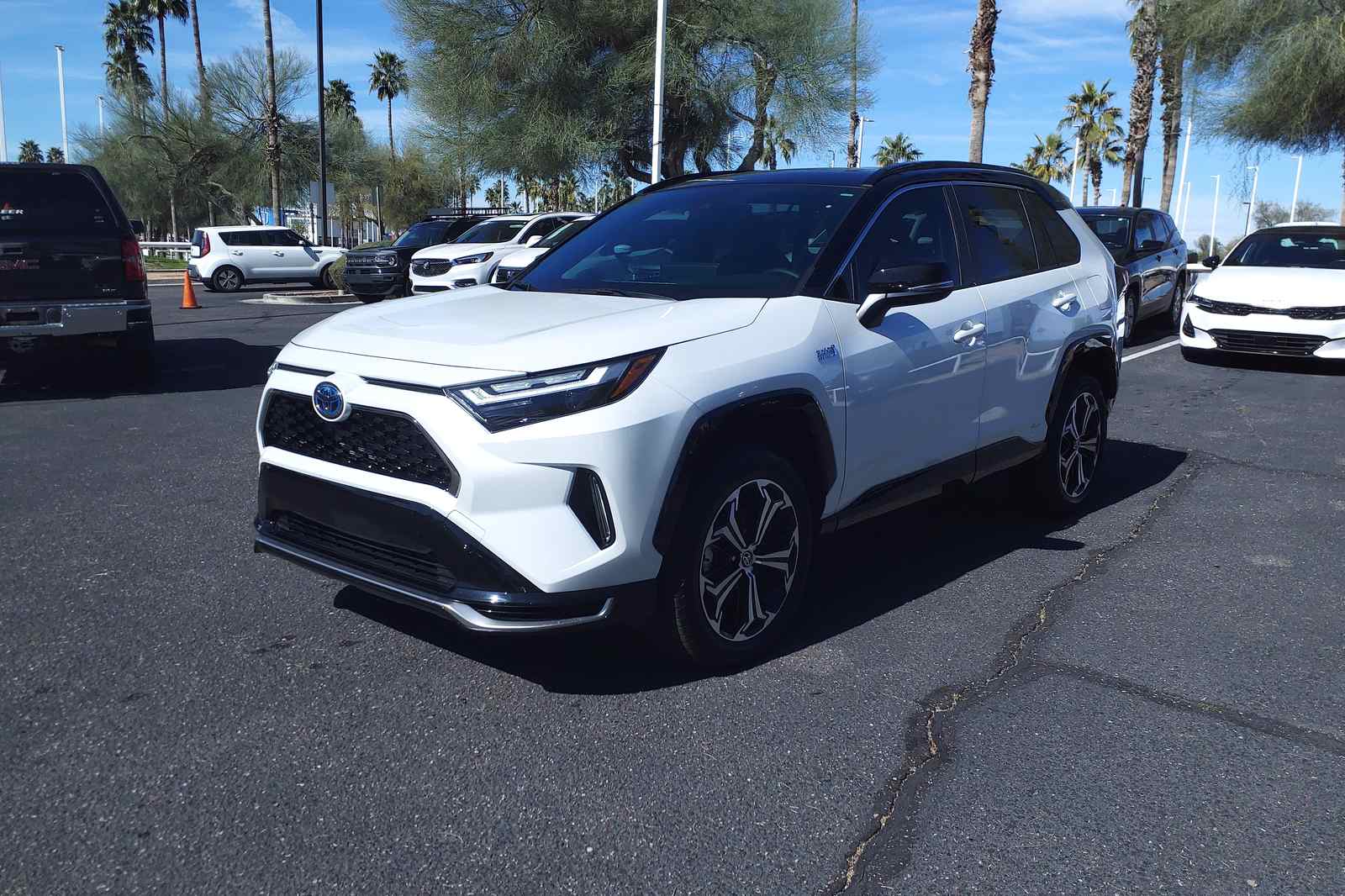
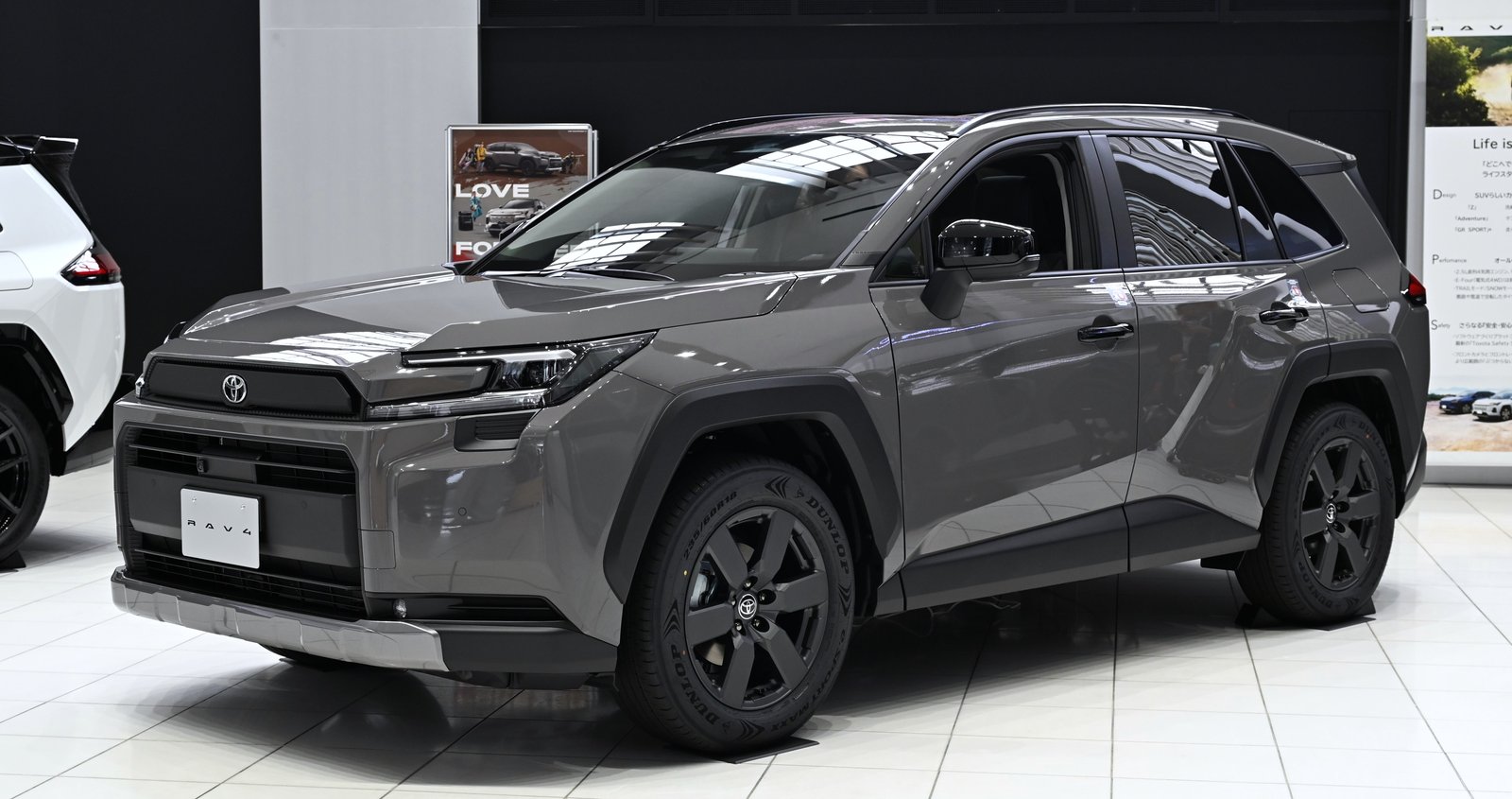
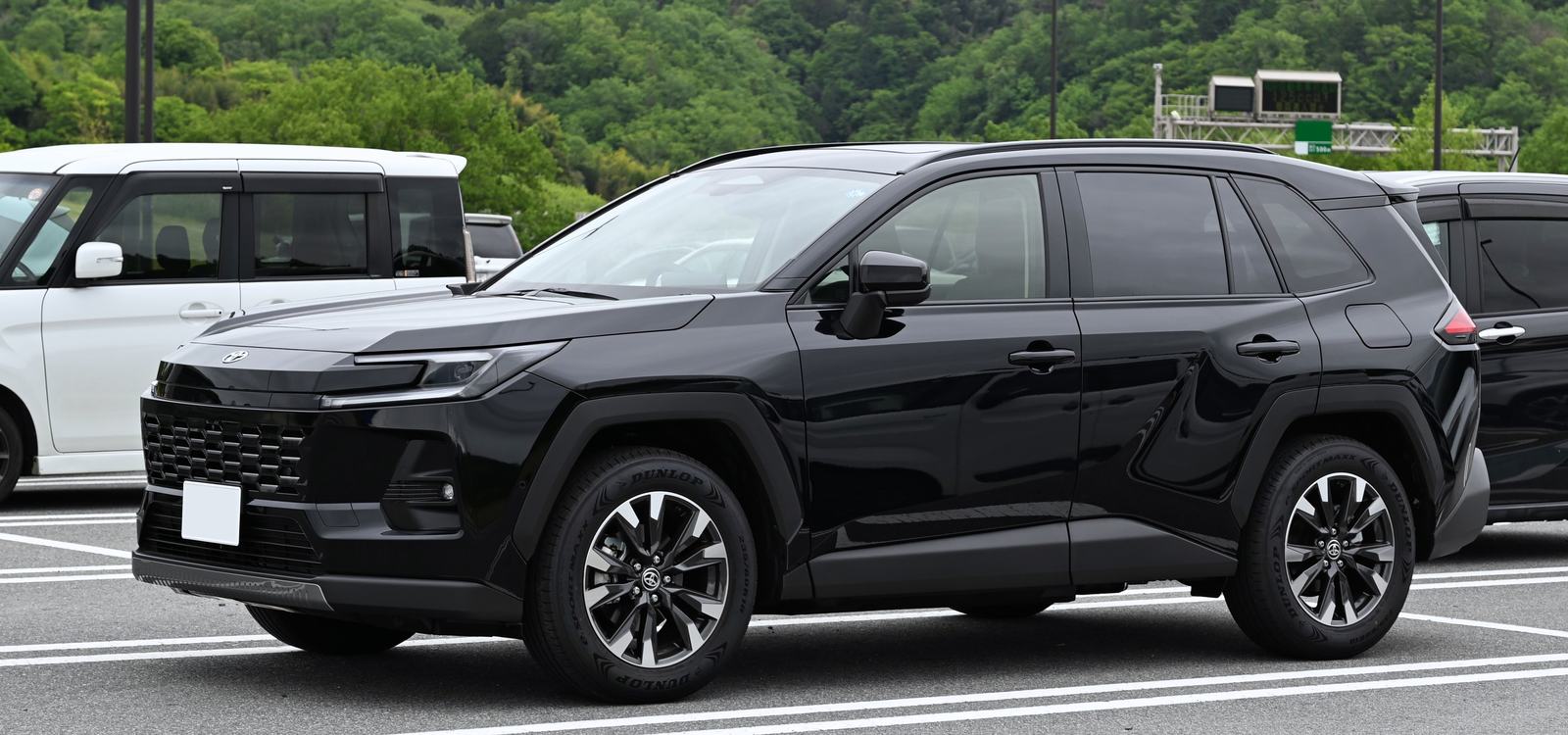
Toyota RAV4 — the hybrid step up. The 2026 RAV4 is hybrid-only, which buys quiet, smooth low-speed manners and fewer fuel stops, with Toyota Safety Sense 4.0 and blind-spot monitoring standard. AWD models start at $33,300. Its seat height suits drivers who find the CR-V a touch low, and the best hybrid SUVs ranking covers its efficiency case in full.
Hyundai Tucson — the double-certified pick. The Tucson is the only model here carrying both the IIHS Top Safety Pick+ designation and a NHTSA 5-Star Overall Safety Rating for 2026, a combination that simplifies the safety conversation to one line. Shown at $33,725 for the XRT AWD, it pairs that record with a dashboard that keeps physical controls for the everyday functions.
Subaru Outback — the in-between answer. For drivers who find SUVs tall and sedans low, the Outback's wagon seat height splits the difference, with EyeSight standard and the lowest loading floor of the crossovers here for walkers, groceries and golf bags. From $34,995.
Toyota Camry — the sedan that still works. Not everyone wants or needs an SUV. The Camry keeps a familiar, lower driving position, adds standard Toyota Safety Sense 3.0, and its hybrid-only range delivers up to 51 mpg combined from $29,600 — the running-cost pick for fixed-income math. It suits drivers whose joints still handle a sedan's entry happily and who value the smaller footprint in parking lots. It also appears in our wider best midsize SUVs conversation as the sedan alternative midsize shoppers cross-shop.
Frequently Asked Questions
What seat height is easiest for older drivers?
The middle of the market: most compact SUVs seat the driver at about hip height, allowing a slide-across entry with feet reaching the ground naturally — no dropping into a low sedan bucket and no climbing onto a truck-height perch. The exact right height depends on the driver's own hip height and mobility, so test entry and exit physically, several times, in every finalist. If a car needs a running board to board comfortably, it is too tall for this brief.
Are driver-assistance systems worth it for senior drivers?
Yes — the evidence-backed ones are. Automatic emergency braking, blind-spot monitoring and rear cross-traffic alerts directly offset the two changes age brings: slower shoulder checks and reduced night contrast sensitivity. Consumer Reports weights standard safety technology heavily in its mature-driver picks for this reason. Convenience features like lane centering are secondary; the protective systems are the ones to insist on as standard equipment.
Is an SUV or a sedan better for a senior driver?
It depends on the driver's joints, not their age. Compact SUVs win on entry height and sightlines for most drivers with hip or knee limitations. Sedans like the Camry win on price, fuel cost and parking ease for drivers who still enter a low car comfortably. The deciding test is personal: three unaided entries and exits, in the actual car, on the actual day — not the badge on the back.
How should a senior driver test visibility and controls on a test drive?
Run a fixed routine. From the driver's seat, check over both shoulders and note what the pillars hide. In a parking lot, reverse toward a low obstacle using mirrors and camera together. At speed, adjust the temperature, the fan and the volume wearing driving gloves, without looking down. Then drive a familiar route at dusk if the dealer allows. A car that passes all four tests will still feel easy in year five; one that fails will not improve with familiarity.
The Bottom Line on the Best Cars for Seniors
Judge by access, sightlines, controls and headlights — the measures Consumer Reports weights and the ones that decide whether a car stays easy for a decade. The Forester leads on visibility and value, the CR-V and RAV4 cover the compact-SUV middle two ways, the Tucson brings both top safety verdicts, the Outback splits the height difference, and the Camry proves the sedan is not done. Run the sit-down test in each finalist, verify the safety suite on the sticker, then compare the survivors on price. The best cars for seniors compared in this guide are the ones that fit your life and your budget together — shortlist from the top cars for seniors here, then drive your finalists back to back. Start at MyCarDiscount.com.
Get the number dealers start from.
Invoice, estimated true cost, out-the-door — before any dealer hears your name.