
Safest New Cars: IIHS Top Safety Picks and NHTSA Stars
Safest new car, by the labels: two rating systems, four crash tests that matter, and a list that changes yearly — this guide names the current top-rated models and teaches buyers to read the labels themselves.
Key Takeaways
- IIHS and NHTSA grade different things: IIHS runs harder crash tests plus headlights and crash prevention; NHTSA adds the rollover rating IIHS does not publish.
- The 2026 IIHS list totals 71 winners — 53 Top Safety Pick+ and 18 Top Safety Pick — under criteria that now require a good rating in the updated moderate overlap test.
- Build dates are part of the award: a Kia Sorento built before the September 2025 production change does not carry it, so check the door-jamb date on the exact car.
- No minivan earned either 2026 award, with rear-seat protection the sticking point — weigh the individual test scores, not the badge alone, for family picks.
One subject runs through this whole guide: safest new cars. What follows explains it in plain English, with the numbers attached. Two organizations grade the safety of the same cars, and they do not always agree. The Insurance Institute for Highway Safety (IIHS), funded by auto insurers, hands out Top Safety Pick and Top Safety Pick+ awards. The National Highway Traffic Safety Administration (NHTSA), a federal agency, assigns one to five stars. A car can earn the IIHS plus and four NHTSA stars, or five stars and no IIHS award at all — because the two systems run different tests, weigh different things and update on different schedules. This guide explains what each one actually measures, names the 2026 IIHS winners as published through October 2026, and shows you how to check any specific car in about two minutes.
The Safest New Cars at a Glance
| IIHS Top Safety Pick / Pick+ | NHTSA 5-Star Safety Ratings | |
|---|---|---|
| Run by | Insurance-industry nonprofit | Federal government (part of the US DOT) |
| Top mark | Top Safety Pick+ | Five stars overall |
| Core tests | Small overlap front, moderate overlap front, side crash tests; headlights; front crash prevention | Frontal crash, side crash, rollover resistance |
| Ratings scale | Good / Acceptable / Marginal / Poor per test | One to five stars per test and overall |
| Updated | Awards reset every year, criteria keep tightening | Star ratings issued per model year |
| 2026 snapshot | 71 winners — 53 at Pick+, 18 at Pick (October 2026) | Hundreds of rated configurations |
What IIHS Tests, and Why It Keeps Getting Harder
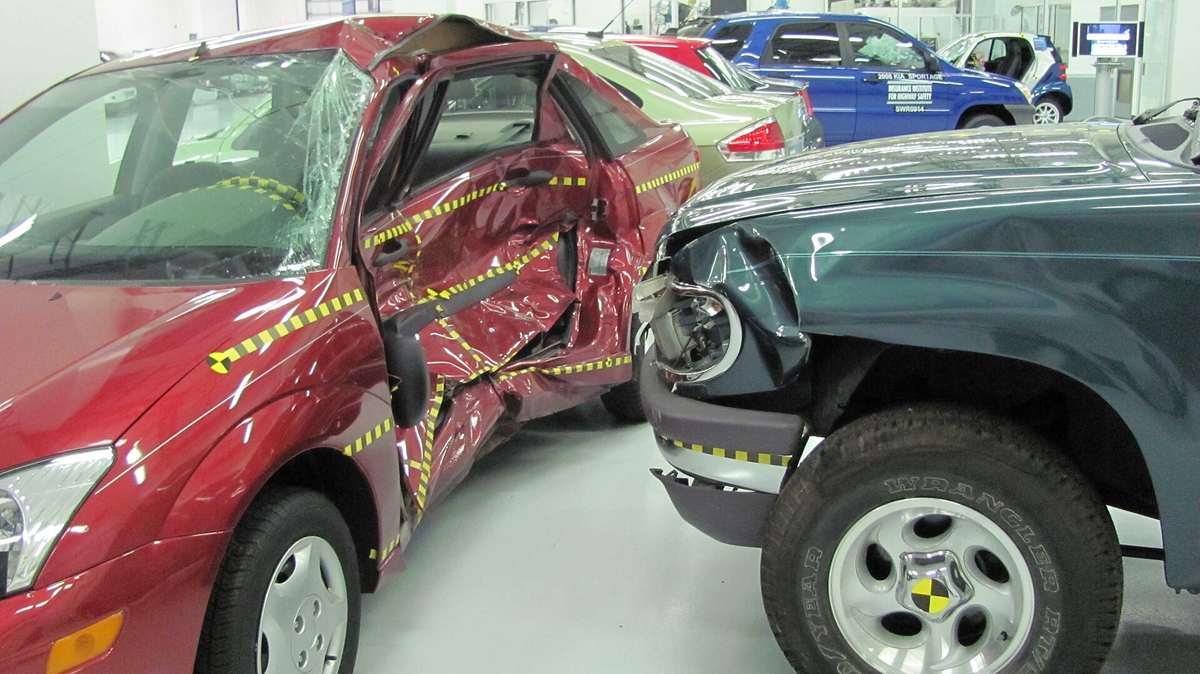
IIHS built its reputation on crash tests more demanding than the federal minimums. Three crashworthiness tests anchor the 2026 awards. The small overlap front test slams just a quarter of the car's front into a barrier, mimicking a corner-to-corner collision or a tree strike. The moderate overlap front test was updated in 2022 to add a rear-seat dummy, after IIHS found back-seat occupants — often children — were dying in crashes the front-seat ratings said were survivable; for 2026, a good rating in this test is required for either award, where an acceptable once sufficed for the base award. The side test uses a heavier, faster barrier than before to simulate being T-boned by today's tall SUVs.
Beyond crashing, IIHS grades headlights — a winner's standard headlights must rate acceptable or good on every trim, because earlier years let makers save the good lamps for expensive versions — and front crash prevention. For the base Top Safety Pick, the standard pedestrian-detection system must rate acceptable or good. The plus adds two hurdles: a good pedestrian rating, and an acceptable or good score in the new vehicle-to-vehicle 2.0 evaluation, which runs the car at 31, 37 and 43 mph toward stationary passenger-car, motorcycle and semitrailer targets and scores whether it warns in time and brakes hard enough to avoid or soften the hit.
The 2026 IIHS Winners
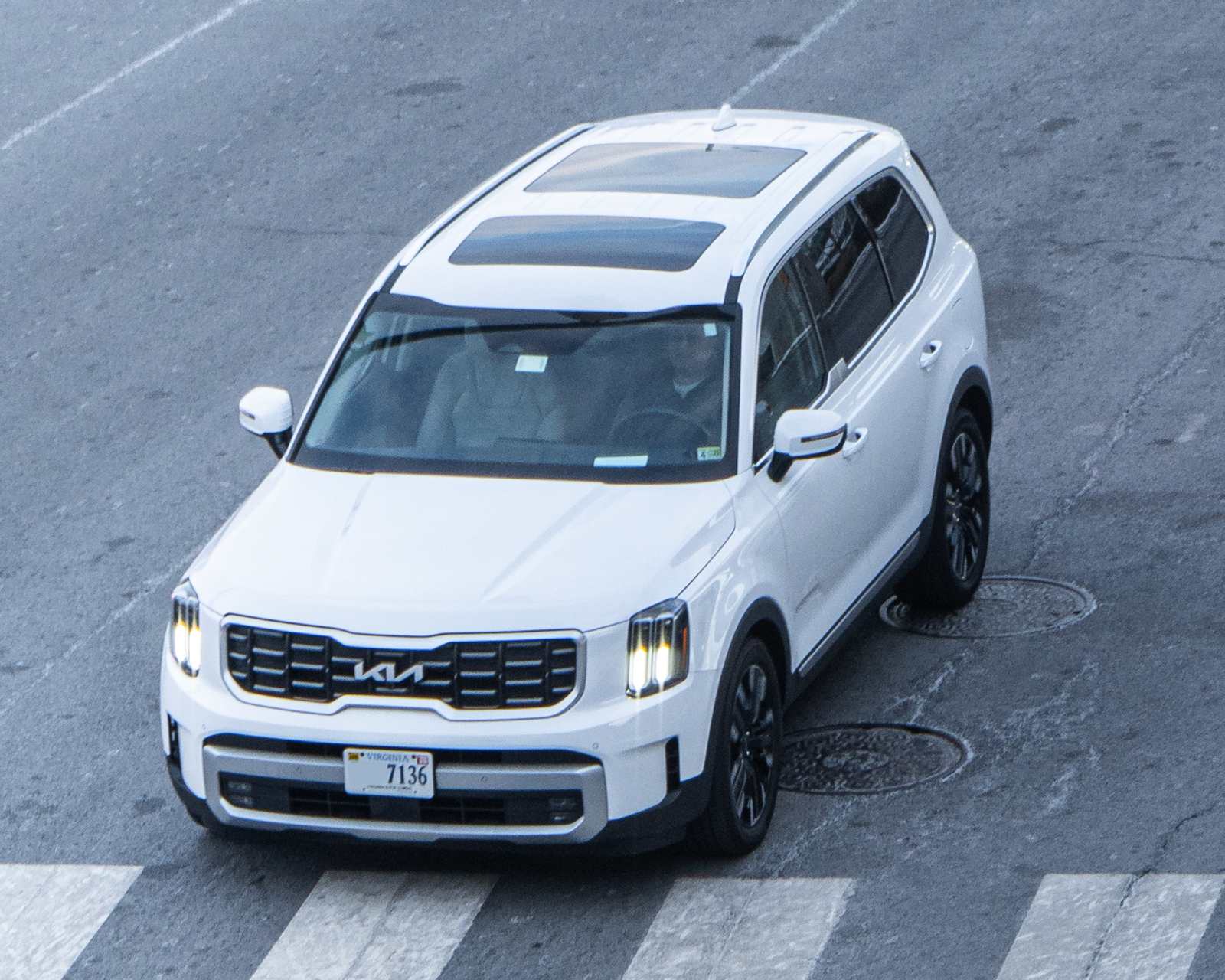
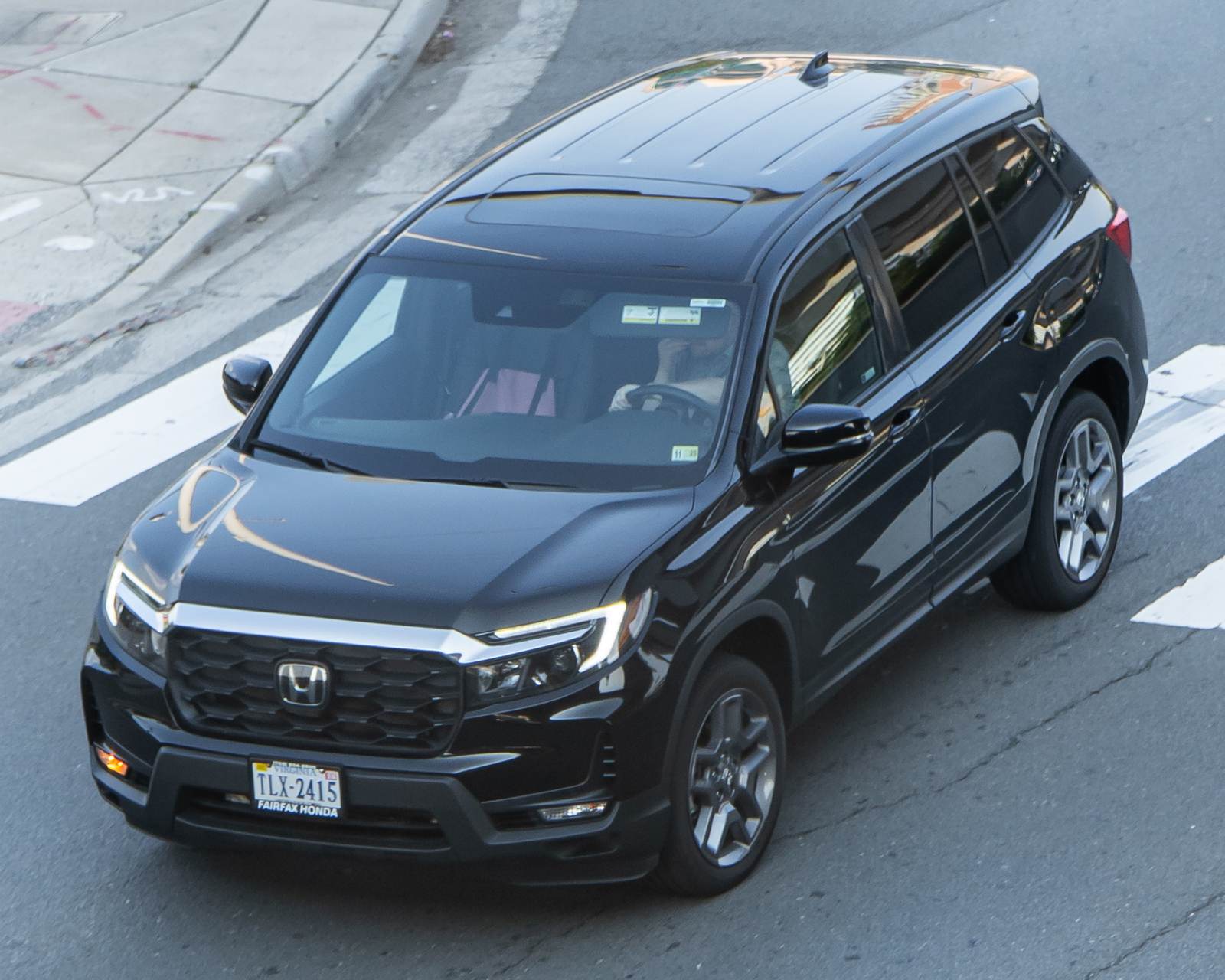
This safest new cars guide counts, as published through October 2026, 71 models holding a 2026 award — 53 Top Safety Pick+ and 18 Top Safety Pick. The Pick+ roster by class: small cars — Kia K4, Mazda3 (sedan and hatchback), Nissan Sentra, Toyota Prius. Midsize cars — Hyundai Sonata, Toyota Camry. Midsize luxury cars — Audi A5. Large luxury cars — the 2026 Audi A6, the 2027 Audi A6 Sportback e-tron and the Genesis G80 (built after June 2025). Small SUVs — Genesis GV60, Honda HR-V, Hyundai Ioniq 5, Hyundai Kona, Hyundai Tucson, Kia Sportage (built after May 2025), Mazda CX-30, Mazda CX-5, Mazda CX-50, Subaru Crosstrek Hybrid, Subaru Forester. Small luxury SUVs — BMW X1. Midsize SUVs — Honda Passport, Hyundai Ioniq 9, Hyundai Palisade (built after November 2025), Hyundai Santa Fe, Kia EV9, Kia Sorento (built after September 2025), the 2027 Kia Telluride (built after June 2026), Mazda CX-70 and CX-70 PHEV, Mazda CX-90 and CX-90 PHEV, Nissan Murano, Nissan Pathfinder, Subaru Ascent, Subaru Outback. Midsize luxury SUVs — Audi Q5 and Q5 Sportback, 2027 Audi Q6 e-tron and Q6 Sportback e-tron, BMW X3, BMW X5, Genesis Electrified GV70, Genesis GV70, Genesis GV80, Infiniti QX60, Lexus NX, Tesla Model Y. Large SUVs — Rivian R1S, Volvo EX90. Large pickup — Tesla Cybertruck.
The plain Top Safety Pick tier adds the Honda Civic hatchback and Hyundai Elantra; the Honda Accord; the Mercedes-Benz C-Class; the Nissan Kicks (built after June 2026); the Buick Enclave, Ford Explorer, Ford Mustang Mach-E, Volkswagen Atlas and Atlas Cross Sport; the Lincoln Nautilus, Mercedes-Benz GLC, Volvo XC90 and Volvo XC90 Plug-in Hybrid; the Audi Q7, Infiniti QX80 and Nissan Armada; and the Toyota Tundra crew cab. Two cautions matter. First, those build dates are real: a Sorento built before the September 2025 production change does not carry the award, so check the door-jamb build date on the exact car. Second, the headline story of 2026 is an absence — no minivan earned either award, with IIHS pointing to rear-seat protection as the sticking point. A minivan is not suddenly dangerous; it means the current crop did not clear this year's higher rear-occupant bar, and family shoppers should weigh the individual test scores rather than the badge alone — our guides to the best cars for car seats and best cars for seniors dig into those occupant-specific details.
What NHTSA Tests, and What the Stars Mean
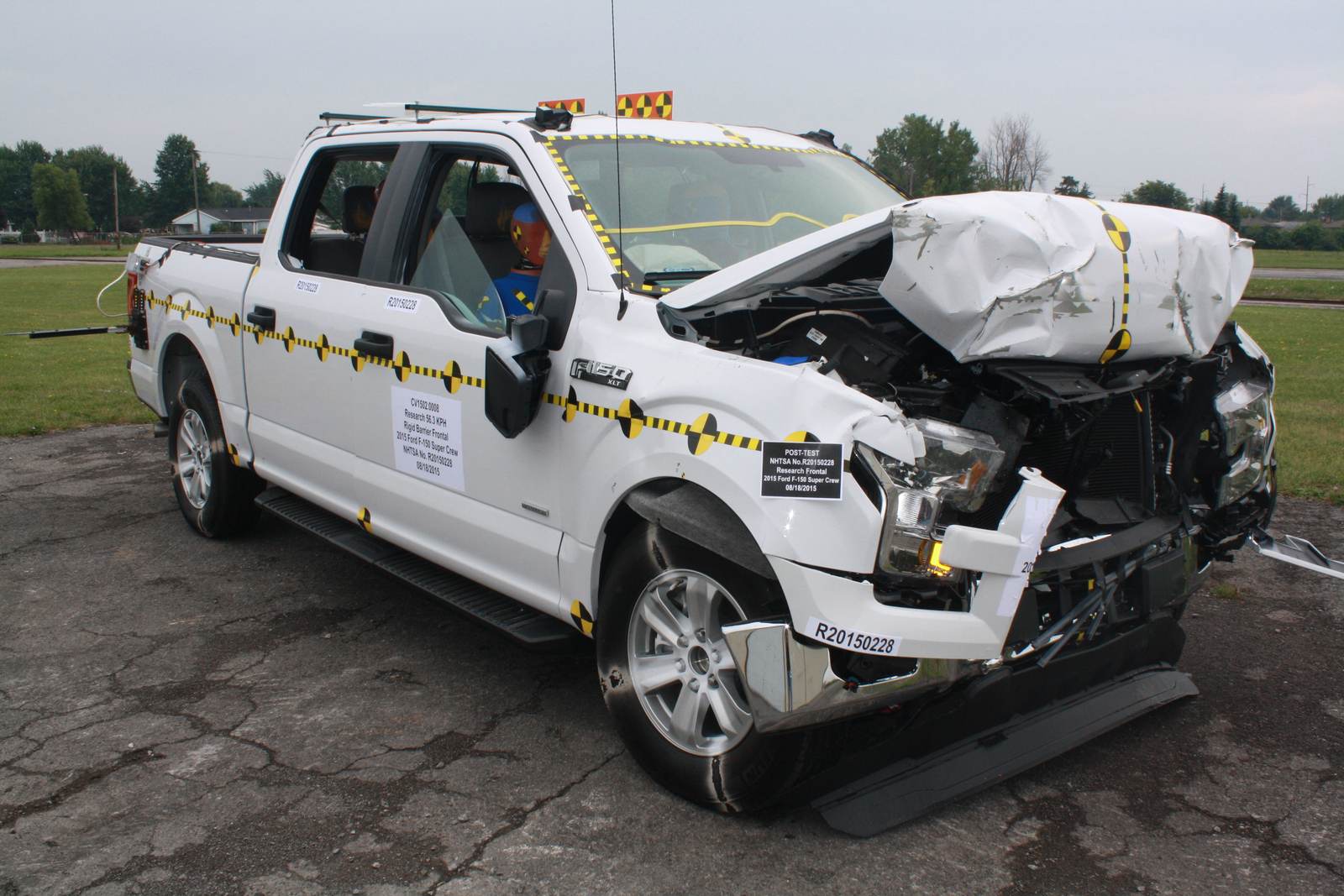
NHTSA's New Car Assessment Program predates IIHS testing and still anchors the window sticker. Its overall star rating blends three results: a frontal crash test (full-width barrier at 35 mph), side crash tests (a moving barrier plus a pole test that simulates sliding into a tree), and a rollover resistance rating derived from the vehicle's measured center of gravity and a dynamic tip test for SUVs and pickups. Five stars overall is the ceiling; individual categories can and do differ — a model can be five stars overall with a four-star rollover score, which is the line truck-based buyers should read first.
The stars' limits are about comparison. NHTSA advises that frontal ratings are most meaningful between vehicles of similar size and weight, because physics does not grade on a curve: in a head-on between a five-star compact and a four-star full-size SUV, mass still matters. IIHS says the same about its own ratings. Neither system tests rear-impact whiplash as a headline score (IIHS folds seat and head-restraint results into its evaluations), neither measures how a car treats the occupants of the other vehicle, and both grade the exact model year tested — a redesign or running change restarts the verdict.
How to Check Any Car Yourself
Ratings are only useful at the level of the specific car on a specific lot, so make this a two-minute habit. On the IIHS site, search by year, make and model and read the individual test grades, not just the award banner — a good small-overlap score with marginal headlights tells you exactly which trim question to ask. On NHTSA's ratings site, pull the same model year and compare the overall stars with the rollover line, and note whether the configuration tested matches the drivetrain you are buying. Then cross-check the two: agreement between systems is the strongest signal available to a buyer, and disagreement usually traces to one test — the IIHS moderate-overlap rear-seat result or the NHTSA rollover score are the usual suspects. If a car is a family pick, read the rear-seat and child-seat-anchor details before the marketing page; our best family SUVs roundup applies the same evidence-first approach to space and usability.
Frequently Asked Questions
What is the difference between Top Safety Pick and Top Safety Pick+?
Both require good ratings in the IIHS small overlap, updated moderate overlap and side crash tests, plus acceptable or good headlights across all trims. The plus additionally demands a good rating (not merely acceptable) in pedestrian front crash prevention and an acceptable or good rating in the vehicle-to-vehicle 2.0 crash prevention test. For 2026 that makes the plus primarily a better crash-avoidance award layered on identical crashworthiness.
Is IIHS or NHTSA more trustworthy?
They measure different things, so use both. IIHS tests are generally more demanding — the small overlap crash and the rear-seat focus have no federal equivalent — and its awards reset annually against rising standards. NHTSA's stars are the broader public baseline, include a rollover rating IIHS does not publish, and cover nearly everything sold. A model that tops both systems has passed the two toughest independent checks available.
No minivan won an IIHS award in 2026 — are minivans unsafe?
Not in any absolute sense: every minivan on sale passes all federal safety standards. It means none met IIHS's tightened 2026 criteria, with rear-seat occupant protection in the updated moderate overlap test the recurring weak point — a meaningful signal if your kids ride in back, and one reason IIHS suggests three-row SUV winners as alternatives for safety-first families this year.
Do safety ratings from a previous model year still apply?
Treat them as a starting hint, not a verdict. Awards are earned per model year and criteria tighten — a 2024 winner might not qualify under 2026 rules — and mid-cycle production changes can split a single model year, as with the 2026 Kia Sorento and Sportage build-date qualifiers. Always check the rating for the exact year and, where noted, the build date of the car in front of you.
The Bottom Line on the Safest New Cars
Read IIHS for crashworthiness and crash-avoidance depth, NHTSA for the rollover line and broad coverage, and the exact model year for both. The 2026 IIHS list — 53 Top Safety Pick+ and 18 Top Safety Pick winners as of October 2026 — is the strongest shortlist ever published under the toughest criteria yet, and it spans $23,000 commuters to flagship EVs, which means safety no longer requires a luxury budget. Pick your class from the winners, verify the build date, then compare prices on the finalists. That is the complete picture on the safest new cars explained — know it before you negotiate, and the rest of the deal gets easier. Start at MyCarDiscount.com.
Get the number dealers start from.
Invoice, estimated true cost, out-the-door — before any dealer hears your name.