Volkswagen Invoice Prices: Tiguan, Atlas, Taos and Jetta
Volkswagen dealer invoice price, model by model: VW prices its SUVs to undercut the Japanese brands at sticker — this page shows whether the gap survives at invoice.
Key Takeaways
- VW holdback is published at 2% of base MSRP — about $700 on a $35,000 base MSRP (illustrative) — so a deal at invoice leaves the dealer the holdback plus program money.
- VW's invoice spread is a mainstream percentage comparable to Toyota and Honda; the sticker advantage survives because the whole price line, invoice included, sits lower.
- The real discounting energy is factory support: APR programs, lease support and periodic bonus cash layered on top of the spread.
- The Atlas carries the largest dollar spreads; the Tiguan is where invoice research converts most reliably, thanks to volume and direct RAV4/CR-V rivalry.
This guide is built around Volkswagen invoice prices — the figures behind the sticker, and how to use them when you negotiate. Volkswagen's pitch in America has always been arithmetic: SUV space and German engineering priced a step below the Japanese brands it hunts. The question this page answers is whether that gap survives at invoice — whether VW dealers buy their cars enough cheaper, proportionally, to leave the buyer real room below sticker, or whether the sticker gap is the whole story and the invoice spread underneath is the industry standard. The invoice price is what the dealer paid Volkswagen for the vehicle as configured, and on VW the answer is a useful hybrid: a mainstream invoice spread, a 2% holdback, and an incentive culture that has historically done more of the discounting than the margin itself. This guide prices the structure for the four volume VWs — Tiguan, Atlas, Taos and Jetta. Model-by-model shopping context is in our Volkswagen buying guide; pull the exact figure for your build on the invoice pricing page.
Volkswagen Invoice Prices at a Glance
| Item | What Volkswagen buyers should know |
|---|---|
| Invoice price | What the dealer paid VW for the vehicle as configured, including destination |
| Typical margin character | Mainstream percentage spread — the room is real but unremarkable; incentives do the heavy lifting |
| Holdback | Published at 2% of base MSRP (see below) |
| Destination charge | Set by VW, the same at every dealer for the same model, in both MSRP and invoice |
| Incentive pattern | Historically aggressive for a European brand — APR programs, lease support and periodic bonus cash |
| Best first step | Price the exact trim, then check VW's current program money before setting a target |
Volkswagen Invoice Prices by Model
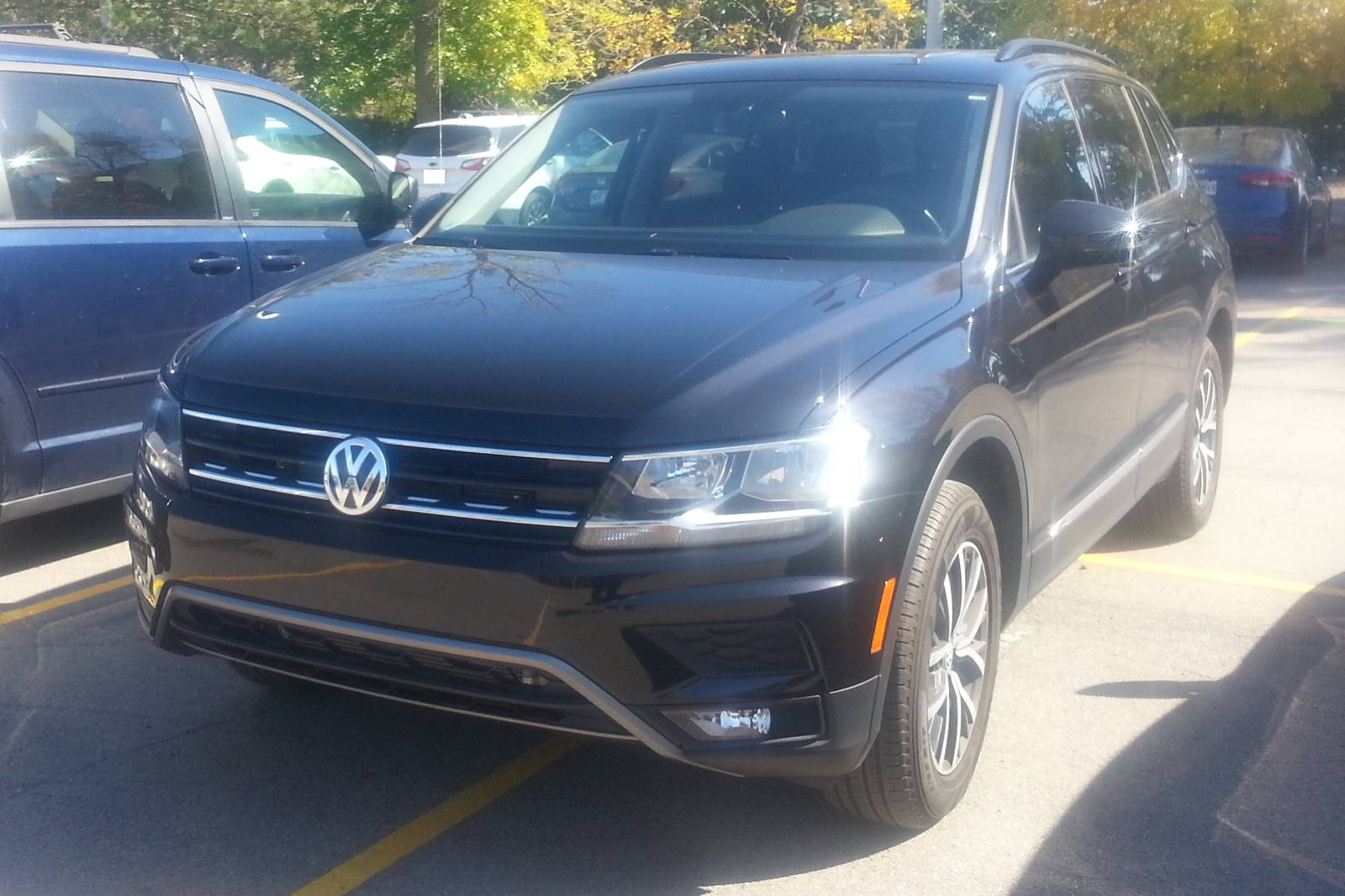
- Tiguan — the compact SUV at the center of VW's range, redesigned for 2025 with a stronger turbocharged engine and a cabin that finally matches its price, and carrying a new high-output turbo trim for 2026. It cross-shops the RAV4 and CR-V directly, usually at a lower sticker, and it is the VW with the most competing inventory on most lots. Volume plus direct Japanese rivalry makes the Volkswagen Tiguan invoice price the one where invoice research converts to a deal most reliably.
- Atlas — the three-row family SUV, sold alongside its two-row Atlas Cross Sport sibling on the same bones. The Atlas carries the largest stickers among mainstream VWs and therefore the largest dollar spreads, and family-SUV buyers cross-shopping Highlanders and Pilots give VW dealers a standing reason to compete. The Volkswagen Atlas invoice price is where per-build invoice research pays back most here, especially on the upper trims where option content inflates the sticker faster than the invoice.
- Taos — the subcompact entry SUV, priced against the Trax, Crosstrek and Corolla Cross. Small stickers mean small spreads in dollars; on a Taos the negotiation is decided by fees, add-ons and whatever program money VW is running that month, more than by the vehicle's own margin.
- Jetta — the surviving sedan, with the sportier GLI beside it, holding a segment most brands have abandoned. The Jetta's invoice behavior is sedan-typical: a modest percentage spread, thin competition among VW stores on price, and value concentrated in VW's financing offers. Sedan loyalists will find the GLI's spread similar in percentage and larger in dollars.
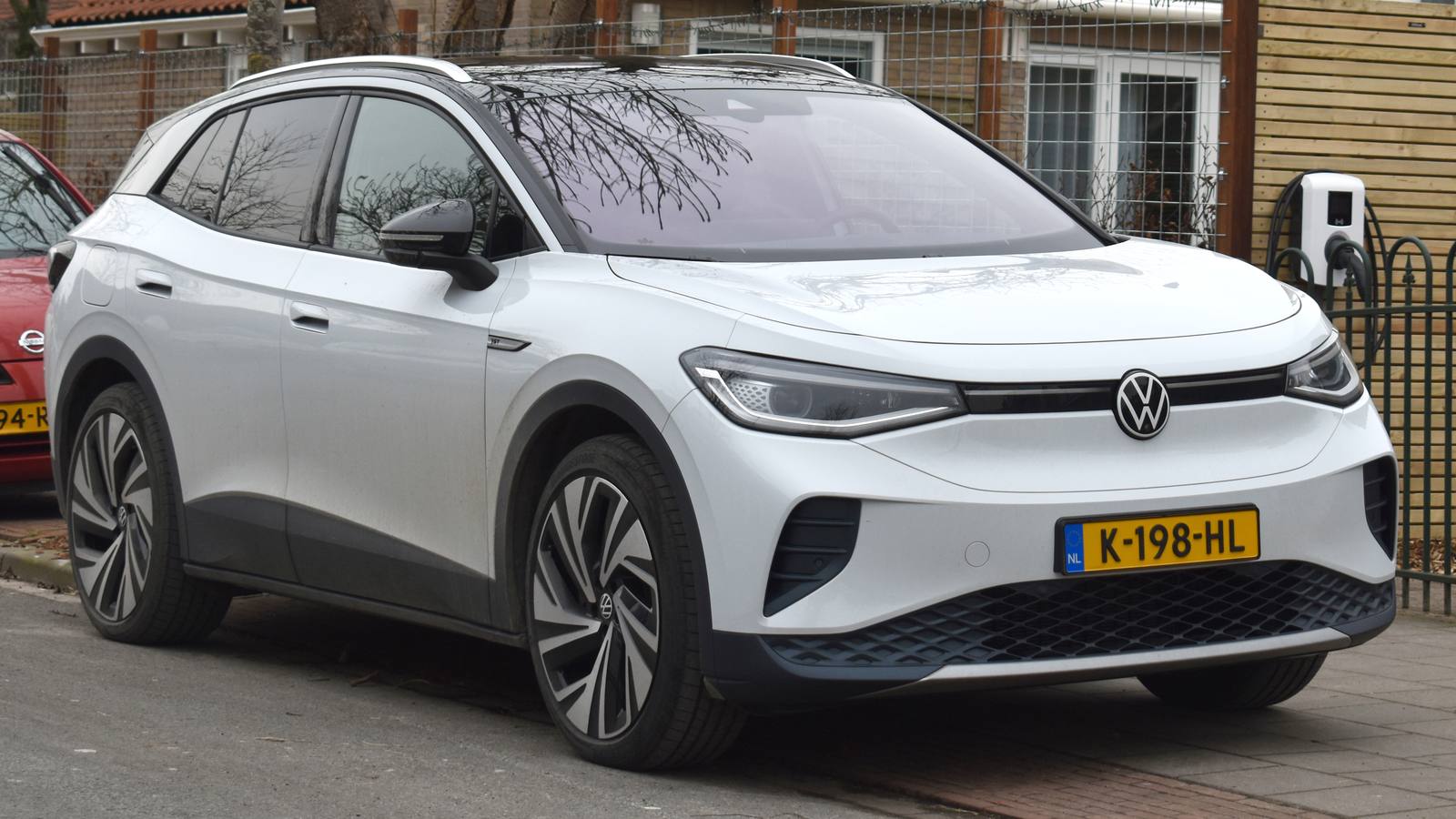
Around those four sit the Golf GTI and Golf R hatchbacks — low-volume, enthusiast-priced, and the VWs least likely to be discounted on margin — and the ID.4 electric SUV, whose pricing follows the EV market's own incentive logic rather than the gas pattern described here.
How VW's Spread Behaves — and Where the Room Actually Is
Volkswagen prices its vehicles against the Japanese mainstream, and its dealers' cost structure is mainstream too: the percentage distance between invoice and MSRP on a Tiguan or Atlas is broadly comparable to what Toyota and Honda run, which means VW's sticker advantage is mostly a sticker advantage — the whole price line sits lower, invoice included. What historically distinguishes VW is not the spread but the support behind it. VW has long been the European brand most willing to spend factory money in America: competitive APR programs, lease support that made its leases a category talking point, and periodic bonus cash on slow-turning models. For the buyer, the practical consequence is that the target should be built in layers — invoice first, then holdback, then whatever program money is live on your model and month — the way how to negotiate from invoice price lays out. A Tiguan quote that looks firm against the invoice may still move several hundred dollars on incentives that cost the dealer nothing.
Availability cuts the other way. VW's US dealer body is smaller than the Japanese giants', so some markets have a single VW store with no same-brand rival in practical distance — and same-brand competition is the mechanism that turns invoice knowledge into transaction prices. Where that is your market, cross-brand quotes (the RAV4 or Pilot the Atlas competes with) do the disciplining instead. Run the exact build in the calculator and compare out-the-door totals across brands, not just across VW stores.
Volkswagen Holdback: 2% of Base MSRP
Holdback — the amount the manufacturer returns to the dealer after the vehicle sells — is published for Volkswagen at 2% of base MSRP in the charts our holdback research tracks, and the full brand-by-brand picture is in our dealer holdback by make table. The basis matters when you compare brands: VW's 2% is calculated on the base MSRP before options, so the effective cushion under a heavily optioned Atlas is thinner, in percentage-of-total terms, than a brand whose holdback runs on the total MSRP.
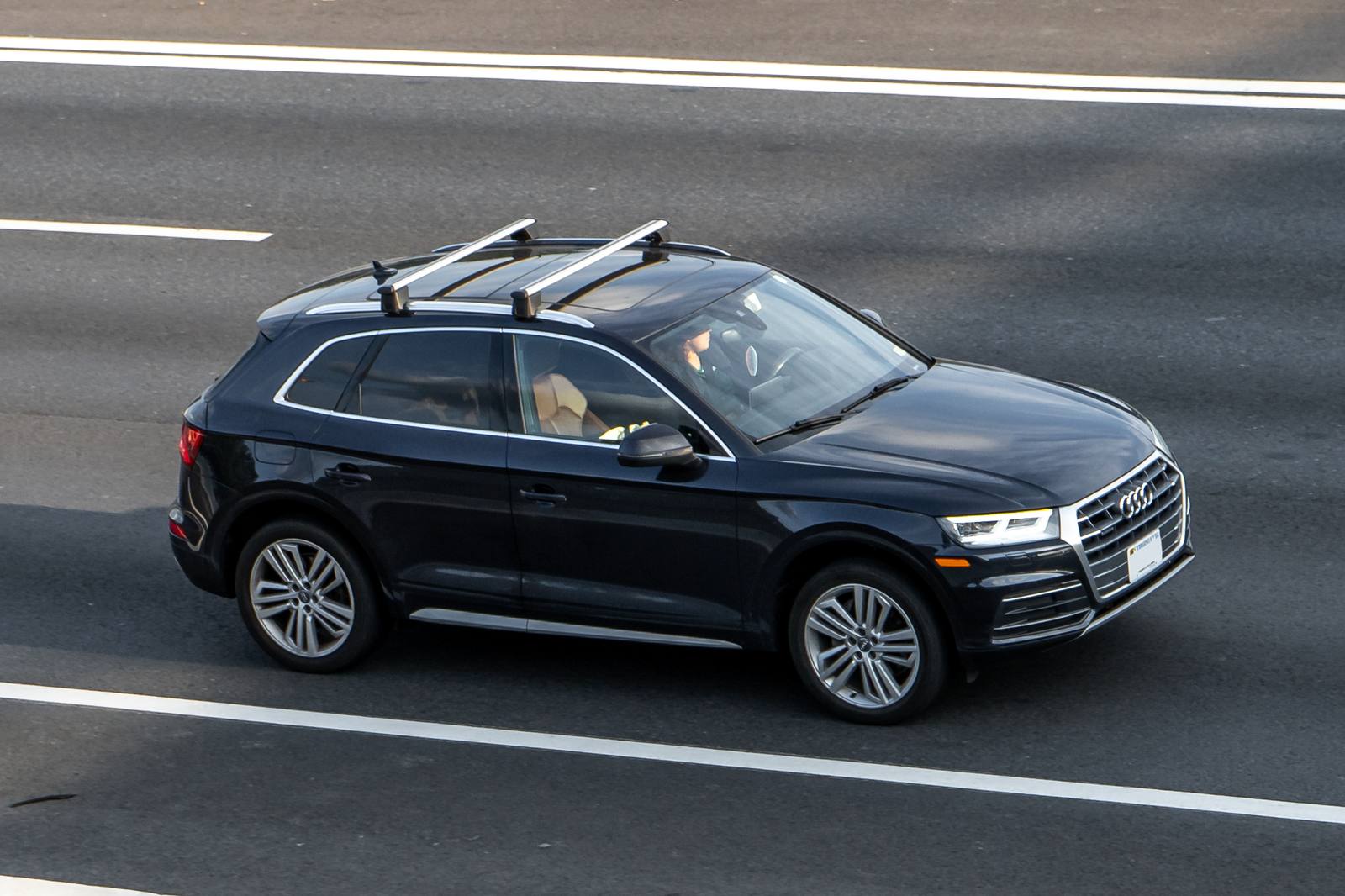
Illustrative example — not a live price: on a hypothetical Volkswagen with a base MSRP of $35,000, holdback at 2% returns $700 to the dealer after the sale. That is the scale of the hidden cushion on a typical VW — real money, worth knowing about, and small enough that a deal at invoice already gives the dealer only the holdback and any program money to live on. It also explains VW deal behavior buyers sometimes find confusing: a store can sell at invoice and still profit modestly, which makes invoice-level deals on in-stock Tiguan and Atlas units genuinely attainable in a way they are not at brands with no holdback at all — the contrast with Audi's invoice structure, from VW's own corporate sibling, is instructive.
Frequently Asked Questions
What is Volkswagen's dealer holdback?
The published charts our research tracks list Volkswagen holdback at 2% of base MSRP — calculated on the base price before options, so a typical VW returns a few hundred dollars of holdback to the dealer after the sale. On an illustrative $35,000 base MSRP that is $700. Holdback is one layer of dealer economics, alongside the invoice spread itself and factory incentive money, and it is why a sale at invoice is not a sale at the dealer's true cost.
Are Volkswagen invoice prices far below MSRP?
Not unusually far — VW runs a mainstream percentage spread, comparable to the Japanese brands it prices against. The dollar gap grows with the sticker, so an Atlas carries meaningfully more negotiable margin than a Taos, but VW's real discounting energy historically shows up in factory support — APR programs, lease offers and bonus cash — layered on top of the spread rather than inside it. Build your target from invoice, holdback and live incentives together.
Which Volkswagen has the most negotiation room?
The Tiguan and Atlas, for different reasons. The Atlas has the biggest dollar spread per vehicle and cross-brand family-SUV competition pressing on it. The Tiguan is VW's volume SUV, stocked in depth and aimed straight at the RAV4 and CR-V, which makes competing quotes easy to gather. The Jetta's smaller stickers compress its dollar room, and the GTI and R sit at the firm end of the brand's pricing.
Do Volkswagen invoice prices include destination?
Yes. VW sets the destination charge, it is identical at every dealer for the same model, and it is included in both the MSRP and the invoice totals. It is a pass-through cost, not dealer margin — negotiate the selling price, the add-ons and the financing around it instead.
The Bottom Line on Volkswagen Invoice Prices
Volkswagen's invoice story is honest arithmetic: a mainstream spread, a 2%-of-base holdback worth a few hundred dollars, and a factory that historically spends real money on APR and lease support. The sticker gap against the Japanese brands survives at invoice because the whole line is priced lower — which means the VW buyer's edge comes from layering invoice, holdback and live program money into one target and making stores, or rival brands, compete against it. Pull the exact Volkswagen dealer invoice price for your Tiguan, Atlas, Taos or Jetta before you shop. With Volkswagen invoice prices in hand, you are no longer negotiating blind — start from the dealer's number, not the sticker. Start at MyCarDiscount.com.
Get the number dealers start from.
Invoice, estimated true cost, out-the-door — before any dealer hears your name.