
Audi Invoice Prices: Q5, Q7, A5 and Q3, Model by Model
Audi runs no traditional holdback, which changes what 'dealer cost' even means — this page sets out Audi invoice pricing for the volume Audis and explains the margin structure behind them.

Key Takeaways
- Audi runs no traditional holdback — the published charts list it at none (0%) — so the invoice sits much closer to the dealer's true vehicle cost than at brands paying 2–3%.
- 2026 starting MSRPs: Q3 from $43,700, A5 from $50,200, Q5 from $52,800 and Q7 from $62,000, before destination (confirmed at $1,295 on the Q3).
- Dealer margin lives in the invoice-to-MSRP spread plus manufacturer bonus structures, so a quote a few hundred over invoice on a volume Q5 is a genuinely thin deal.
- Audi Signature Care covers scheduled maintenance for 3 years/30,000 miles on 2026 models — count it in the comparison against a rival's lower sticker.
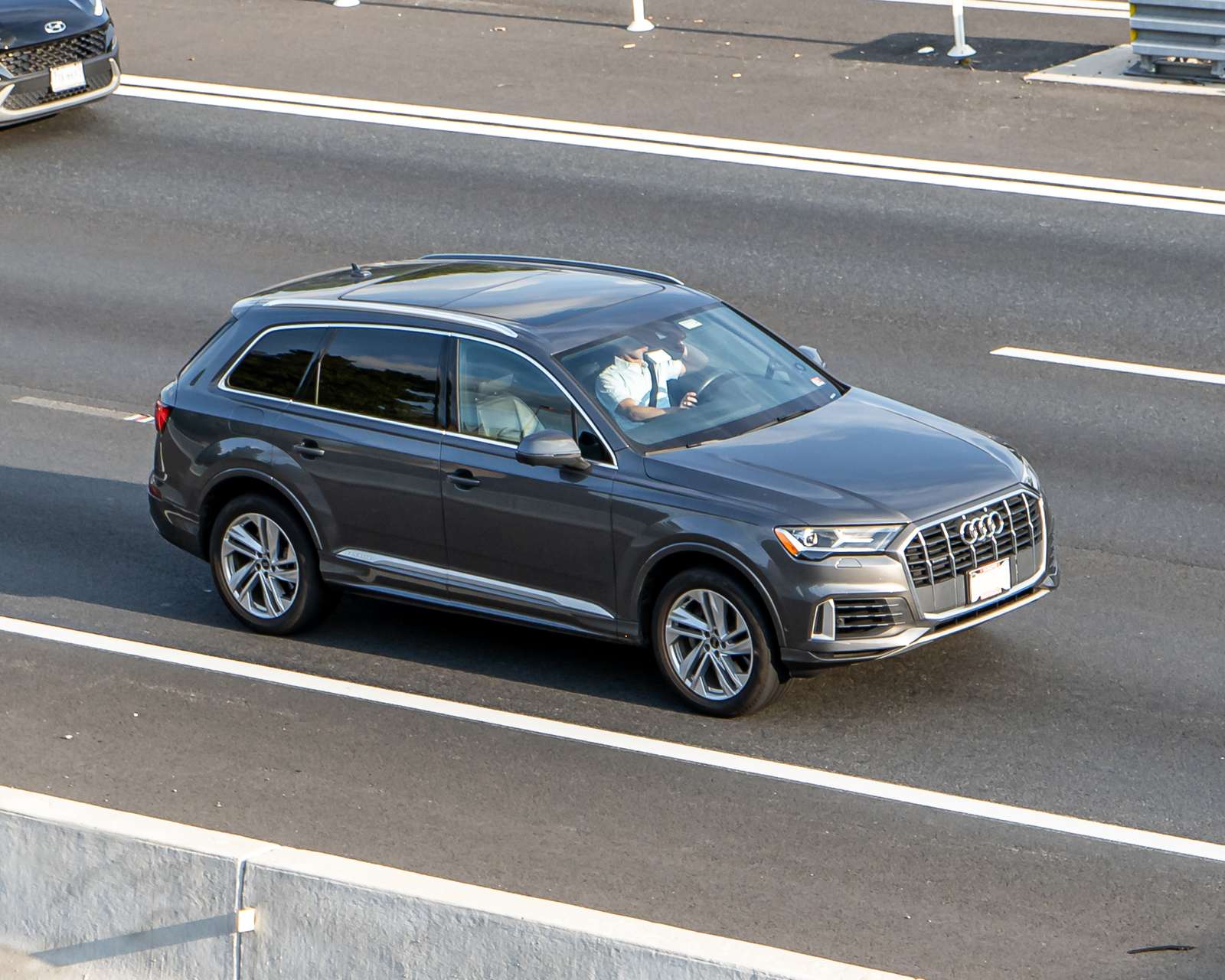
This guide is built around Audi invoice prices — the figures behind the sticker, and how to use them when you negotiate. Audi is the brand where the usual invoice playbook breaks, and it breaks for one structural reason: Audi runs no traditional holdback. At Ford, Toyota or Chevrolet, the invoice price overstates the dealer's true cost because a percentage of the sticker comes back to the dealer after the sale — our dealer holdback by make table prints those rates brand by brand. At Audi that line is zero. The published charts show no classic holdback program, which means the invoice sits much closer to the dealer's real cost on the car itself, and every negotiation assumption built on holdback has to be rebuilt. This guide prices the four volume Audis — Q5, Q7, A5 and Q3 — and explains the margin structure that replaces holdback.
Start with our Audi buying guide for the model-by-model picture, then pull the exact figure for your build on the invoice pricing page.
Audi Invoice Prices at a Glance
| Item | What Audi buyers should know |
|---|---|
| Starting MSRPs (2026) | Q3 from $43,700 · Q5 from $52,800 · A5 from $50,200 · Q7 from $62,000, before destination |
| Holdback | None (0%) — no classic holdback program; the invoice is close to true vehicle cost |
| Where dealer margin lives | The invoice-to-MSRP spread itself, plus manufacturer bonus structures built into pricing |
| Destination charge | Set by Audi, identical at every dealer (confirmed $1,295 on the Q3), in both MSRP and invoice |
| Included maintenance | Audi Signature Care covers scheduled maintenance for 3 years/30,000 miles on 2026 models |
| Best first step | Price the exact build — Audi's package-driven ladders make two "same trim" cars price very differently |
Audi Invoice Prices by Model
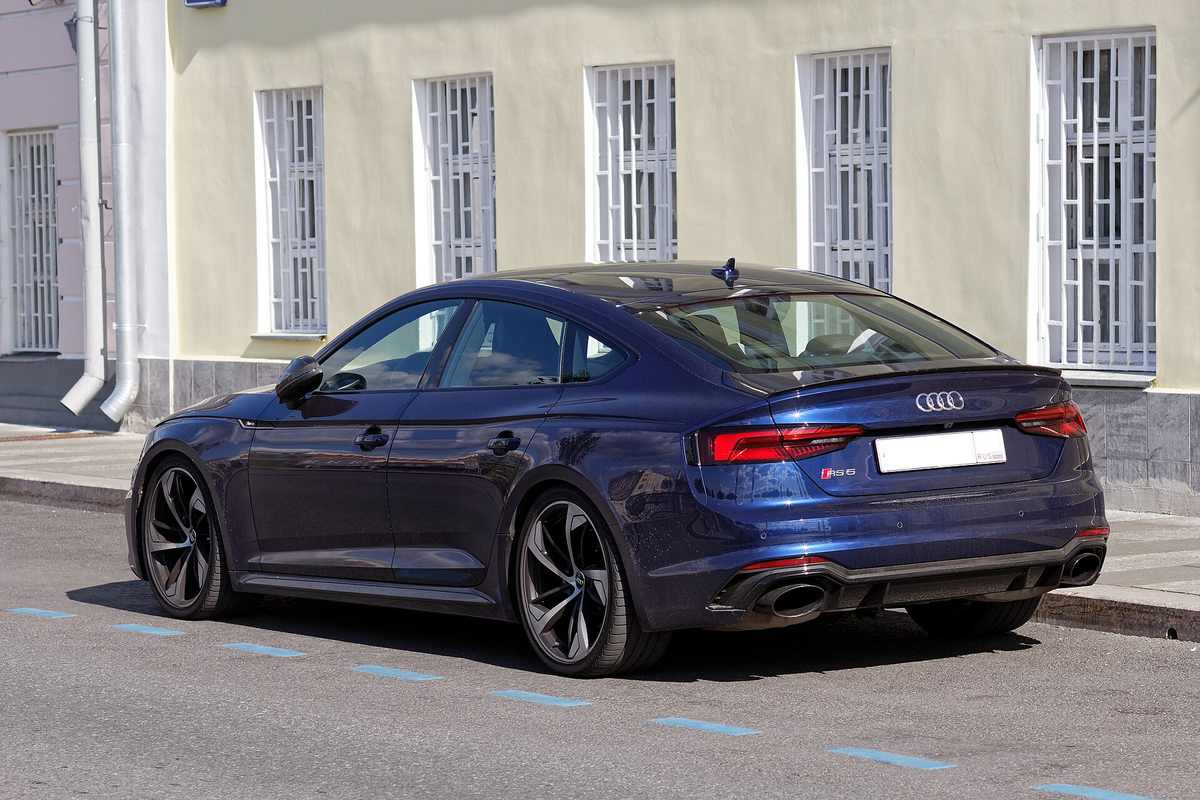
- Q5 — the volume Audi and its best-seller, redesigned for the current generation with a 268-hp 2.0L turbo and standard quattro. From $52,800, it is the Audi most buyers cross-shop against the BMW X3 and our BMW invoice prices page — a useful comparison, because BMW also runs no classic holdback, so both brands negotiate on the same honest structure. Q5 inventory depth makes it the Audi where competing quotes differ most.
- Q7 — the three-row flagship of this group, from $62,000, with a 261-hp 2.0L in the 45 TFSI or a 335-hp 3.0L V6 in the 55 TFSI and towing up to 7,700 lb in V6 form. It is an older platform kept current by refreshes, which cuts both ways: equipment is proven, and dealers have more reason to move the metal than on the redesigned models.
- A5 — the liftback sedan that absorbed the old A4's role, from $50,200 in Premium trim, with quattro standard and a hatchback's cargo flexibility under a sedan silhouette. Three trims and a short ladder make its invoice structure the simplest in this group to research and the hardest to pad.
- Q3 — the entry Audi, fully redesigned for 2026, from $43,700 with a 255-hp 2.0L and standard all-wheel drive. Audi keeps the Q3 ladder simple — one powertrain, with the price built through packages — so the invoice on a given Q3 is unusually predictable once you know its package list.
No Holdback: What Replaces It in Audi's Margin
Holdback exists to give dealers a cushion below invoice; our holdback explainer walks through how it works at the brands that pay it. Audi's absence from that system does not mean Audi dealers work for free — it means their margin is arranged differently, and a buyer who understands the arrangement negotiates better than one hunting for a holdback pool that is not there.
The margin lives in two places. The first is the spread itself: the gap between the invoice Audi sets and the MSRP on the window sticker is the dealer's gross on the vehicle, out of which commissions, floorplan interest and overhead all come. Because there is no second payment coming after the sale, that spread is thinner in practice than the effective cushion at a brand paying 3% of MSRP in holdback. The second is bonus money: like the other no-holdback German brands, Audi supports its dealers through volume and performance structures built into the pricing system rather than a per-car holdback line — money that rewards the store's month, not your individual deal, and that a buyer cannot itemize or claim.
Illustrative example — not a live price: take the Audi invoice price on a hypothetical car at a $55,000 MSRP. At a brand paying 3%-of-MSRP holdback, the dealer would receive $1,650 back after selling at any price — a cushion that lets it sell "at invoice" and still clear money on the car. At Audi the same sale returns $0 in holdback. That single difference explains both why Audi quotes cluster tighter around invoice and why an Audi dealer resists "below invoice" demands that a domestic store might accept: below invoice at Audi really is below the dealer's vehicle cost, and only bonus money, fees or a genuine need to move the unit can fill the hole.
Negotiating an Audi From the Invoice Outward
Work from the structure, not from folklore. Pull the exact invoice for your build, then treat the invoice-to-MSRP spread as the negotiation field: on volume models like the Q5, competing dealers with stock will bid inside that spread, and the absence of holdback means a quote a few hundred over invoice is a genuinely thin deal rather than a disguised fat one. On the redesigned Q3 and Q5, expect less movement while supply is fresh; on the Q7, the platform's age is your argument. Remember what sits outside the vehicle price entirely: destination is fixed and identical everywhere, so it is not a negotiation item, while fees and finance-office products are dealer-side and fully contestable — run any quote through the calculator as an out-the-door total. Finally, count Audi Signature Care in the comparison: three years of included scheduled maintenance on 2026 models is real ownership money that a rival's slightly lower sticker may not include. The full method is in how to negotiate from invoice price.
Frequently Asked Questions
Does Audi really have no dealer holdback?
Yes — that is the documented structure. The published holdback charts list Audi at none (0%), alongside BMW, Porsche and several other premium brands. Audi dealers are compensated through the invoice-to-MSRP spread and manufacturer bonus structures instead, so the invoice price is much closer to the dealer's true cost on the vehicle than at brands paying 2–3% holdback.
Are Audi invoice prices close to MSRP?
Relatively, yes. The percentage gap between sticker and invoice on an Audi is modest, and there is no holdback waiting underneath it. The dollar gap still grows with the sticker — a Q7 carries more negotiable spread than a Q3 — but Audi buyers should expect negotiations measured in the spread itself, not in discounts carved out of a hidden cushion.
Which Audi has the most negotiation room?
The Q5, structurally and practically: it is the volume model, dealers stock it in depth, and competing stores hold competing builds of the same trims. The Q7's older platform gives buyers a different lever — time on lot. The Q3 and A5 have smaller dollar spreads, so their deals are decided more by fees, add-ons and financing.
Do Audi invoice prices include destination?
Yes. Audi sets the destination charge (confirmed at $1,295 on the 2026 Q3), it is the same at every dealer for the same model, and it appears in both the MSRP and the invoice. It is not dealer margin; negotiate the selling price, the add-ons and the financing instead.
The Bottom Line on Audi Invoice Prices
Audi strips the mystery out of dealer cost by removing the layer most buyers never find: with no holdback, the invoice is close to what the dealer truly has in the car, and the negotiation becomes a clean argument over one visible spread. Price your Q5, Q7, A5 or Q3 from the invoice outward, count the included maintenance, and make competing dealers bid inside the spread. With Audi invoice prices in hand, you are no longer negotiating blind — start from the Audi dealer invoice price, not the sticker. Start at MyCarDiscount.com.

Get the number dealers start from.
Invoice, estimated true cost, out-the-door — before any dealer hears your name.