
Toyota Camry Invoice Price: LE, SE, XLE and XSE Compared
The Camry went all-hybrid and kept its crown — this guide prices every Camry invoice price, trim by trim, so sedan loyalists can negotiate from the real number.
Key Takeaways
- Every Camry trim runs the same hybrid powertrain, so the invoice spread is built from equipment and packages, not engines — the XSE and XLE carry the largest dollar gaps.
- Toyota holdback is 2% of base MSRP and options don't grow it, so an AWD XLE and a front-wheel-drive XLE are different negotiations — never compare quotes across drivetrains.
- Camry support leans toward finance offers rather than customer cash, with cash appearing mainly around model-year changeover.
- The LE has the smallest dollar gap but the deepest supply, so its transaction prices often sit closest to invoice in practice.
The Toyota Camry invoice price is a ladder with an unusual property: every rung runs on exactly the same powertrain. The current Camry is hybrid-only — there is no gas-only version to anchor the cheap end — so the spread between the LE's invoice and the XSE's is built almost entirely from equipment, wheels, screens and seats rather than engines. The invoice price is what the dealer paid Toyota for that exact car, and it sits below the MSRP on the window sticker at every trim. Underneath it sits Toyota's holdback of 2% of base MSRP, which is why a dealer can sell a Camry at invoice and still make money on the car. This guide walks the ladder trim by trim, shows where the markup concentrates, and explains the one option — all-wheel drive — that moves the number on every trim.
Start with our broader Toyota invoice prices guide for the rest of the range, then pull the exact figure for your build on the invoice pricing page.
Toyota Camry Invoice Price at a Glance
| Item | What Camry buyers should know |
|---|---|
| Invoice price | What the dealer paid Toyota for the car as configured, including destination |
| Holdback | 2% of base MSRP — note the basis: base, not the total sticker |
| Where the gap widens | XLE and XSE standard content, option packages, and AWD |
| Destination charge | Set by Toyota, the same at every dealer for the same car, in both MSRP and invoice |
| Incentive pattern | Finance offers more than cash; hybrid demand keeps Camry discounts modest |
| Best first step | Fix the exact trim and drivetrain, then pull that car's invoice before talking price |
Camry Invoice Price by Trim: LE, SE, XLE and XSE
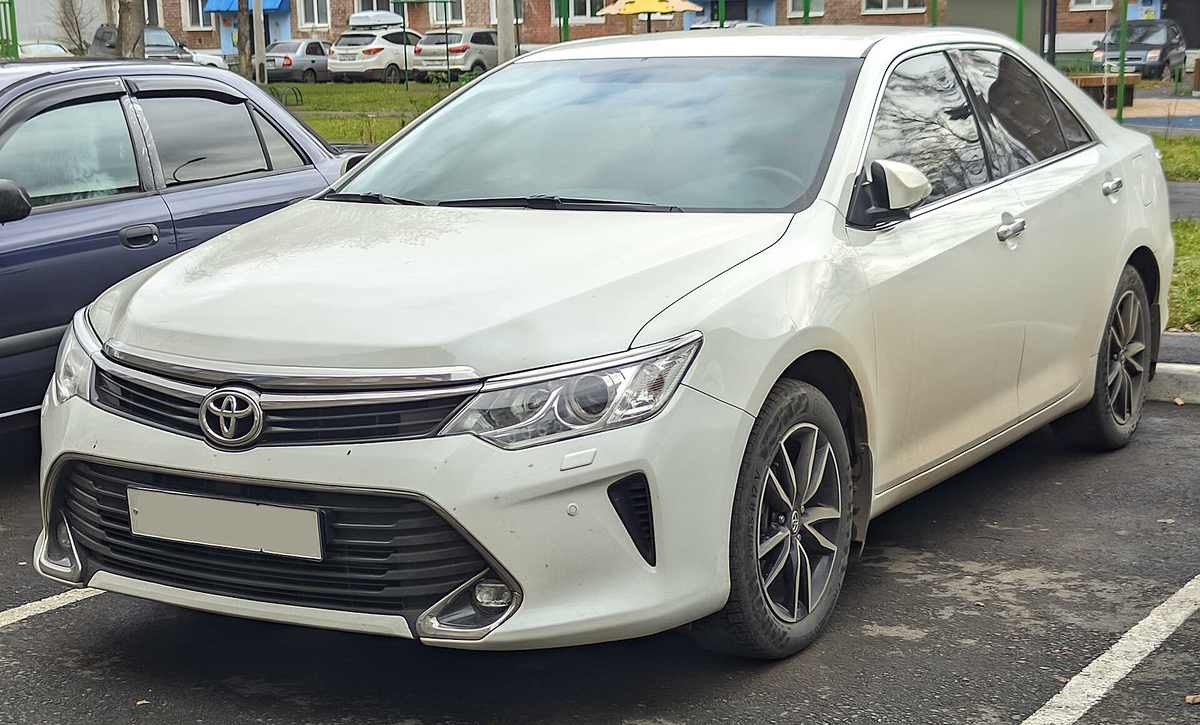
Because the powertrain never changes, the trim decision is a content decision — and content is where invoice spread lives:
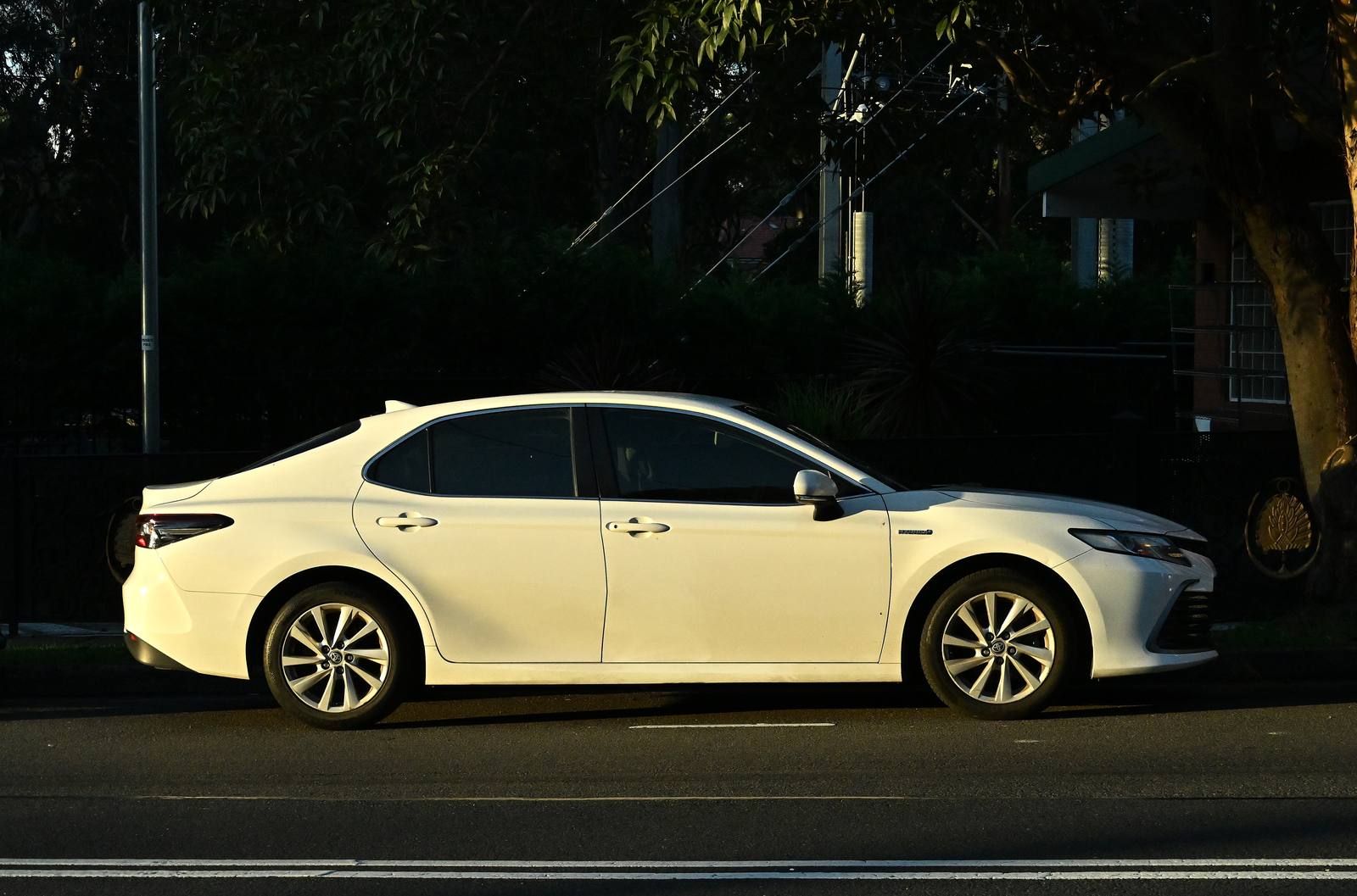
- LE — the efficiency flagship and the volume fleet-and-commuter pick, rated up to an EPA-estimated 51 mpg combined in front-wheel-drive form. The LE carries the lowest base price in the range, so its dollar gap between MSRP and invoice is the smallest — but it is also the trim dealers discount most predictably, because supply is deep.
- SE — the sport-styled step: sport suspension, larger wheels, paddle shifters and a rear spoiler over the same hybrid system. The SE is the trim most private buyers actually purchase, which makes the Toyota Camry dealer invoice price the most useful number in this guide.
- Nightshade — an appearance edition built on SE hardware, with blacked-out trim and model-specific wheels. Its invoice sits just above the SE's; you are paying for the look, and the margin on it behaves like the SE's.
- XLE — the comfort flagship: leather, larger screens, heated and ventilated seats and the quiet-ride hardware. The XLE's higher base price and standard content widen the MSRP-to-invoice gap in dollars, and its option packages widen it further.
- XSE — the top of the ladder, combining the SE's sport brief with the XLE's luxury content. XSE builds carry the largest dollar spread in the range, which is exactly why a percentage rule of thumb fails here — get the per-build figure.
One structural point separates the Camry from the truck guides on this site: with a single powertrain, there is no engine-upgrade margin to hunt. The spread concentrates in the upper trims' standard equipment and in factory packages — premium audio, panoramic roof, driver-assistance and technology bundles — each invoiced individually with its own margin between cost and retail.
The One Option That Moves Every Trim: All-Wheel Drive
Every Camry trim offers Toyota's electronic on-demand all-wheel drive, which adds a rear electric motor and raises net system output from 225 to 232 horsepower. AWD is a priced option at every level, and it is invoiced like any other factory content: it adds to both the MSRP and the invoice, with margin on the difference. Two practical consequences follow. First, an AWD XLE and a front-wheel-drive XLE are different negotiations — never compare quotes across drivetrains. Second, because AWD Camrys are scarcer in Sun Belt inventories and common in Snow Belt ones, the same build can discount differently by region; the invoice is the constant that lets you see past that.
Fuel economy barely moves across the ladder — even the XSE's larger wheels cost only a few mpg against the LE's headline figure — so trim choice here is about equipment and price, not about buying efficiency. Run your candidate build in the calculator so the out-the-door math includes your taxes and fees.
Toyota Holdback on the Camry: 2% of Base MSRP
Holdback is the amount Toyota returns to the dealer after the car sells, and published holdback charts put Toyota holdback at 2% of base MSRP. The basis matters as much as the percentage. GM's brands calculate 3% on the total MSRP including options; Toyota calculates 2% on the base MSRP before options. A Camry's holdback is therefore a smaller, more predictable cushion than a truck buyer's, and option packages do not grow it. Our holdback table prints the basis for every make for exactly this reason — comparing percentages without bases misleads.
One regional caveat from the same research: Toyota sells through independent distributors in the Gulf States and Southeast, and their fee structures sit between Toyota and the dealer, so effective dealer economics on a Camry can vary by region even though the printed invoice formula does not.
Illustrative example — not a live price: take a hypothetical Camry with a base MSRP of $34,000. Holdback at 2% of base MSRP returns $680 to the dealer after the sale. That $680 never appears on the invoice, and on a car whose total margin is measured in hundreds rather than thousands, it is a meaningful share of why "selling at invoice" still works for a Toyota dealer — and why deals a little below invoice happen on aging stock.
Incentives and the Hybrid Factor
Toyota supports the Camry differently from its trucks. Where the Tacoma and Tundra see rotating customer cash, the Camry's support leans toward finance offers — subsidized APR programs and lease support — with cash appearing mainly around model-year changeover. The all-hybrid lineup cuts both ways: fuel prices make the car an easy sale, which firms up transaction prices, but the Camry also competes directly with the Accord Hybrid and Sonata Hybrid for the same buyer, which keeps dealers honest. Confirm what is live on your exact trim before you set a target, and value a finance offer against your own loan quote rather than against the sticker — our method guide on how to find invoice price on a car shows how to combine invoice, holdback and incentives into one number.
Negotiating a Camry With the Invoice in Hand
Camry negotiation is a game of modest numbers played precisely. The dollar spread between MSRP and invoice is smaller than on any truck in this series, so the wins come from specification discipline: compare out-the-door quotes only on the identical trim, drivetrain and package list — our guide to negotiating from invoice price covers the offer math. Cross-shopping works because the segment is healthy: a Sonata Hybrid or Accord Hybrid quote is a genuine second anchor, and our Toyota Tacoma invoice price and Toyota RAV4 invoice price guides show how the same 2%-of-base pattern plays on Toyota's other nameplates. Finally, remember why the number matters: invoice is not the dealer's floor, because holdback sits below it. The full breakdown is in is invoice price the dealer cost.
Frequently Asked Questions
How do I find the Toyota Camry invoice price for my exact car?
Invoice is calculated per trim, drivetrain and option load, so look it up for the exact build on our invoice pricing page rather than relying on a model-level average. An LE and an XSE share a nameplate and a powertrain, but not a price structure.
Is the Camry invoice price the dealer's real cost?
No. Toyota holdback of 2% of base MSRP and any factory-to-dealer incentives sit below the printed invoice, so the dealer's true cost is lower — the breakdown is in is invoice price the dealer cost.
Which Camry trim has the biggest gap between MSRP and invoice?
In dollars, the XSE and XLE, because their higher base prices and dense standard content carry the most margin — and their option packages add more. The LE's gap is the smallest in dollars, but LE supply is deep, so its transaction prices often sit closest to invoice in practice.
Do Camry invoice prices include destination?
Yes. Toyota sets the destination charge, it is identical at every dealer for the same car, and it appears in both the MSRP and the invoice totals. It is not dealer margin; negotiate the selling price and dealer-added items instead.
The Bottom Line on the Toyota Camry Invoice Price
The Toyota Camry invoice price rewards buyers who understand its shape: one hybrid powertrain everywhere, a spread built from trim content and packages rather than engines, and a 2%-of-base-MSRP holdback underneath that is smaller than the truck brands' but just as real. The LE-to-XSE ladder is narrow in dollars and wide in equipment, so the only number worth negotiating from is the invoice for your exact build. Pull it free on MyCarDiscount, build the out-the-door total, and let dealers compete on a car specified down to the last package. Start at MyCarDiscount.com.
Get the number dealers start from.
Invoice, estimated true cost, out-the-door — before any dealer hears your name.