
Lease End Charges Explained: Miles, Wear and Disposition Fee
End of lease charges: the turn-in inspection is a bill waiting to happen — this guide lists every standard charge, the per-mile math, and the pre-inspection fixes that erase most of them.

Key Takeaways
- Every lease-end figure is already in your contract: excess miles at $0.15 to $0.30 each, a $300 to $500 disposition fee, and wear billed to the lessor's published standard.
- Mileage math scales fast: 5,000 excess miles at $0.25 is $1,250, and buying extra miles during the lease, where offered, usually beats the turn-in rate.
- Book the free pre-inspection 30 to 60 days out and fix what it flags at an independent shop: its written list turns surprise charges into cheaper repairs.
- Unused miles are never refunded, and a standard closed-end lease never bills you the gap between market value and residual — that risk is the lessor's.
One subject runs through this whole guide: lease end charges. What follows explains it in plain English, with the numbers attached. A lease does not end when you hand back the keys. It ends a few weeks later, when the inspection report becomes an invoice. Lessees who have never turned in a car are routinely surprised by three charges — excess mileage, excess wear, and the disposition fee — not because the charges are secret, but because they were printed in a contract signed three years earlier and never thought about since. Every figure that will be billed is already in your lease agreement today. This guide names each charge, prints the published ranges so you can sanity-check your own contract, and covers the pre-return moves that erase most bills. If the numbers still look bad, our lease buyout guide prices the alternative ending.
Lease End Charges at a Glance
| Charge | Published range | What decides your figure |
|---|---|---|
| Excess mileage | $0.15–$0.30 per mile (a few contracts to $0.50) | Your contract rate × miles over the total allowance |
| Disposition fee | $300–$500 | Stated in the lease; often waived if you lease or buy again with the same brand |
| Excess wear and tear | $100–$2,000+ | The inspection: tires, glass, dents, interior, missing items |
| Missing equipment | Cost of the item | Second key fob, charging cables, cargo covers, spare tire |
Excess Mileage: The Charge You Can See Coming
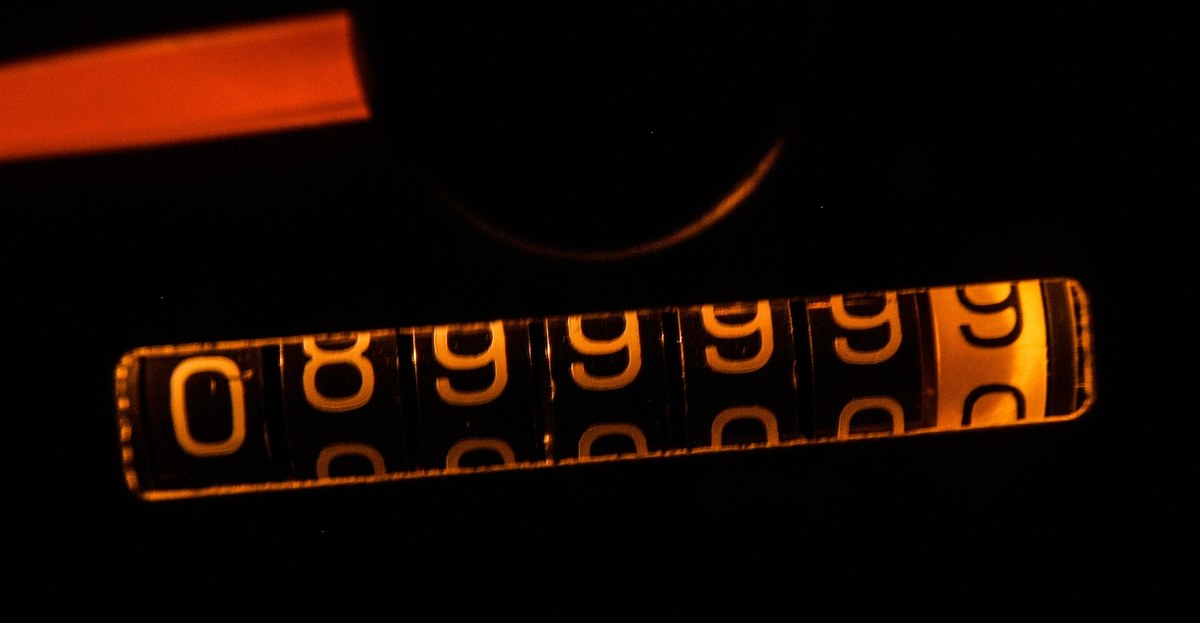
Mileage is the one lease-end charge that is pure arithmetic. Your contract sets a total allowance — 36,000 miles on a typical three-year, 12,000-mile-a-year lease — and a per-mile rate for everything beyond it. Published schedules put that rate at $0.15 to $0.30 a mile for most brands, with luxury contracts at the top of the range and a few reaching $0.50; a current published Honda offer sits at $0.14, which is why the only rate that matters is the one in your own agreement. The math scales fast: 5,000 excess miles at $0.25 is $1,250, and 10,000 excess miles at $0.20 is $2,000. Two defenses exist, both cheaper before turn-in than after. Many lessors sell additional miles during the lease at a discount to the turn-in rate, and unused miles are almost never refunded — so the projection matters in both directions. Track your pace against the total allowance twice a year; an overage discovered at month 30 is a shopping problem, while the same overage discovered at turn-in is just a bill.
Excess Wear and Tear: The Inspector's Checklist
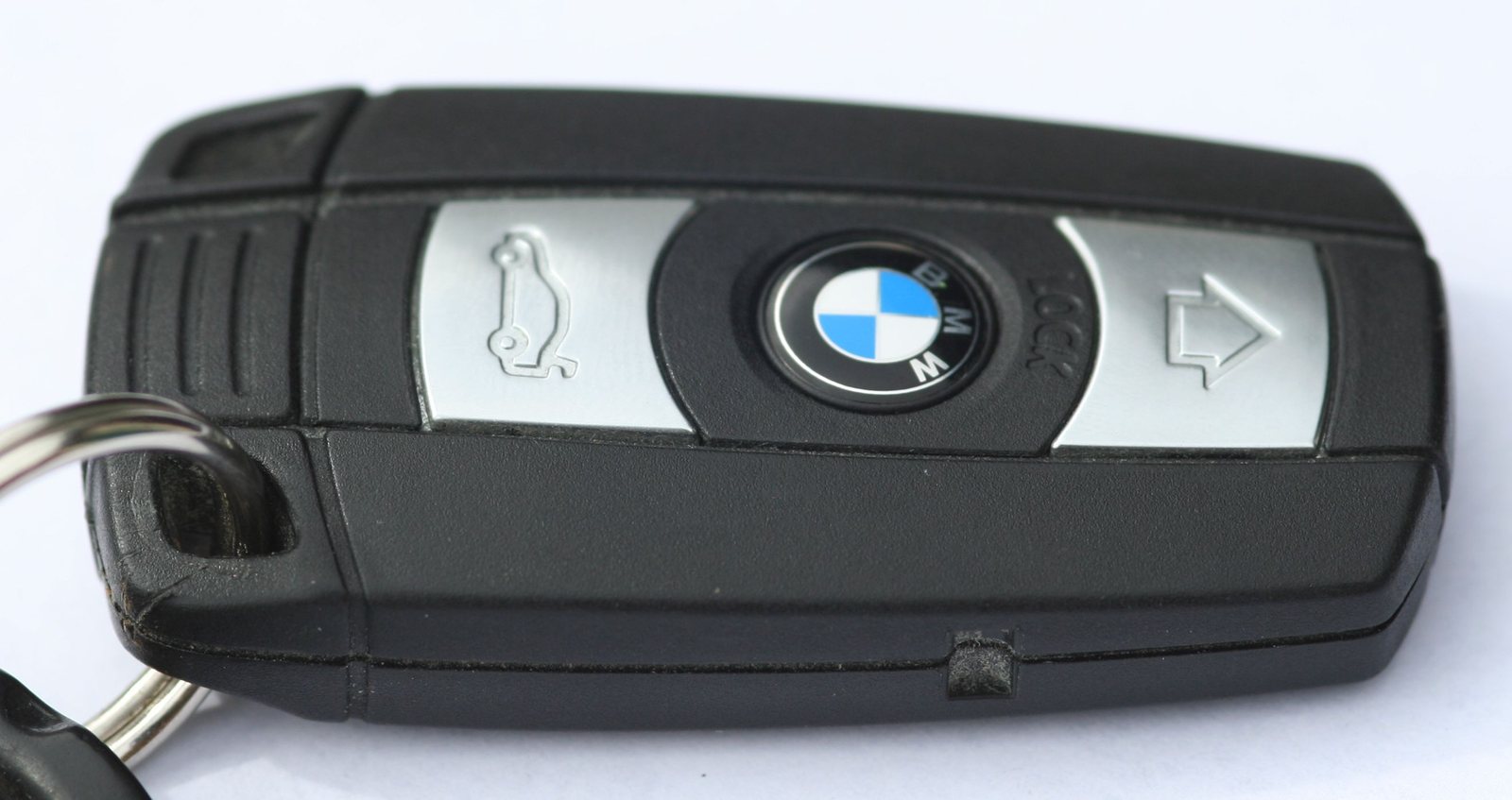
Wear charges follow the lessor's published wear standard, and most standards are more forgiving than lessees fear. Normal wear — small paint chips, light scratches, minor door dings under the standard's size threshold, tires above the minimum tread — is free. What gets billed is the excess: cracked or chipped glass in the driver's sightline, dents and scratches beyond the size limits, tires worn below the tread minimum (commonly around 4/32 of an inch) or mismatched, curb-damaged wheels, interior tears, stains and burn marks, and missing equipment — a second key fob alone can be billed at several hundred dollars. Published guides put typical excess-wear bills anywhere from $100 to $2,000 or more, driven almost entirely by tires and body damage. Almost every lessor offers a free pre-inspection in the final 30 to 60 days, and it is the single most valuable appointment in the lease: it converts surprises into a repair list while independent shops — cheaper than the lessor's flat charges — can still fix them.
The Disposition Fee and the Small Print
The disposition fee is the lessor's charge for taking the car back, cleaning it, and sending it to auction. It is stated in the contract, typically $300 to $500, and it is the least negotiable number on the page — with one standard exception: most brands waive it if you lease or buy another car from the same family within a set window. Around it sit the stragglers: late-return and storage charges if you keep the car past the return date, tolls and tickets that arrive after turn-in and are billed back to you, and personal-property and paperwork requirements (remove the plates as your state requires; keep the return receipt with the odometer statement — it is your proof of when the charges stopped being yours). One more line deserves attention because it surprises people: if the car's market value has fallen well short of its residual, a standard closed-end lease does not bill you the difference. That risk is the lessor's — it is, in fact, much of what you were paying for.
The Last 60 Days: A Short Checklist
Run the endgame in order. Book the free pre-inspection as soon as your lessor allows it — 30 to 60 days out is typical — and keep the written report. Fix what it flags at independent shops, whose prices for a bumper respray, a windshield or a set of tires usually undercut the lessor's schedule; keep every invoice. Run your mileage projection against the total allowance one last time and buy miles in advance if the contract offers them below the turn-in rate. Gather the kit: both key fobs, charging cables for EVs and plug-in hybrids, cargo covers, manuals and the spare — missing items are billed at replacement prices. Photograph everything at hand-over: every panel, each wheel, the interior, and the odometer itself. Then leave with the signed return receipt. That receipt, with its odometer statement, is the document that ends the argument about when the car — and its lease return charges — stopped being yours.
Frequently Asked Questions
Can I dispute lease-end charges?
Yes. Lessees commonly dispute wear items with their own dated photos, pre-inspection reports and independent repair invoices, and lessors do reduce or drop items that fall inside their published wear standard. Dispute promptly, in writing, and keep the pre-inspection report — it is the strongest document in the argument.
Is it cheaper to fix wear damage myself before returning the car?
Usually. The lessor bills flat, schedule-based amounts that reflect retail repair at their rates; an independent shop will often repair a bumper scuff, a windshield chip or worn tires (with used or budget replacements that meet the standard) for less. The free pre-inspection exists precisely to give you the list in time.
What happens if I return the car with far fewer miles than allowed?
Nothing — and that is the asymmetry to remember. Unused miles are not refunded on a standard lease; the allowance was priced into the payment whether you drove it or not. Being well under is a reason to choose a cheaper low-mileage lease next time, or to price a buyout, since a low-mile car is often worth more than its residual.
Do I owe the disposition fee if I buy the car at lease end?
No. The disposition fee is a return charge; buying the car under your purchase option ends the lease by purchase instead. Some contracts substitute a smaller purchase-option fee, stated in the agreement — one more reason the buyout comparison in our lease-end alternatives guide belongs in the same afternoon's homework.
The Bottom Line on Lease-End Charges
No lease end charges on the invoice are improvised: the per-mile rate, the wear standard and the disposition fee were all in the contract from day one. Read them now, book the free pre-inspection, fix what an independent shop fixes cheaper, and photograph everything at turn-in. Do that, and the bill waiting to happen becomes the bill that mostly doesn't. That is the complete picture on charges at the end of a car lease — know it before you negotiate, and the rest of the deal gets easier. Start at MyCarDiscount.com.

Get the number dealers start from.
Invoice, estimated true cost, out-the-door — before any dealer hears your name.