
Car Dealer Finance Office Explained: Menu, Markup, Saying No
Dealer finance office explained, product by product: the finance office is where a good deal goes to get expensive — this guide walks the product menu one item at a time with the markup logic behind each pitch.

Key Takeaways
- The F&I menu is priced by the month to hide totals: published ranges run $1,500–$3,500 for service contracts, $400–$900 for GAP, $300–$800 for tire and wheel, $200–$400 for VIN etching.
- Rolled into the house example loan, $3,200 of products ($2,400 contract + $800 GAP) adds $49.88 a month and $4,189.57 to the total — $989.57 of it interest on the products alone.
- The loan itself can be marked up: dealer reserve lets the dealer present a rate above the lender's buy rate and keep part of the difference — arrive with your own pre-approval.
- GAP through your insurer typically runs about $20–$60 a year instead of the dealer's one-time charge; almost nothing on the menu expires at the door — decide tonight, not at the desk.
One subject runs through this whole guide:car dealer finance office. What follows explains it in plain English, with the numbers attached. You have negotiated the car. You have a price you can defend. Then you are walked down a hallway to a smaller office, offered a seat, and introduced to the finance manager — the person whose job is to sell you the second deal inside the first one. The finance and insurance office at a dealer, F&I for short, is where the dealership presents its product menu: service contracts, GAP coverage, tire and wheel protection, coatings, etching, prepaid maintenance. It is also where your loan itself is finalized, which means it is where the interest rate can quietly grow. None of this is hidden, exactly — every product will be disclosed in the paperwork — but it is presented at speed, priced by the month instead of by the product, and framed as protection rather than purchase. This guide walks the menu one item at a time, explains the markup logic behind each pitch, and gives you the only word the room is designed to make hard to say. Before you ever sit down, it helps to know the questions to ask when buying a car — several of them belong to this office.
Car Dealer Finance Office at a Glance
| Product | Typical dealer price (published ranges) | What it actually is | The catch |
|---|---|---|---|
| Vehicle service contract | $1,500–$3,500 | An extended warranty sold by a third-party administrator | Price is negotiable; the same coverage is sold elsewhere for less |
| GAP coverage | $400–$900 | Pays the gap between the loan balance and the car's value if it is totaled | Your own insurer often adds it for about $20–$60 a year |
| Tire and wheel protection | $300–$800 | Covers tire replacement and bent or cracked wheels | Exclusions decide its value — read them before the pitch, not after |
| Paint and fabric protection | $200–$1,500 | A coating on the paint, a spray on the seats | The product costs a fraction of the price; detailers sell it too |
| Theft protection / VIN etching | $200–$400 | Your VIN etched on glass, sometimes with a theft benefit | DIY kits cost tens of dollars; the deterrent value is debated |
| Prepaid maintenance | Priced per menu | Oil changes and scheduled services paid in advance | Only worth it priced below the service department's pay-as-you-go total |
Why This Room Exists
A dealership sells cars at margins the market can see — anyone can compare sticker prices in an afternoon. The products in this office carry margins the market cannot see, because they are quoted one buyer at a time, behind a door, as an addition to a payment rather than as a price on a shelf. That structure explains everything about the experience: the menu arrives after you have committed to the car, when your guard is down and your remaining energy is low; the prices arrive converted into monthly dollars, where $2,400 becomes "about thirty-seven a month"; and each product is pitched against a fear — the repair bill, the totaled car, the ruined wheel — rather than against its alternatives, which are never in the room. The finance manager is usually a skilled salesperson working on commission tied to these products. None of that makes the products fake. It makes them retail, sold in the one room of the dealership where you cannot comparison-shop by walking ten feet. Your counter is to bring the comparisons with you.
The Product Nobody Puts on the Menu: Your Rate
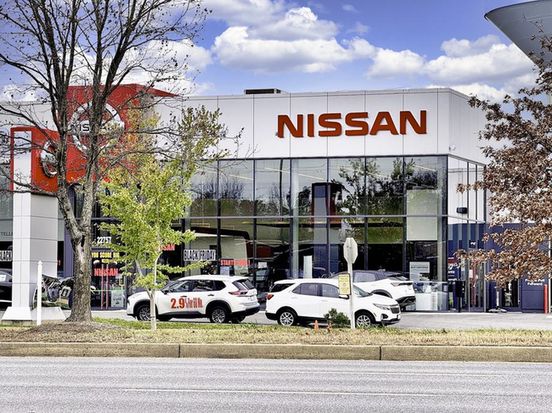
Before the first product appears, this office handles your financing — and the loan itself can be marked up. When a dealer arranges your loan, the lender approves you at a buy rate based on your credit. The dealer may then present a higher rate and keep part of the difference as compensation for arranging the loan; the practice is called dealer reserve, and it has drawn federal scrutiny — the Consumer Financial Protection Bureau addressed it in its 2013 bulletin on indirect auto lending, and many lenders have since capped the markup or replaced it with a flat fee. The defense is simple and absolute: arrive with a pre-approval from your own bank or credit union. A pre-approval converts the dealership finance office's rate from an offer into a competition — the dealer can beat your rate or match it, but it cannot quietly pad it. Our dealer financing vs bank loan guide walks through how the two channels compare.
The Menu, Priced the Way It Is Sold to You
The standard illustration of why totals matter uses the house example. Take a $30,000 car financed at 8% over 84 months: the payment is $467.59 and the interest over the term is part of the deal you shopped for. Now the menu adds a $2,400 service contract and $800 of GAP — each inside its published dealer range — and both are rolled into the loan, as they almost always are. You have financed $3,200 of products. At the same 8% over the same 84 months, that $3,200 adds $49.88 to every payment and $4,189.57 to the total you pay — which means the products cost you $989.57 in interest alone, on top of their prices, for coverage you could have priced from your insurer and third-party contract sellers before you ever entered the building. Nothing about this math is hidden; it is simply never shown. Ask for every product as a cash price, on paper, and the room's main lever disappears.
What Is Ever Worth Taking
Two products survive scrutiny in the right deal. GAP coverage is genuinely valuable when the loan starts upside-down — small down payment, long term, a trade-in with negative equity rolled in — because a totaled car in year two can leave a five-figure gap between the insurance payout and the balance. The catch is only the seller: priced through your own auto insurer, the same protection typically runs a small annual amount rather than a $400–$900 one-time charge. A vehicle service contract can make sense if you keep cars well past the factory warranty and the price is negotiated like the car was — contracts are sold by competing administrators and other dealers, often for far less after the sale, and most can be bought later, while the car is still under its factory warranty. Everything else on the menu — coatings, etching, prepaid maintenance, tire plans — is a convenience product whose entire question is price: worth it only when priced near what a detailer, a tire shop or your own savings would charge for the same outcome, which in this office it rarely is.
How to Say No (and What to Say Instead)
You do not need arguments; you need sentences. "No products today — just the car at the agreed price" ends most menus. "Give me the menu with cash prices in writing and I will decide tonight" ends the rest, because almost nothing on it expires at the door: service contracts, GAP through your insurer and maintenance plans can all be bought after the sale, usually cheaper, always calmer. If something was added that you did not agree to, say so before you sign and have the contract reprinted — products you accepted can often be cancelled afterward (many carry a short full-refund window, then pro-rated cancellation), but a reprint is easier than a refund. And sign nothing whose numbers changed from the deal you negotiated: the finance office is also where deals get re-papered, and our yo-yo financing explained guide covers the version of that call you never want to get. The fee lines deserve the same look as the products — our dealer fees explained guide names each one.
Frequently Asked Questions
Are finance office products required to get the loan?
No. The products on the F&I menu are optional purchases, separate from the car and the credit decision. A lender approves your loan on your credit and the deal structure, not on whether you bought a service contract. If anyone suggests a product is required, ask for that requirement in writing from the lender — the request alone usually resolves it.
Can I cancel a service contract or GAP after I sign?
Usually, yes — on the product's own terms. Many service contracts and GAP products carry a short full-refund cancellation window (commonly around 30 days, varying by provider and state), followed by pro-rated cancellation, sometimes with a fee. The refund is typically applied to your loan balance rather than paid in cash, which lowers what you owe but not your monthly payment. Read the cancellation clause in the product contract itself; it, not the salesperson's summary, governs.
Why is everything in the finance office priced per month?
Because per-month framing makes prices incomparable. A $2,400 contract and a $1,800 contract differ by $600 in cash and by only a few dollars a month — so the pitch steers you to the smaller number, and the financed interest on the products never appears at all. Converting every offer back to a cash total, and pricing the same product outside the dealership, is the entire counter-strategy.
Should I finance through the dealer or my own bank?
Whichever wins on rate, with your own pre-approval in hand either way. Dealer-arranged financing can be competitive — dealers have many lenders and occasional manufacturer-subsidized rates — but an unshopped dealer rate may carry a markup over the lender's buy rate. A pre-approval costs nothing, expires nothing, and turns the finance office's first product into a price it has to beat.
The Bottom Line on Car Dealer Finance Office
What happens in the dealer finance office is a second sale: real products at unshopped prices, in the last hour of a long day, framed by the month instead of the total. Walk in with a pre-approval, demand cash prices in writing, take GAP and service contracts only after pricing them outside the room, and remember that "no products today" is a complete sentence. The car deal you negotiated is the deal — this office is where you keep it. That is the complete picture in thiscar dealer finance office guide — know it before you negotiate, and the rest of the deal gets easier. Start at MyCarDiscount.com.



Get the number dealers start from.
Invoice, estimated true cost, out-the-door — before any dealer hears your name.