
How Much Car Insurance Do You Need on a New Car Today?
How much car insurance do you need, in short: the law sets a minimum and your finance contract often sets a higher floor; beyond both, the right level is a decision about what you could afford to lose.
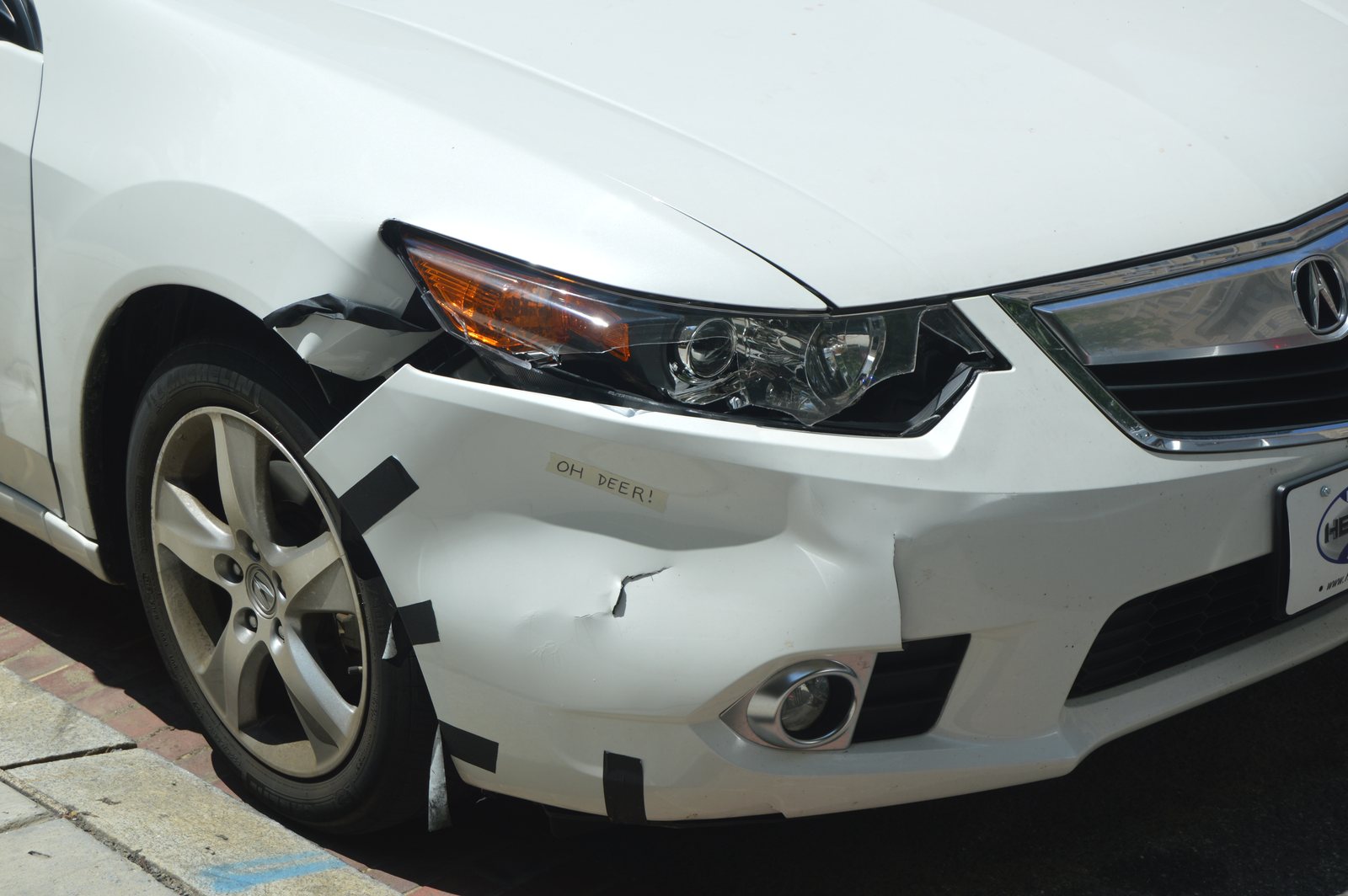
When you buy a new car, how much car insurance do you need is answered in two places: the law sets a minimum, and your contract — if you have one — often sets a higher floor. Beyond both, the right level is a personal risk decision based on what you own, what you earn, and what you could afford to lose.
How much car insurance do you need by how you buy?
Start with how you are paying, because that determines who else gets a say. The Federal Trade Commission notes that when you finance or lease, the creditor or lessor holds a lien and the contract carries obligations until it is paid — insurance requirements are part of that picture, as explained in the FTC's guide to financing or leasing a car. If weighing finance against a lease, see leasing vs. buying a car.
| Buy type | What sets the floor | What to size deliberately |
|---|---|---|
| Financed (loan) | The contract sets the floor — collision and comprehensive are required by the lender, and the deductible is commonly capped by the agreement | Liability sized by your assets and income exposure, not the state minimum; a deductible you can actually pay within the contract cap |
| Leased | The lease sets the strictest floor — the lessor typically demands higher liability limits than state minimums, plus collision and comprehensive, and often GAP arrangements; the contract decides | Any cover above the lessor's floor based on your own exposure |
| Cash / owned outright | No lender floor at all — the legal minimum liability cover is the only mandate | Everything else is your risk decision: collision and comprehensive are worth their cost while the car's value is high relative to your savings, droppable when a total loss is absorbable |
Read the table as a starting point, not an answer. Keep amounts qualitative — higher than the minimum, matched to your assets — because no single limit is right for everyone.
How much car insurance do you need beyond the state minimum?
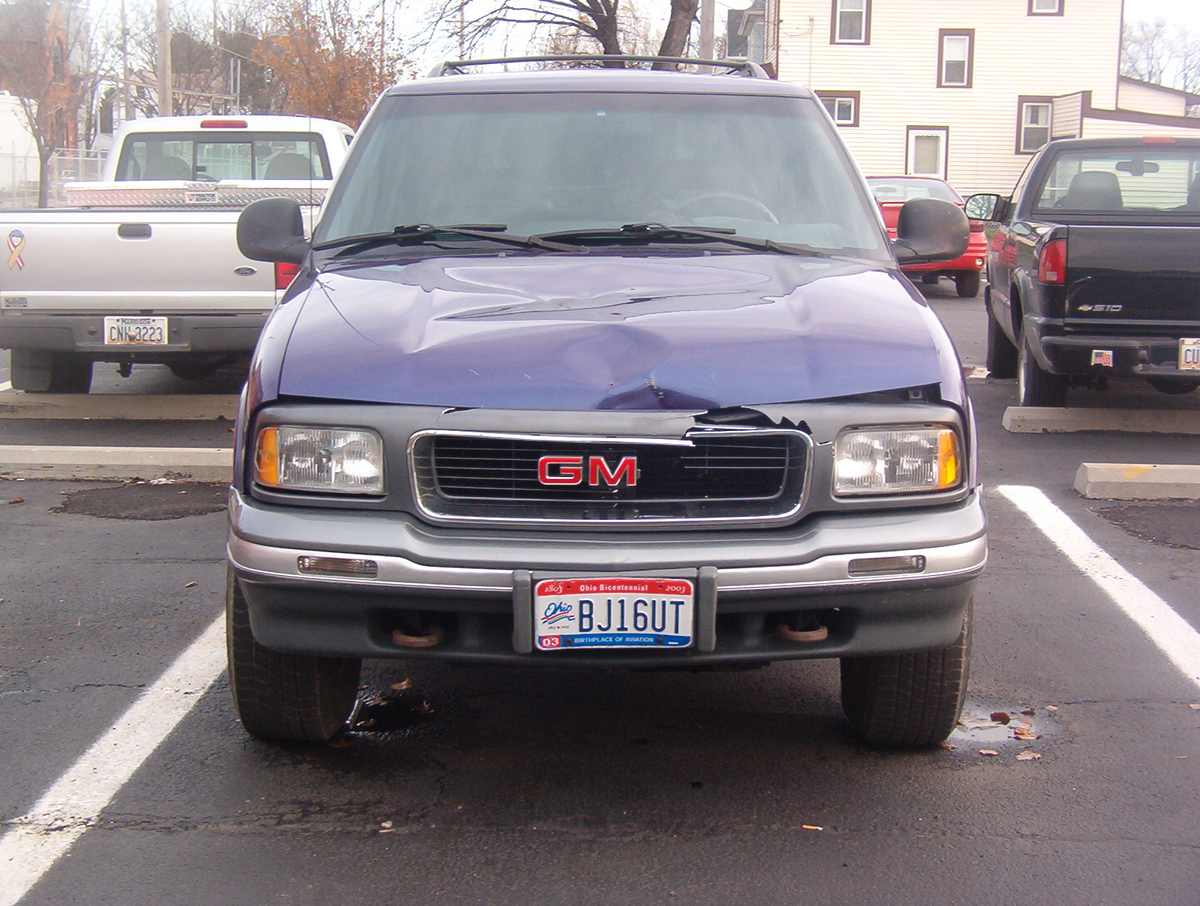
State minimums are a legal threshold, not a safety standard. Many were set in a different cost era, when medical care and repairs cost far less. One modern at-fault crash can generate bills that exceed minimum property-damage and bodily-injury limits quickly. When bills pass your limit, cover stops and you do not: the driver is personally liable for the excess, and wages, savings, and other assets are the backstop.
To judge any limit, learn to read the format. Liability limits are often written as three numbers separated by slashes. In a generic example like 25/50/25, the first number is the bodily-injury limit per person, the second is the bodily-injury limit per accident, and the third is the property-damage limit per accident, all expressed in thousands. This is a reading skill only — it is not any state's actual minimum.
The sizing principle follows: liability limits should scale with what you have to lose — assets plus future income — not with the car's value. A driver with a home and savings has more at stake than the state minimum was designed to protect. That is why honest guidance gives a principle, not a prescription.
Collision and comprehensive on a new car
Liability cover pays others when you are at fault. Collision and comprehensive protect the car itself — collision for crash damage, comprehensive for theft, weather, fire, and similar non-crash losses. On a new car, its high value makes both expensive to skip while a loan exists or the value is significant. Without them, a write-off brings no payout to replace the car or settle what you owe.
As the car ages, the balance shifts. Weigh the annual cost of collision and comprehensive against the maximum they could pay — never more than the car's actual cash value minus your deductible. Many owners use a rough test like this, as a judgement framework rather than a rule: if the combined annual premium approaches a meaningful share of the car's value, and you could absorb a total loss from savings, dropping one or both becomes rational to consider. If you could not absorb it, keep the cover. Revisit the test at renewal.
The deductible rule: match it to your cash reserve
The real lever inside collision and comprehensive is the deductible — what you pay out of pocket before the insurer pays the rest. Choose the highest deductible you could pay tomorrow, in cash, without borrowing — because the deductible is due at the worst moment, right after a crash, when you may also face time off work or other costs. A deductible that requires a credit card or a loan in a crisis is set too high.
Directionally, a higher deductible means a lower premium, and a lower deductible means a higher premium, because you take on more or less of the risk yourself. That trade-off only works if the reserve is real. Keeping an emergency reserve equal to the deductible is part of the same decision — set the deductible and fund the reserve together.
Contract caps matter too. Financed and leased buyers cannot choose a deductible above their agreement's maximum, no matter their cash position. Check the cap first, and see the full-coverage requirements that come with a financed or leased car for how the contractual package fits together.
A note on GAP: Liability, collision, and comprehensive never pay more than the car's actual cash value. A financed new car can owe more than that early on, because the loan balance falls more slowly than the car depreciates. GAP covers that difference — see what GAP insurance is and when it matters.
Protecting yourself from drivers with too little cover
Uninsured and underinsured motorist cover is commonly under-bought, yet on a new-car policy it is one of the highest-value components relative to its role. It protects you when the at-fault driver has no insurance, or only minimum limits that cannot cover your injuries and losses. You cannot control the other driver's policy; this cover stops their decision becoming your problem.
Alongside it, medical payments cover and personal injury protection help with medical costs regardless of fault, but which applies, and whether it is mandatory, varies by state regime. Some states operate no-fault systems and others tort-based systems, and that system determines which covers your state requires. Check your state's rules when you buy.
Practical steps before and after you buy
Treat insurance as part of the purchase. Get quotes for the exact car — model and trim — before you commit, because the premium is part of its real monthly cost alongside the loan payment, fuel, and maintenance. Our guide to how much car you can afford shows how to build that picture. The Consumer Financial Protection Bureau's guidance on what you can negotiate when shopping for a car or auto loan also helps when comparing the overall deal.
After you buy, re-shop cover at renewal rather than auto-renewing blindly. Re-size whenever life changes the calculation: when the loan ends, as the car ages and passes the value test above, or when your assets and income grow.
Conclusion
So, how much car insurance should you need? Start with the floor your buy type imposes — a lender's or lessor's contract if you finance or lease, or the legal minimum if you paid cash — then size deliberately above it. Set liability by what you have to lose, keep collision and comprehensive while the car's value justifies them, choose a deductible you could pay tomorrow in cash, and do not skimp on uninsured motorist cover. Quote the exact car before you buy, and revisit the package at renewal — price the car itself with our how much car insurance do you need invoice pricing guide, then run the financed total in our how much auto insurance do you need calculator.
Frequently asked questions
Is the state minimum enough insurance for a new car?
For most drivers, no. The minimum is only the legal floor, and a single serious at-fault crash can produce bills well above minimum limits, leaving you personally liable for the rest. If you finance or lease, your contract will usually require more anyway, including collision and comprehensive.
Can I drop collision and comprehensive to save money?
If you own the car outright, yes — that choice is yours. While a loan or lease is active, your agreement almost certainly requires both covers, so dropping them would breach the contract. For cash buyers, the test is whether you could absorb a total loss from savings; if not, keep the covers.
How should I choose my deductible?
Choose the highest deductible you could pay tomorrow, in cash, without borrowing, and keep a reserve equal to it. A higher deductible lowers your premium and a lower one raises it, but the saving is only real if you can pay it comfortably right after a crash. Financed and leased drivers must also stay within any cap in their agreement.
Do I need uninsured motorist cover if I already have health insurance?
They do different jobs. Health insurance helps with medical bills, while uninsured and underinsured motorist cover steps into the place of the at-fault driver's missing or inadequate liability cover, which can include losses health insurance does not address, such as lost income, depending on the policy. For a new-car policy, it is one of the most valuable covers to carry at a meaningful level. How much car insurance do you need? By now you have the full answer — use it to judge every offer on the same terms.




Get the number dealers start from.
Invoice, estimated true cost, out-the-door — before any dealer hears your name.