
New Car Insurance Costs: Why Model Choice Changes Premiums
Insurance costs for a new car, in short: the same driver at the same address can be quoted very different premiums on two cars at the same price — insurers price the claims a model generates, not the badge.

New car insurance costs surprise buyers who assume the premium follows the driver, not the car. In reality, the same driver, at the same address, with the same coverage, can be quoted very different premiums on two cars at the same purchase price — because insurers price the claims a model generates, not the badge on its grille. Repair costs, theft rates, safety performance and even the trim level you choose all feed the calculation. This guide explains what drives premiums before you choose your next vehicle, so insurance becomes part of the purchase decision instead of an afterthought at the finance desk.
What Moves a Premium, Factor by Factor
| Vehicle factor | How it influences the premium |
|---|---|
| Purchase price and repair cost | Expensive cars and costly parts cost more to repair or replace after a claim |
| Claim history of the model | Models with higher claim frequencies or severities are priced accordingly |
| Safety ratings and injury record | Strong crash performance is associated with lower injury claim costs |
| Crash-avoidance technology | Can reduce claim frequency, while raising the cost of the repairs that remain |
| Theft likelihood | Frequently stolen models and trims attract higher comprehensive premiums |
| Trim and engine | Higher-performance variants are quoted as higher risk than base versions |
| Body style and use profile | Some categories carry claim patterns insurers price up regardless of the driver |
New car insurance costs: why the model matters as much as the driver
The Insurance Information Institute's explanation of auto pricing starts with the car itself: its price, its repair costs, its safety record and its likelihood of being stolen all enter the premium, alongside your own record, location and coverage choices. Insurers hold loss data for every model — the Highway Loss Data Institute publishes relative claim costs by vehicle — and two models that look interchangeable in a showroom can sit far apart in those tables.
This is why insurance belongs in the buying process, not after it: ask how much is insurance on a new car before you fall for the car itself. The monthly premium is part of the car's true running cost, alongside fuel, maintenance and depreciation. A model that is cheaper to buy but dearer to insure can lose its advantage within a couple of years of ownership. When you compare finalists, compare them as total packages — our framework in how much car can you afford builds insurance into the budget the same way.
The safety technology paradox
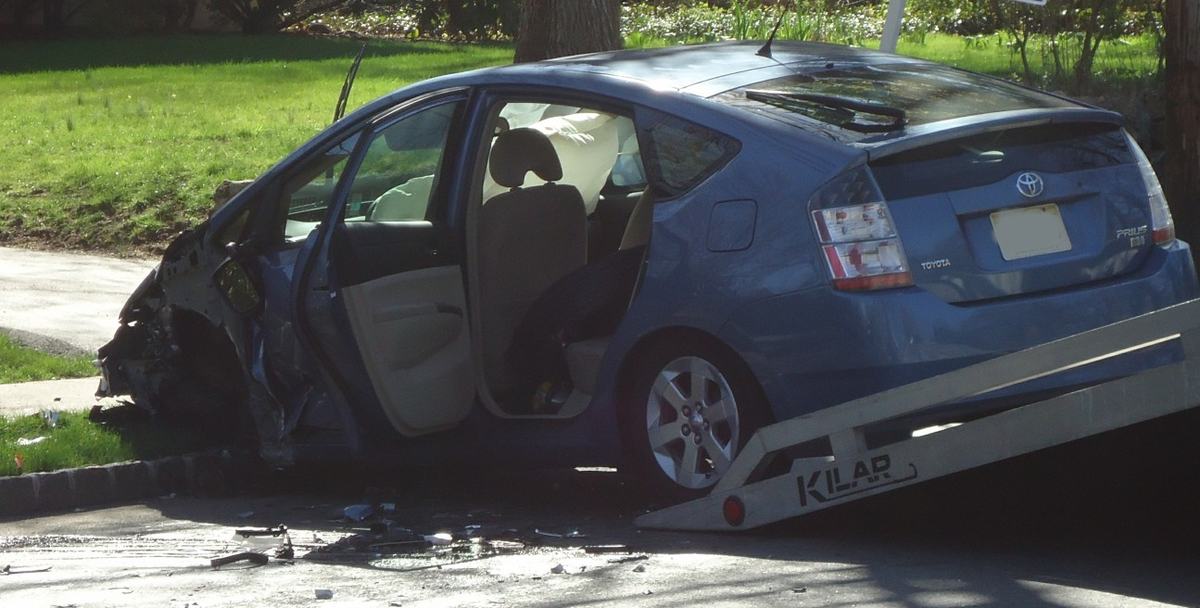
Modern safety equipment pulls premiums in two directions at once. Crash-avoidance systems — automatic emergency braking, lane-keeping assistance, blind-spot monitoring — prevent claims entirely, and strong crash-test performance reduces the injury costs of the crashes that still happen. The NHTSA 5-Star ratings and IIHS awards exist to make those differences visible, and insurers' loss data reflects them.
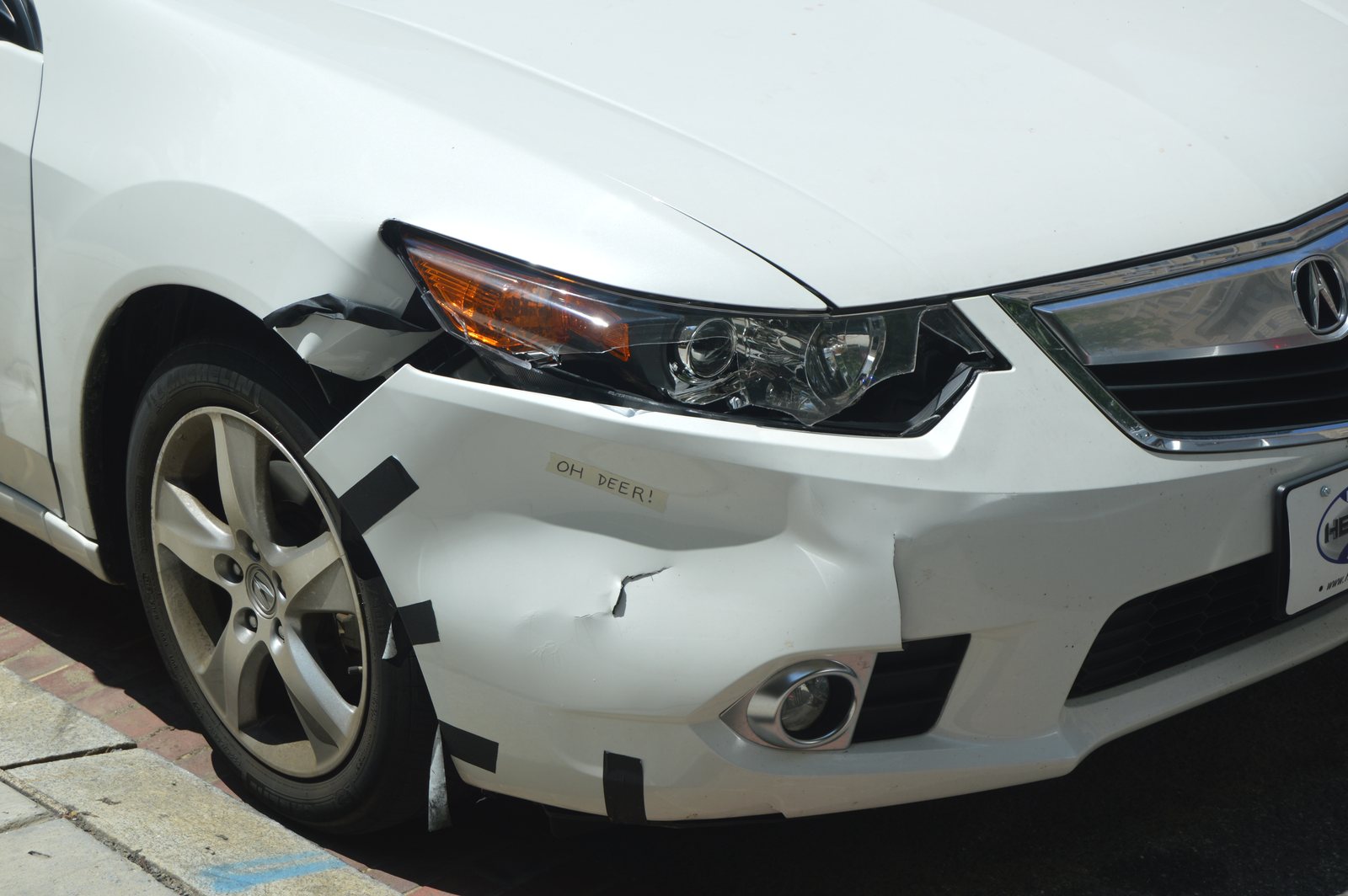
But the same technology makes surviving crashes more expensive to repair. A minor front-end knock that once meant a bumper and a headlamp can now involve radar sensors, cameras and a calibration procedure. Insurers price both effects — fewer claims, costlier claims — and the balance differs by model depending on how the systems are packaged and how expensive the parts are. The practical lesson is not to avoid safety technology; it is to stop assuming a safer car is automatically a cheaper one to insure, and to check the actual quotes.
Trim, engine and the price of enthusiasm
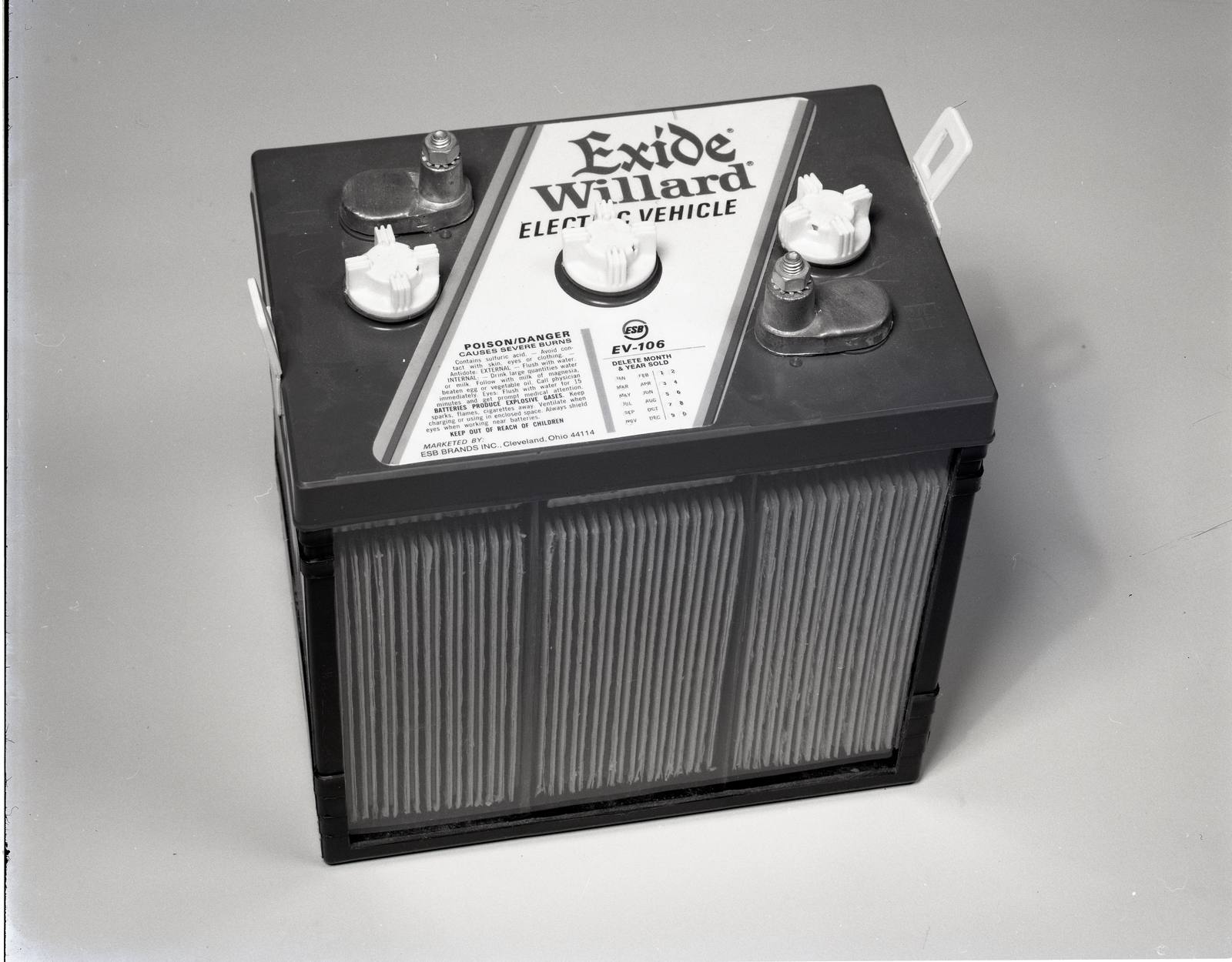
Within one model line, premiums climb with performance. The turbocharged, big-wheeled, sport-badged trim is quoted differently from the base trim bought by commuters, even at the same address with the same driver — insurers' data shows those variants generate different claims. Electric vehicles carry their own pattern: specialized parts, fewer qualified repairers and battery-related repair costs shape their premiums, which is one more reason to read our guide to EV battery warranty explained alongside any EV shortlist.
Two ownership rules also set a floor under your costs. If you finance or lease, the lender or lessor requires comprehensive and collision coverage — you cannot economize by dropping them — and typically requires deductibles within set limits. On a lease, the leasing company's insurance conditions are part of the contract you already signed, as our guide to leasing vs buying a car explains. Factor those required coverages into any premium comparison, at identical limits and deductibles, or the comparison is meaningless.
New car insurance costs: how to check before you buy
The check costs nothing and takes an afternoon. Shortlist your final two or three models — specific trims, not just model names. Ask your current insurer, and at least one competitor, to quote each car at exactly the same coverage levels, deductibles and annual mileage, with the same drivers. Insurers can quote from the model and trim before you have a VIN, and precisely once you do.
Then read the quotes as buying information. If one finalist carries a strikingly higher premium, ask why — sometimes the answer is a theft pattern or a repair-cost quirk you would want to know anyway. Add the premium difference to the ownership comparison next to fuel and servicing, and negotiate the car itself with invoice pricing as your reference. A few hundred a year of premium difference, either way, is real money across the years you will own the car.
Frequently asked questions
Are new cars always more expensive to insure than older cars?
Usually the premium is higher, because the car is worth more to repair or replace and financed cars must carry comprehensive and collision coverage. But it is not a law: a new model with excellent safety ratings and cheap parts can cost less to insure than an old model with poor loss history. Quotes, not assumptions, settle it.
Does the color of the car affect the premium?
No — color is an enduring myth. Insurers price the model, trim, engine, model year, repair costs, safety and theft record of the car, plus you, your location and your coverage. They generally do not even ask the color when quoting.
Will a higher trim of the same car really cost more to insure?
It can. Insurers rate specific versions, and sport or high-performance trims typically carry worse claim patterns and costlier parts — larger wheels and tires alone raise repair bills. Quote the exact trim you intend to buy, not the base model, or your estimate will flatter you.
Can I lower the premium by raising my deductible?
Yes — a higher deductible means you absorb more of each claim, and the premium falls accordingly. Whether that trade is wise depends on your emergency savings, not on the quote screen. On a financed or leased car, the lender or lessor may cap how high the deductible can go, so check the contract limits first.
Conclusion: count new car insurance costs before you commit
New car insurance costs are a model-level fact, not a driver-level constant: repair bills, claim history, theft, safety technology and trim choice move premiums as surely as your own record does. Quote your finalists at identical coverage before you buy, fold the difference into the total cost of ownership, and the car that wins on price alone may not win at all — check its price with our new car insurance costs invoice pricing guide, then run the total in our insurance costs for a new car calculator. Start at MyCarDiscount.com.


Get the number dealers start from.
Invoice, estimated true cost, out-the-door — before any dealer hears your name.