
Best New Cars Under $50000: Hardware, Quiet and Comfort
Top new cars under 50000: at this money, well-equipped mainstream cars often include more than entry-luxury base trims — chosen here on hardware, quiet and comfort, not badge tax.
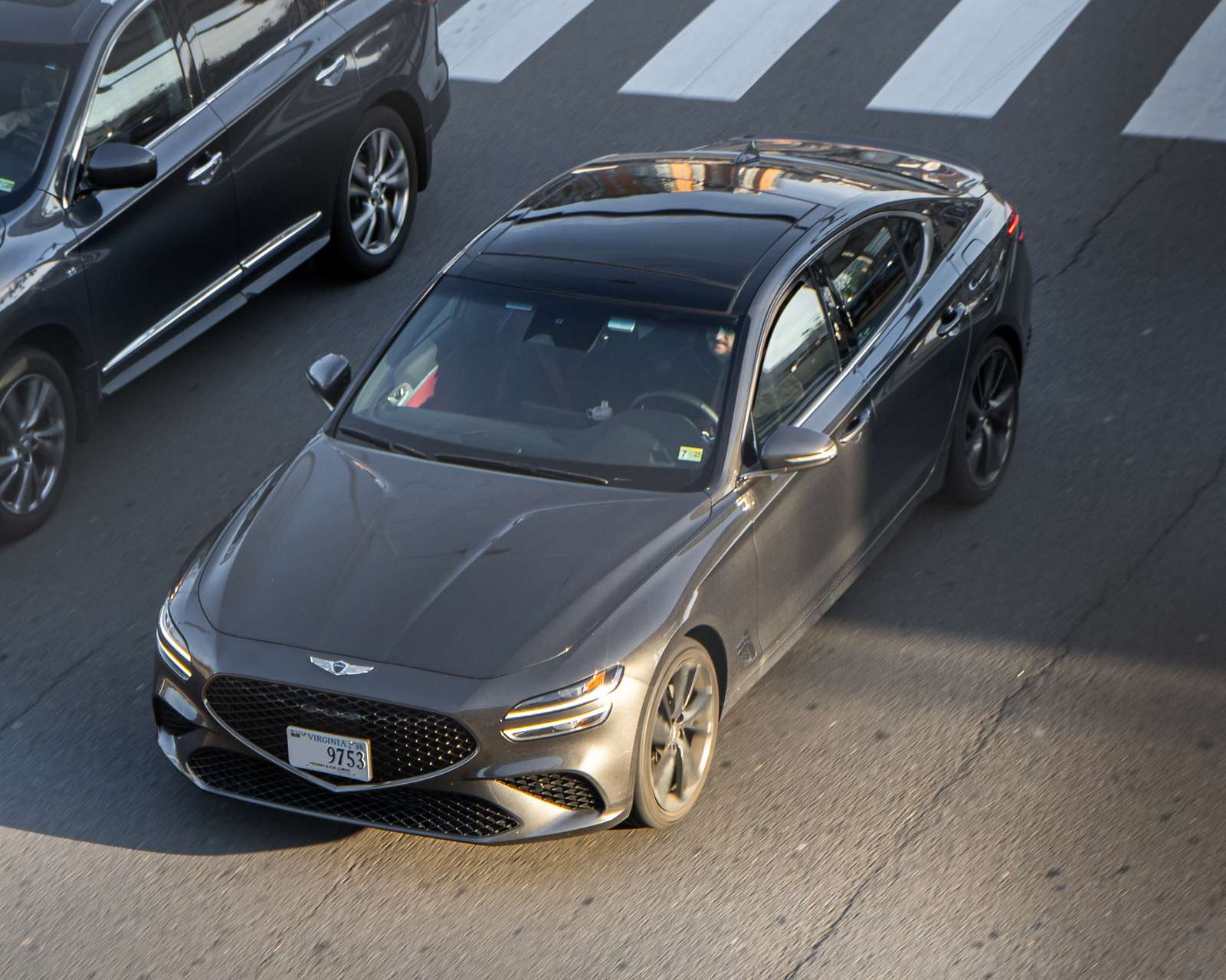
The best new cars under 50000 dollars are not stripped-down compromises. At this price, mainstream and near-premium nameplates deliver what buyers feel every day: a quiet cabin on the highway, a large integrated screen that is easy to use, materials that do not feel rental-grade, supportive seats, confident power, and full driver assistance. Entry-luxury base trims often include less standard equipment than a well-equipped mainstream car at the same money.
What the badge tax really is
The badge tax is the price gap between a badge and a comparably equipped mainstream car that buys brand and ambience rather than hardware. Badge-tax cars are not necessarily bad cars. The tax is simply the part of the price that does not show up as a quieter cabin, a better seat, more power, or more standard equipment.
That matters most under $50,000. Luxury brands protect their image with base-trim pricing, so their smallest cars often start near this ceiling with modest equipment, and advertised features sit in packages above it. A mainstream flagship trim is meant to be its best version, so premium seating, audio, acoustic glass, and driver assistance where offered are more likely bundled in.
This is not snobbery in reverse. Some picks are top mainstream trims, and their luxury rivals start where these picks are already well equipped. Compare equipment per dollar for how you drive.
Best new cars under 50000: the ranked picks
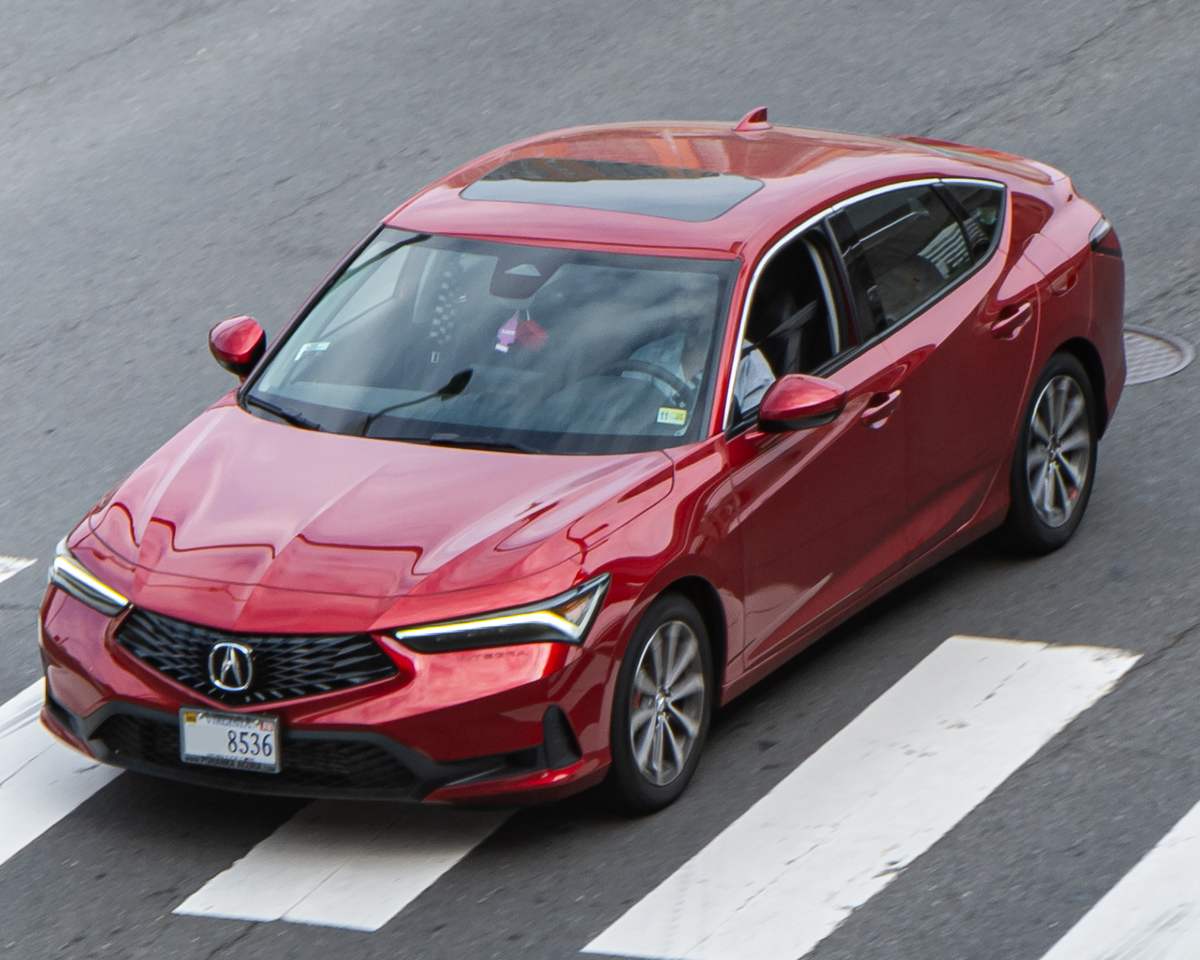
All seven picks are current US-market models with a starting MSRP under $50,000 before destination. The near-luxury experience usually lives in middle and upper trims, so treat the starting price as permission to shop the range — and read the out-the-door section first.
| Rank | Model | Body style | Near-luxury trait that earns its place | Honest compromise |
|---|---|---|---|---|
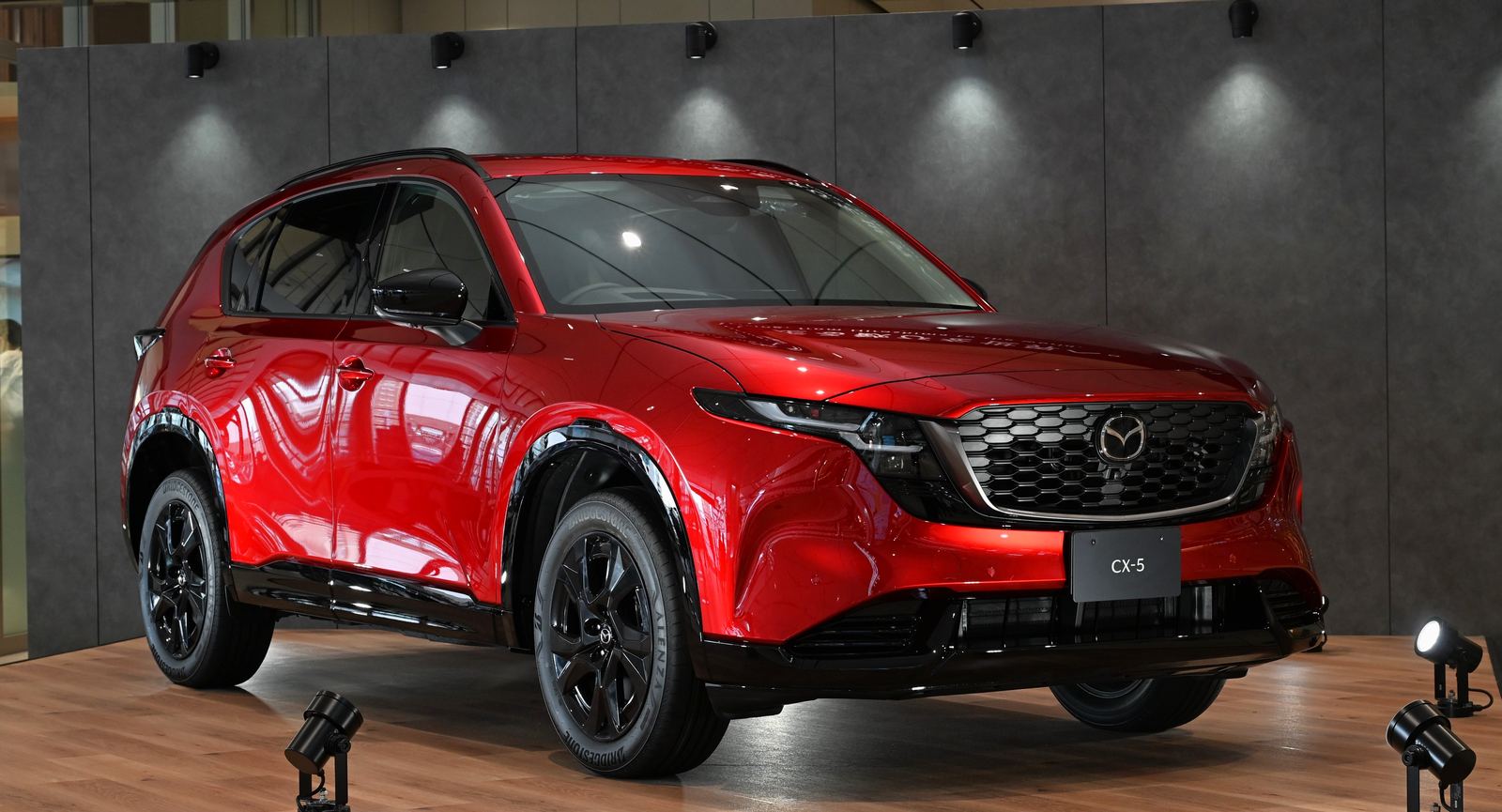
| 1 | Mazda CX-5 | Compact SUV | Upscale materials and a composed, quiet ride | Smaller cargo area; luxury rivals offer a plusher dealer experience |
| 2 | Honda Accord | Midsize sedan | Refined, spacious cabin and clean screen layout | Best feel is in upper trims; luxury rivals offer higher-grade trim options |
| 3 | Toyota Camry | Midsize sedan | Hybrid smoothness, quiet cruising, strong driver assistance | Sensible rather than indulgent cabin; luxury rivals feel more bespoke |
| 4 | Honda CR-V | Compact SUV | Roomy, well-finished cabin and comfortable seats | Upper trims need price care; luxury rivals offer more power choices |
| 5 | Kia Telluride | Three-row SUV | Big-vehicle space with a calm, upscale cabin | Large to park and fuel; luxury three-rows offer finer materials |
| 6 | Toyota Crown | Sedan | Premium-leaning cabin and quiet hybrid cruising | Starts high in this bracket; luxury rivals offer more powertrain choice |
| 7 | Subaru Outback | Wagon / SUV | Long-distance seats and standard all-wheel drive | Practical rather than plush; luxury rivals are quieter in detail |
1. Mazda CX-5 — compact SUV, for drivers who notice cabin feel. The clearest badge-tax answer here. Interior design, materials, and ride composure are the reasons to buy it, and they show up within minutes of a test drive. Most buyers will want a middle or upper trim for the full effect. Warranty cover is conventional — competitive, not generous. A luxury rival may beat it on seat customisation and service experience, not necessarily on cabin feel at this money.
2. Honda Accord — midsize sedan, for commuters who want space and calm. Refinement, not flash: a spacious cabin, settled highway manners, and thought-through controls. Upper trims make the near-luxury case strongest, so shop the range honestly. A luxury sedan may offer richer materials grades and a hushed service lounge, but rarely this room and equipment at a comparable out-the-door price.
3. Toyota Camry — midsize sedan, for effortless ownership. Hybrid smoothness helps quiet low-speed driving and relaxed cruising, with straightforward screens and strong driver assistance. It suits drivers who want premium to mean undemanding. The compromise is ambience: well made and sensible, while luxury rivals work harder on lighting, trim detail, and theatre.
4. Honda CR-V — compact SUV, for families who want refinement without bulk. Space, seat comfort, and a finished feel that holds up with passengers and luggage aboard. The sweet spot is usually above base trim, so compare a well-equipped CR-V against an entry luxury SUV at similar money and count what is included. Warranty character is mainstream-standard. Luxury rivals offer stronger power and a more tailored cabin; the CR-V answers with practicality per dollar.
5. Kia Telluride — three-row SUV, for buyers who need real space. Few vehicles under this ceiling feel as expensive inside: three usable rows, a calm presentation, and features families notice on long trips. Be honest about size, running costs, and trim creep. Luxury rivals offer finer grades and prestige; the Telluride offers space first.
6. Toyota Crown — sedan, for buyers who want something different. Closest here to a traditional luxury formula: a raised sedan stance, a premium-leaning cabin, and quiet hybrid cruising. Because it starts higher in this bracket, there is less headroom for upper trims before the out-the-door total passes $50,000, so spec it carefully. Luxury rivals offer more engine choice and cachet; the Crown offers distinctiveness without that pricing structure.
7. Subaru Outback — wagon and SUV in one, for all-weather comfort. Long-distance seat comfort, standard all-wheel drive, and a ride tuned for rough roads. Its luxury is arriving unruffled in bad weather, with room for gear. The cabin is durable rather than plush, and quietness, while good, is not its headline act. Luxury crossovers offer plusher detailing; the Outback offers capability as standard.
The honest counterweight: what luxury badges do well
Badges are not pure vapour. Luxury brands can bundle genuinely better grades of seat and cabin materials, more personalisation, and in some cases a stronger resale character. Dealer service can also differ: some luxury brands offer loaner cars and pickup and delivery for service, though what is included varies by brand and dealer and should be confirmed, not assumed.
If those things are worth the premium, buy the badge knowingly. This list is for the other buyer — one who sits in a well-equipped mainstream cabin, feels no lack, and would rather keep the difference. Both choices can be rational.
Starting under $50,000 is not out the door under $50,000
Starting MSRP is not the price you pay. As the Federal Trade Commission notes, the sticker price excludes taxes and fees, and buyers should get the out-the-door price in writing. Destination, dealer and government fees, and sales tax go on top. A car starting at $48,000 is comfortably past $50,000 out the door in most states once those items are added, even before extras — simple arithmetic, not a scare tactic.
Translate your budget first. If $50,000 all-in is a hard limit, in many states look at a starting MSRP in the mid-$40,000s, and watch upper trims closely. Our explainer on out-the-door pricing walks through each line to check.
What the extra money buys over the under-$40,000 tier
Our guide to the best new cars under $40,000 covers the tier below. The extra roughly $10,000 typically buys larger vehicles, more power, upper trims fully rather than partly loaded, and on some nameplates hybrid or performance variants. It does not automatically buy a better car for you: a fully loaded smaller car can feel more luxurious daily than a larger base-trim car.
How to shop this bracket without overpaying
Compare identical specifications, not headline prices. Ask each dealer for a same-spec, itemised out-the-door quote in writing, with destination, fees, and tax separated. Our guide to how to negotiate a new car price shows how to run that process, and our top new cars under 50000 payment calculator helps sense-check the monthly maths first.
MyCarDiscount is building its best new cars under 50000 guide invoice pricing tool to launch with licensed data, so this post gives no invoice, dealer-cost, or typical-discount figures for any model — we do not publish numbers we cannot license and verify. See our methodology for how we handle pricing data.
Frequently asked questions
Are mainstream cars really as quiet as luxury cars under $50,000?
Many are close enough that most drivers would not feel short-changed, especially upper trims with acoustic glass and careful insulation. Luxury rivals can still be quieter in detail, but quietness alone rarely justifies the badge premium here. Judge it on the same road, at the same speed, on your test drive.
Should I buy the top trim of a mainstream car or the base trim of a luxury car?
For equipment per dollar, usually the top mainstream trim — it is more likely to include the screens, seating, audio, and driver assistance shown in advertisements. Buy the base luxury trim if brand, materials grades, service experience, or resale character matter more, and confirm exactly what it includes first.
Can I stay under $50,000 out the door with these picks?
Yes, usually by choosing the starting end of the range or a middle trim, not a fully loaded upper trim. Destination, fees, and tax sit on top of MSRP, so a hard all-in $50,000 budget often maps to a starting MSRP in the mid-$40,000s. Get the itemised total for your exact trim in writing.
Do these cars hold their value as well as luxury brands?
It varies by model, and this post makes no resale ranking. Some luxury brands have a stronger resale character; some mainstream nameplates here also see steady used demand. If resale is a top priority, research the specific model and trim, not the badge in either direction.
Conclusion: best new cars under 50000, chosen on hardware
The best new cars under 50000 dollars prove a simple point: near-luxury is now a specification, not a badge. Quiet cabins, big screens, good seats, strong power, and full driver assistance are available from mainstream nameplates whose top trims are their best, not cheapest, versions. Among the best new cars under 50000 compared here, start with the Mazda CX-5, Honda Accord, and Toyota Camry, consider the Honda CR-V, Kia Telluride, Toyota Crown, and Subaru Outback, and let itemised out-the-door quotes — not emblems — settle the choice at MyCarDiscount.com.


Get the number dealers start from.
Invoice, estimated true cost, out-the-door — before any dealer hears your name.