
Best Cars for Tall Drivers: Headroom and Legroom That Fit
Best cars for tall drivers compared: spec sheets print headroom to the tenth of an inch — this ranking uses those measurements plus seat-travel reality to shortlist cars a 6'4" driver can live with.
Key Takeaways
- Published headroom is the best-case roof: a sunroof can cost up to 1.6 inches — the Kia EV9 drops from 41.2 inches without one to 39.6 with.
- The Kia Telluride from $39,190 is the value fit: up to 41.2 inches of front headroom plus 43.0 inches of second-row legroom behind a tall driver.
- The Chevrolet Tahoe posts the class maximum — 42.3 inches of headroom and 44.5 of legroom — from $60,700; the Palisade delivers most of that fit for $41,035.
- Spec sheets only shortlist: run the five-minute fit test — seat set to your driving position, a fist's width overhead, then sit behind yourself before signing.
Finding the best cars for tall drivers means weighing space, safety, running costs and price together — this guide ranks the contenders on exactly those terms. Tall drivers learn to read spec sheets the way pilots read weather: the headline number is real, but the conditions decide whether it applies to you. A sunroof can delete an inch and a half of headroom between two trims of the same car. Front legroom says nothing about whether the seat track actually travels far enough back, or whether anyone can sit behind you once it does. This ranking uses the manufacturers' published measurements — the same figures every rival list copies — and then applies the reality checks those lists skip: roof configuration, second-row consequences, and price. Two honest notes before the table: the biggest boxes start just over $60,000, and the best tall-driver value on this page is a three-row SUV under $40,000.
Best Cars for Tall Drivers at a Glance
| Model | Starting MSRP | Front headroom | Front legroom | The tall-driver catch |
|---|---|---|---|---|
| Kia Telluride | $39,190 | 40.0–41.2 in | 41.4 in | Cheapest real fit; 43.0 in of second-row legroom too |
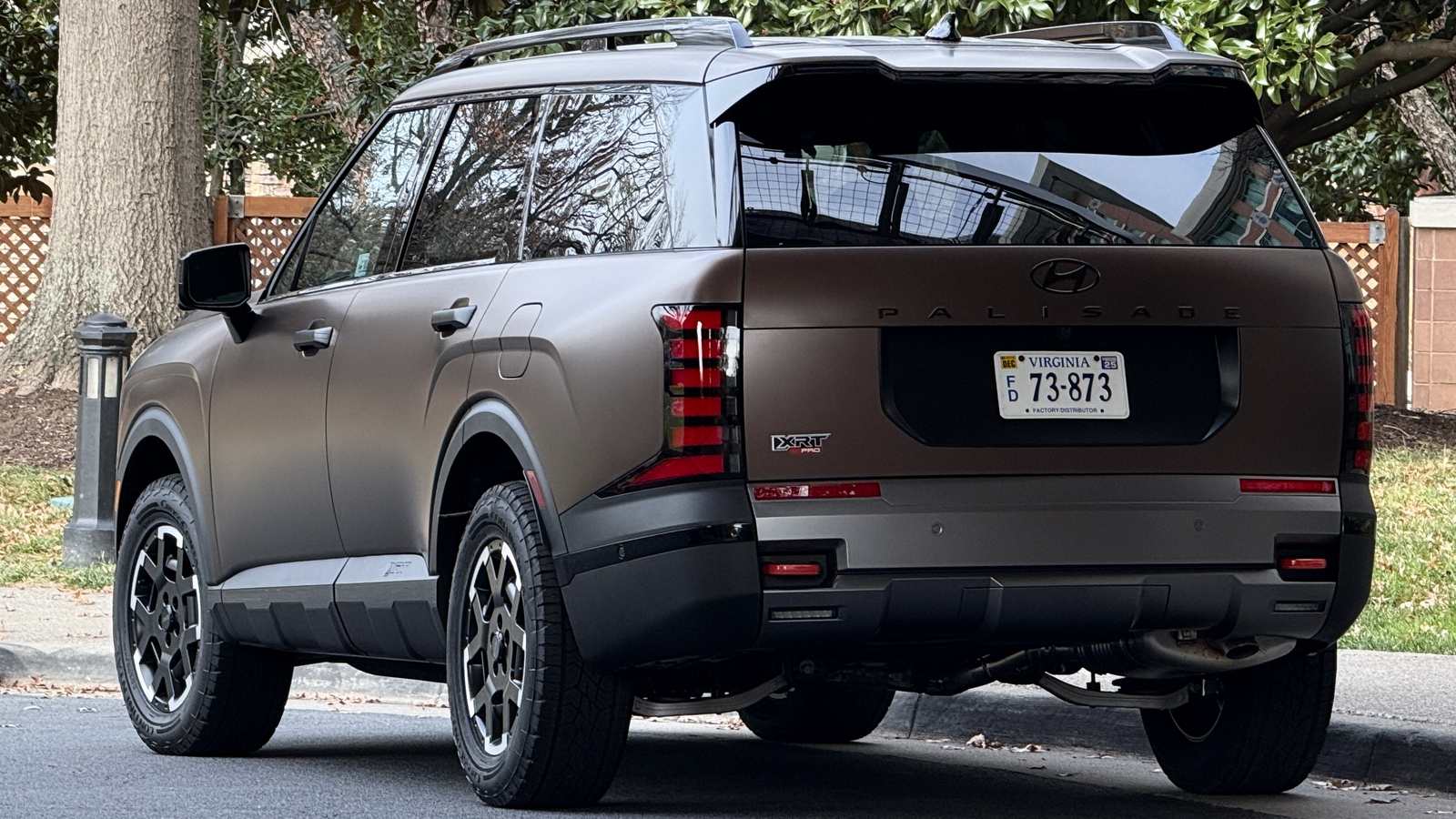
| Hyundai Palisade | $41,035 | 40.1 in | 44.2 in | The most front legroom per dollar here |
| Ford F-150 | $40,085 | 40.8 in | 43.9 in | Identical front room in every cab; SuperCrew rear legroom 43.6 in |
| Kia EV9 | $57,900 | 41.2 in (39.6 in with sunroof) | 41.4 in | The electric pick — but spec the roof carefully |
| Chevrolet Tahoe | $60,700 | 42.3 in | 44.5 in | Class maximum on both measures; priced like it |
| Ford Expedition | $62,400 | 41.8 in | 43.9 in | Near-Tahoe room, the priciest start here |
Prices are starting MSRPs; dimensions are the manufacturers' published figures for the roof and trim configurations noted.
How to Read Headroom and Legroom Numbers
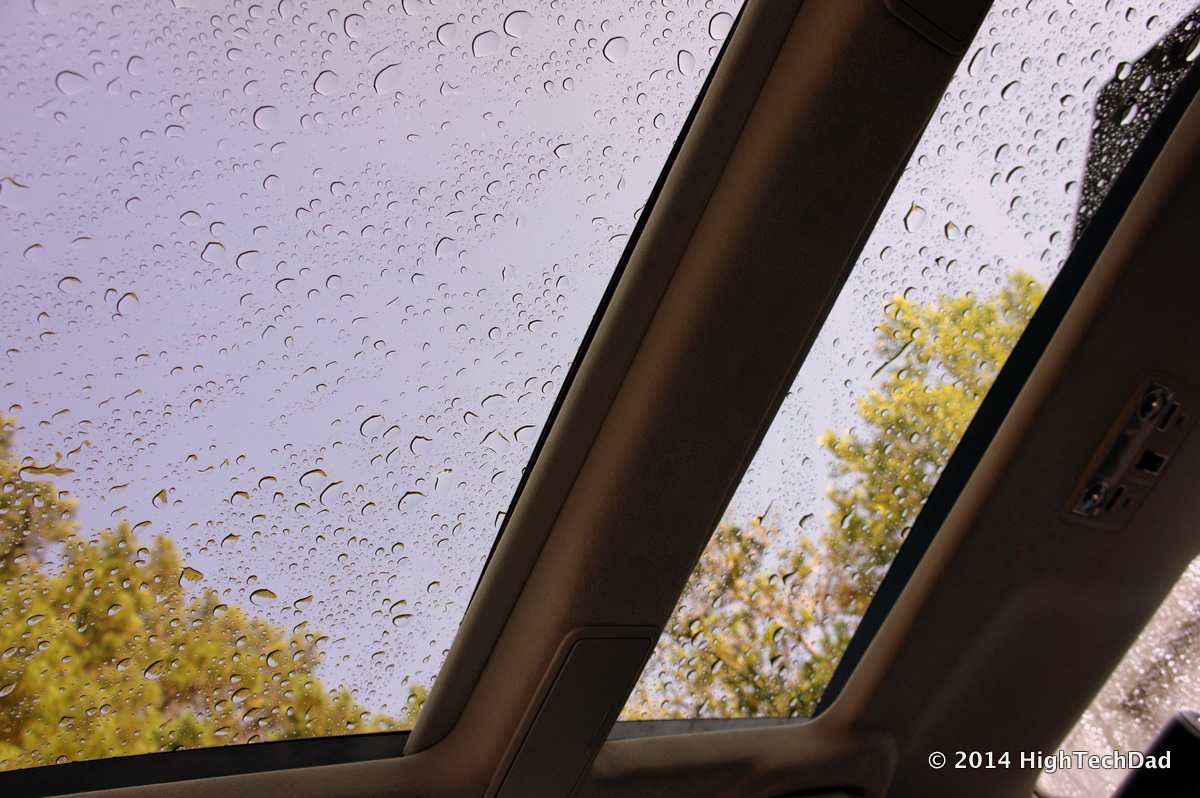
Headroom is measured to the roof, not to your trim's roof. Manufacturers publish the best figure, usually the version without a sunroof. The Kia EV9 makes the cost concrete: 41.2 inches of front headroom without a sunroof, 39.6 inches with one — a 1.6-inch penalty that can be the whole difference between fitting and brushing the headliner. The Telluride prints the same warning as a range: 40.0 inches with the dual sunroof, 41.2 with the single. When a listing just says "41 inches of headroom," ask which roof earned it.
Legroom is a tape measure, not a fit guarantee. The published figure is a standardized measurement, but what a tall driver feels is seat travel, thigh support and how upright the seatback can sit before knees meet the wheel. Two cars with identical legroom numbers can fit completely differently. Equally, where your height lives matters: a 6'4" driver with a long torso shops headroom first, while a 6'4" driver with a 36-inch inseam shops legroom and seat travel. The numbers below are the shortlist tool; the fit test at the end of this article is the decision tool.
The seat behind you is part of the spec. A driver who slides the seat to the end of its travel in a compact car has usually deleted the rear seat. Two models here defend the second row honestly: the Telluride pairs its 41.4 inches of front legroom with 43.0 inches in the second row, and the F-150 SuperCrew posts 43.6 inches behind a front row that already offers 43.9. If tall people ride in both rows, those pairings outrank a bigger front number with nothing behind it.
The Shortlist
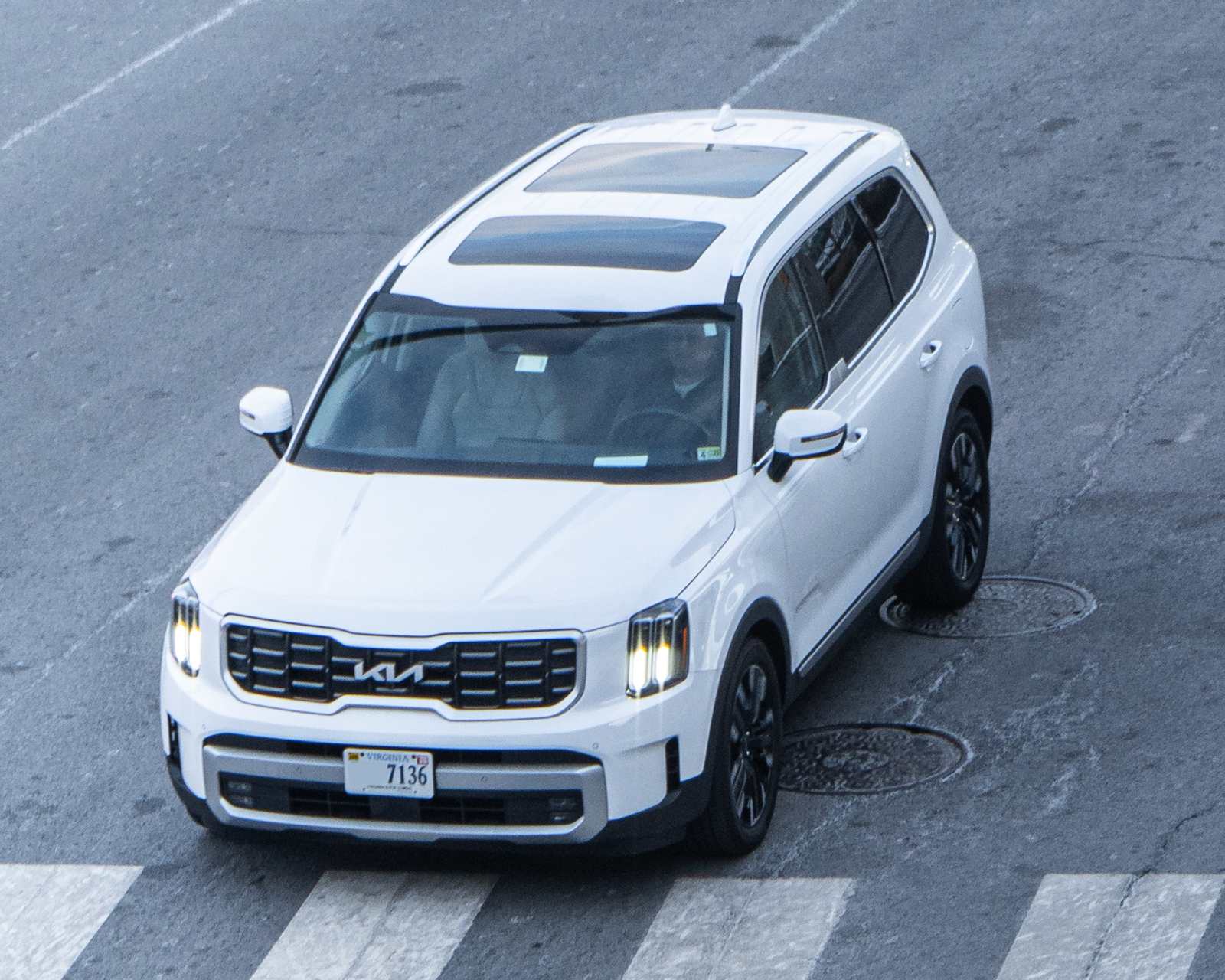
Kia Telluride — the value champion. From $39,190, the new-generation Telluride offers up to 41.2 inches of front headroom and the class's most useful second row (43.0 inches). Choose the roof deliberately — the dual-sunroof versions are the 40.0-inch ones. Shoppers comparing the Korean cousins should read our Kia Telluride vs Hyundai Palisade breakdown before deciding.
Hyundai Palisade — legroom per dollar. The Palisade's 44.2 inches of front legroom is within three-tenths of the Tahoe's class best, in a vehicle starting at $41,035 including destination. Headroom is the compromise at 40.1 inches by Hyundai's own specification — long-legged drivers win here; long-torso drivers should sit in one before committing.
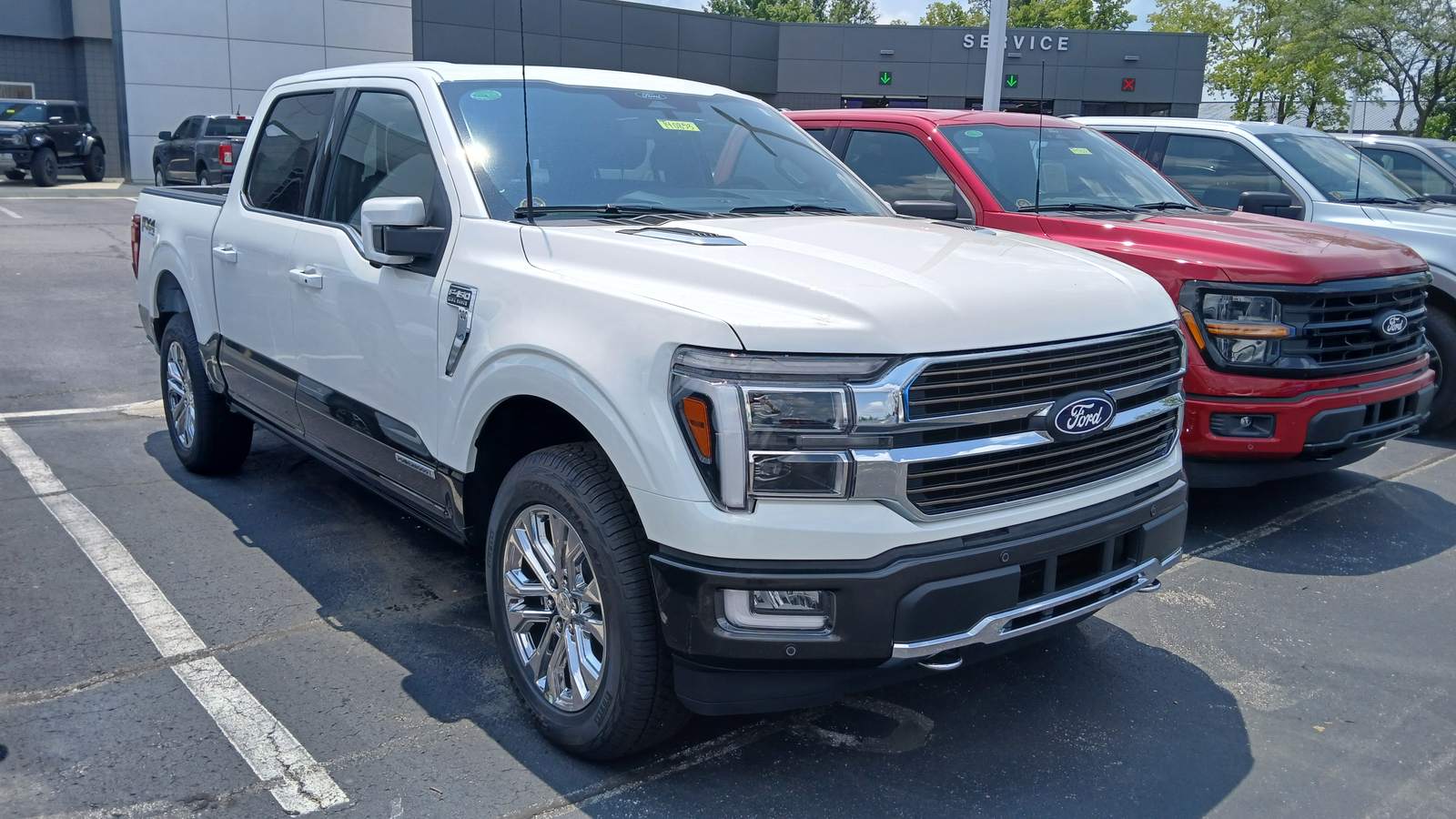
Ford F-150 — the truck that fits like a standard. Ford publishes 40.8 inches of headroom and 43.9 inches of legroom for every F-150 cab, so the tall-friendly numbers do not require the expensive configuration. The XL starts at $40,085, and the SuperCrew's 43.6 inches of rear legroom make it the only vehicle here that fits tall adults in both rows at a work-truck price. Our Ford F-150 vs Chevrolet Silverado comparison covers the ownership side.
Kia EV9 — the electric option, with a roof warning. The EV9's flat electric floor and 41.2 inches of no-sunroof headroom make it the EV a tall driver should test first, and its 42.8 inches of second-row legroom protect the passengers. Just hold the line on the roof: sunroof trims drop to 39.6 inches, which moves it from the top of this list to the middle of the class.
Chevrolet Tahoe — the maximum. The Tahoe posts the biggest numbers in mainstream production: 42.3 inches of headroom and 44.5 inches of legroom, with 42.0 inches in the second row. It is the answer when nothing else fits, priced from $60,700 to admit it. Drivers who do not need the third row or the tow rating are paying for space they may not use — the Palisade delivers most of the fit for about two-thirds of the money.
Ford Expedition — the other maximum. At 41.8 and 43.9 inches, the Expedition runs the Tahoe close on both measures and starts at $62,400. Between the two, the decision is brand, ride and deal rather than fit. Cross-shop them on the same day, in the same shoes, with the seats set the same way — the fit test below is how.
The Fit Test to Run at the Dealer
Spec sheets shortlist; they do not sign paperwork. Run this five-minute test in any finalist. Set the driver's seat all the way down and all the way back, then raise it to your actual driving position — headroom is measured at your position, not the floor's. Check for a fist's width above your head at that setting. Slide the seat to your driving position, then sit directly behind yourself: if your knees touch, your rear passengers have already voted. Work the steering wheel's full telescoping range toward you. Finally, get in and out three times; a car you fold yourself into on a calm showroom visit becomes a daily negotiation by February. Families running this test alongside a broader search may also want our best midsize SUVs ranking for the two-row alternatives.
Frequently Asked Questions
How much headroom does a 6'4" driver actually need?
There is no universal number, because height splits differently between torso and legs. As a working guide, most 6'4" drivers fit comfortably at around 40 inches of published front headroom or better — but a long-torso driver can brush the roof in a 41-inch car with a sunroof, while a long-legged driver fits a 39.5-inch car easily. Use the published figures to build a shortlist, then the fit test to decide.
Does a sunroof really reduce headroom?
Yes, measurably. The Kia EV9 drops from 41.2 inches of front headroom without a sunroof to 39.6 inches with one — 1.6 inches of mechanism and headliner. The Telluride's published range, 40.0 to 41.2 inches, is the same effect across its roof options. Tall drivers should treat the sunroof as a fit decision, not just a feature decision, and check which roof the advertised figure belongs to.
Are trucks better for tall drivers than SUVs?
The F-150's 40.8 inches of headroom and 43.9 inches of legroom beat most SUVs and match good ones, and it holds those figures in every cab. But the Tahoe and Expedition SUVs still post the largest numbers outright, and the Palisade delivers near-truck legroom with easier parking and entry. Body style is not the shortcut it seems; the specific model's numbers are what count.
What is the cheapest car here that genuinely fits a tall driver?
The Kia Telluride, from $39,190. Its up-to-41.2 inches of front headroom matches vehicles costing half again as much, and it is the only sub-$40,000 entry whose second row (43.0 inches) still fits adults behind a tall driver. The F-150 XL at $40,085 is the other sub-$41,000 answer if a truck suits the job.
The Bottom Line on the Best Cars for Tall Drivers
Trust the tape, but verify the roof. The Telluride and Palisade give tall drivers real, published room at mainstream prices; the F-150 proves a work truck can fit like a flagship; the EV9 is the electric pick provided the sunroof stays off the order sheet; and the Tahoe and Expedition remain the maximums for drivers nothing else fits. Build your shortlist from the numbers on this page, run the five-minute fit test in each finalist, then compare the survivors deal by deal. The best cars for tall drivers compared in this guide are the ones that fit your life and your budget together — shortlist from the top cars for tall drivers here, then drive them back to back. Start at MyCarDiscount.com.

Get the number dealers start from.
Invoice, estimated true cost, out-the-door — before any dealer hears your name.