
Acura Invoice Prices: ADX, RDX, MDX and Integra in Full
Acura invoice price for every model in the line — SUVs plus one hatchback — set out in full the way the BMW page already does for its German rival, so you can see the dealer's number before you negotiate.
Key Takeaways
- Acura holdback is 2% of base MSRP in the current chart (older charts said 3%) — about $1,000 on a $50,000 base MSRP, illustrative.
- The spread is wider than Honda's but thinner than the German rivals', because equipment is bundled into trims instead of sold as high-margin à-la-carte options.
- The RDX is the most consistently negotiable Acura (volume model, deep stock); the MDX carries the largest dollar spread per vehicle.
- The TLX is not a current model — production ended in July 2025 — so remaining cars are final stock priced by clearance logic, not the current invoice structure.
This guide is built around Acura invoice prices — the figures behind the sticker, and how to use them when you negotiate. Acura is Honda's premium line, and it prices like one — but only up to a point. The invoice price is what the dealer paid Acura for the vehicle as configured, and because Acura builds its margin structure on Honda's disciplined template, the gap between invoice and sticker on an Acura is real but measured: wider than on the equivalent Honda, thinner than at most German rivals. That makes the invoice an unusually practical tool here. There is enough spread to negotiate over, and the range is small enough that a buyer who knows the figure can tell a fair quote from a padded one at a glance. This guide prices the four current Acuras — ADX, RDX, MDX and Integra — the same way our BMW invoice prices page handles its line.
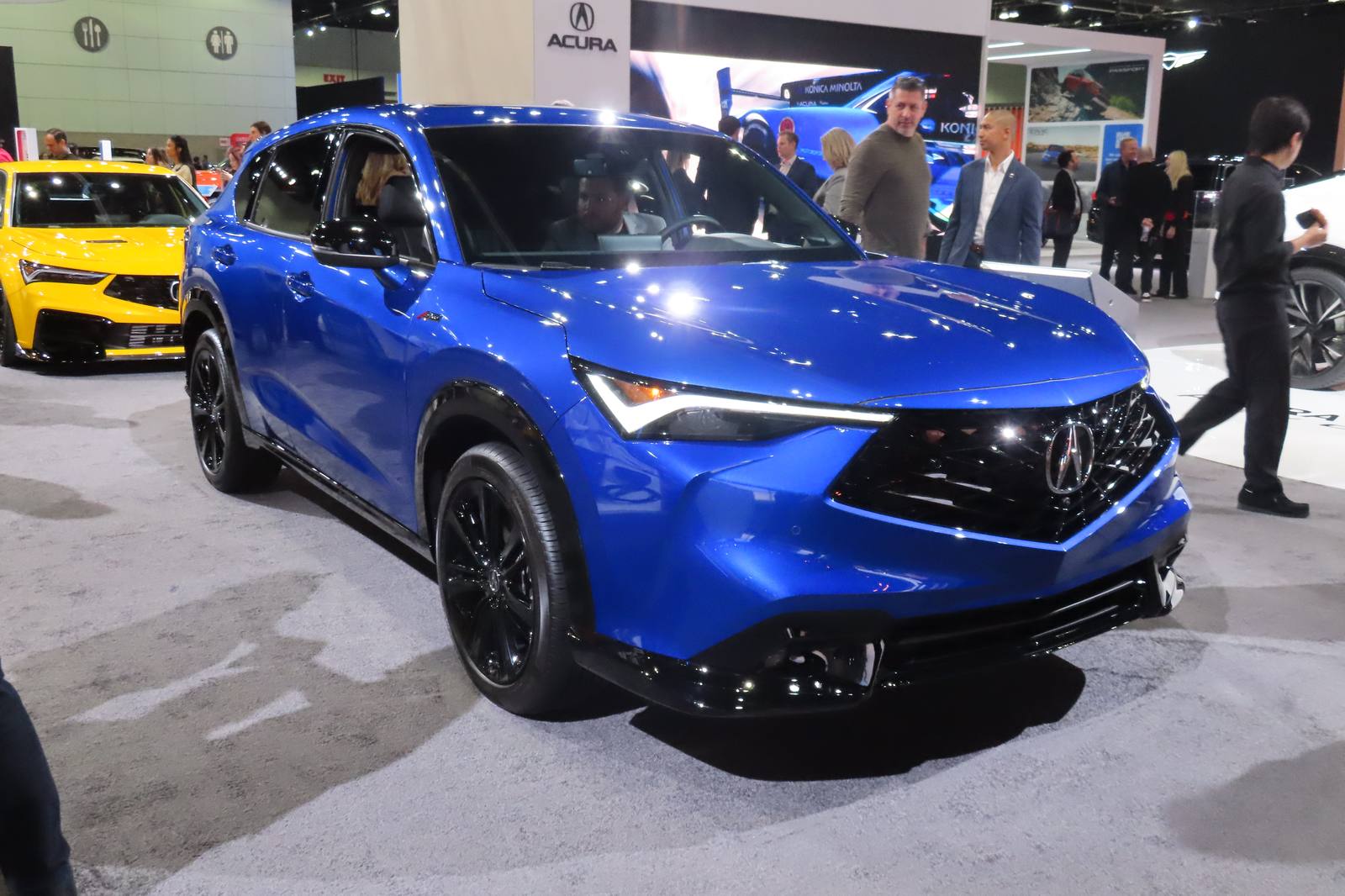
One absence to explain up front: the TLX sedan is not in this guide. Acura ended TLX production in July 2025, so the cars still on lots are final stock, priced by clearance logic rather than by current Acura invoice pricing. What follows is the line Acura actually sells now: three SUVs and one hatchback. Start with our Acura buying guide for the model-by-model picture, then pull the exact figure for your build on the invoice pricing page.
Acura Invoice Prices at a Glance
| Item | What Acura buyers should know |
|---|---|
| Invoice price | What the dealer paid Acura for the vehicle as configured, including destination |
| Typical margin character | Premium spread on a Honda template — real room, measured in hundreds to low thousands |
| Holdback | 2% of base MSRP in the current published chart; older charts said 3% |
| Destination charge | Set by Acura, the same at every dealer for the same model, in both MSRP and invoice |
| Incentive pattern | Loyalty and conquest cash plus competitive APR offers, quieter than the volume brands |
| Best first step | Price the exact trim and powertrain — Acura's bundled packages make the invoice predictable |
Acura Invoice Prices by Model
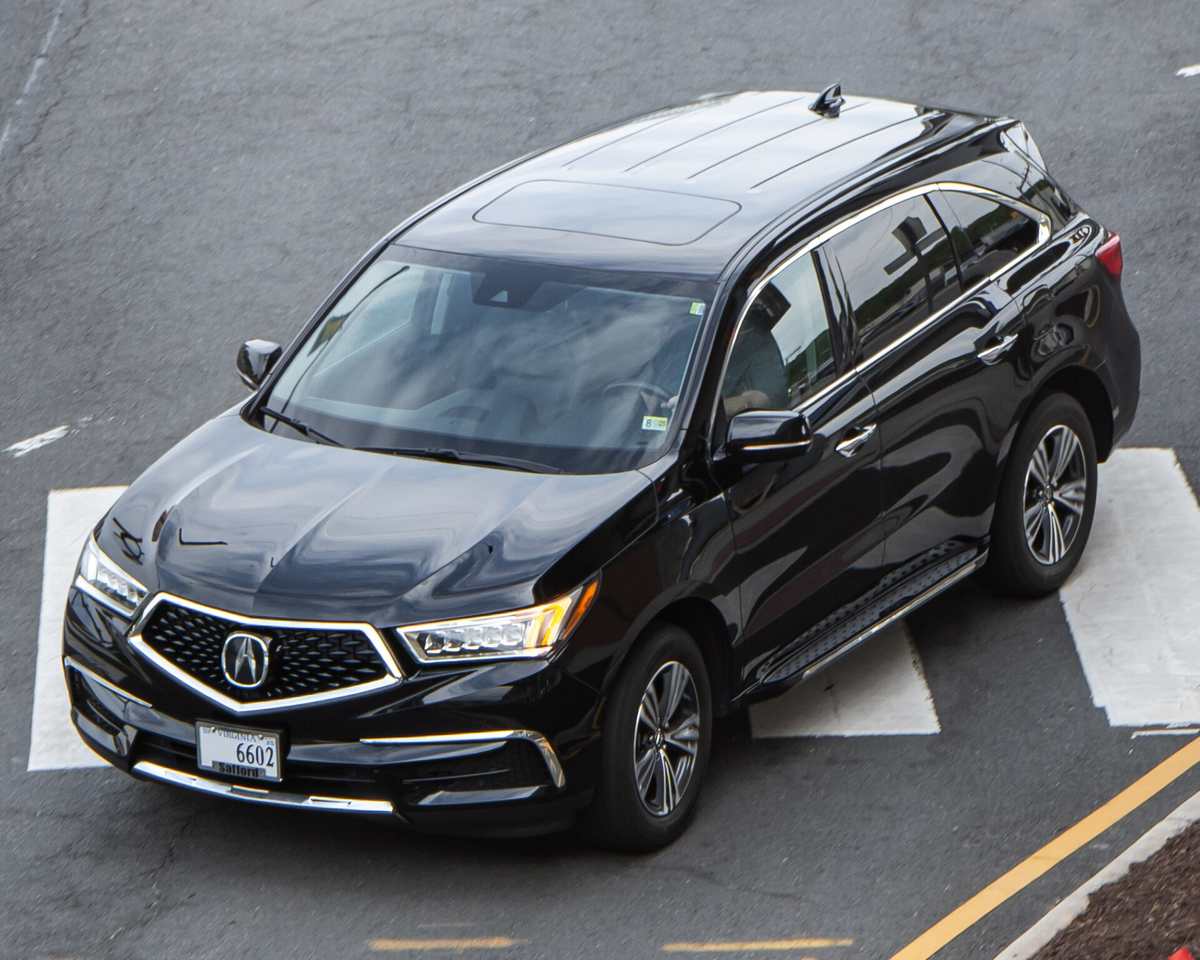
- ADX — the entry point, a subcompact SUV on a turbocharged 1.5L, offered with front-wheel drive or all-wheel drive. It is the newest nameplate in the line and the lowest sticker Acura sells, so its dollar spread is the smallest of the four — but it is also the model most likely to be cross-shopped against loaded mainstream SUVs, and that competition is the buyer's lever.
- Integra — the hatchback, and the line's enthusiast thread: a turbocharged 1.5L in the regular cars and a 2.0L turbo with a six-speed manual in the Type S. The Type S is allocation-thin and trades on scarcity, which compresses its discount; the standard Integra, stocked in depth, negotiates like the premium compact it is.
- RDX — the compact SUV and the line's volume center, a turbocharged 2.0L with all-wheel drive. This is the Acura with the healthiest inventory on most lots, which makes it the most consistently negotiable: competing stores hold competing units of the same trims, and the invoice gives you the floor those quotes are working from.
- MDX — the three-row flagship, with a 3.5L V6 in the standard cars and a turbocharged V6 in the Type S. The MDX carries the highest stickers in the line and therefore the largest dollar spread per vehicle; it is the Acura where per-build invoice research returns the most, and where the Type S premium is the figure to test hardest against its invoice.
How Acura's Spread Is Built
Three structural facts shape the Acura number. First, Acura bundles equipment into trims and packages rather than long option lists, and bundled content is invoiced at a tighter margin than the à-la-carte options German brands sell — there are fewer high-margin add-ons hiding in the sticker. Second, Honda's pricing discipline runs downhill: Acura stickers sit closer to their engineering content than prestige pricing does at some rivals, so the percentage gap buyers can attack is honest but not deep. Third, Acura's dealer network is smaller than Honda's, which cuts both ways — fewer competing quotes in some markets, but stores that work harder to keep a premium buyer from defecting to Lexus or BMW. Run the exact build in the calculator and compare out-the-door totals between stores: at Acura's spread, the difference between a good deal and a mediocre one is usually decided by fees and add-ons as much as by the vehicle's margin.
Acura Holdback: 2% of Base MSRP
Holdback is the amount the manufacturer returns to the dealer after the vehicle sells, and it is the layer of dealer money that sits below the invoice. Our holdback research tracks the published charts, and for Acura the current chart lists holdback at 2% of base MSRP — the same basis Honda uses. Older charts put Acura at 3% of base MSRP; we follow the newest chart and keep the older value on the record, and the full brand-by-brand picture is in our dealer holdback by make table.
Illustrative example — not a live price: on a hypothetical Acura with a base MSRP of $50,000, holdback at 2% returns $1,000 to the dealer after the sale. That is the pool a dealer can dip into and still describe the deal as whole, and it frames the realistic shape of an Acura negotiation: invoice, plus or minus a slice of a thousand-dollar pool, plus whatever incentives are live. A quote a few hundred over invoice on a volume trim is a genuinely competitive deal; a quote at full sticker on the same car is a store testing whether you did the homework.
Incentives and Acura's Discounting Pattern
Acura supports its line quietly: loyalty cash for returning owners, conquest money aimed at drivers of rival premium brands, and APR programs that are frequently the sharpest tool on the page — on a thin-spread brand, a subsidized rate over a long term can be worth more than the entire negotiable margin on the vehicle. Check what is live on your exact model before you set a target number, and run the cash-versus-APR comparison the way how to negotiate from invoice price lays out. Timing works too: the ADX and RDX, stocked as volume models, discount more predictably than the Type S variants, which Acura dealers can hold closer to sticker while allocation stays tight.
Frequently Asked Questions
What is Acura's dealer holdback?
The current published chart lists Acura holdback at 2% of base MSRP, calculated before options and destination. Older charts said 3% of base MSRP; we follow the newest figure and keep the older one on record. On a mid-priced Acura that pool is roughly a thousand dollars, which is why invoice-level deals are realistic on volume trims without the dealer selling at a loss.
Are Acura invoice prices close to MSRP?
Closer than at the German premium brands, wider than at Honda. Acura's bundled trim-and-package structure leaves fewer high-margin options in the sticker, so the percentage gap is measured in low single digits. The dollar gap still grows with the sticker — an MDX carries more negotiable margin than an ADX — but Acura is a brand where knowing the exact invoice settles most of the argument.
Which Acura has the most negotiation room?
The RDX, on inventory logic: it is the volume model, dealers stock it in depth, and competing stores hold the same trims, so quotes compete. The MDX has the largest dollar spread per vehicle. The hardest cars to move are the Type S variants of the Integra and MDX, where thin allocation lets dealers hold closer to sticker.
Why isn't the TLX in this guide?
Because it is no longer a current model. Acura ended TLX production in July 2025, and the remaining cars are final stock being cleared. Clearance pricing follows its own logic — age on the lot, remaining inventory, factory support for leftovers — rather than the current invoice structure this guide prices, so quoting it alongside the ADX, RDX, MDX and Integra would mislead both ways.
The Bottom Line on Acura Invoice Prices
Acura rewards the prepared buyer in a specific way: the spread is too real to ignore and too measured to bluff about. Pull the exact invoice for your ADX, RDX, MDX or Integra on MyCarDiscount, hold the 2% holdback pool in mind as the layer under it, check the current loyalty, conquest and APR offers against the deal, and compare out-the-door totals between stores. Do that, and the premium badge stops carrying a premium information gap. With Acura invoice prices in hand, you are no longer negotiating blind — start from the Acura dealer invoice price, not the sticker. Start at MyCarDiscount.com.
Get the number dealers start from.
Invoice, estimated true cost, out-the-door — before any dealer hears your name.