
Loyalty vs Conquest Incentives: Rebates in Your Garage
Loyalty vs conquest incentives compared: what you already own is a discount coupon: brands pay loyalty cash to keep you and conquest cash to steal you — this explainer shows how to claim whichever side pays more.
Key Takeaways
- Your current car is a coupon: loyalty cash pays owners to stay with a brand, conquest cash pays rival owners to switch — and the two can never be combined.
- Published examples run $500 to $750 for Honda CR-V loyalty and $2,000 for GM conquest and Cadillac loyalty cash, but amounts rotate monthly and expire.
- Ownership, not trade-in, is the trigger: prove eligibility with the qualifying car's registration, and a spouse's car at your address often counts.
- Establish eligibility before negotiating price, and ask the dealer to check for targeted private offers in your name — the biggest pots are never advertised.
This loyalty vs conquest incentives comparison is decided on the numbers and the ownership costs, not the badge — here is how the two stack up. Most rebates are aimed at the car you are buying. Loyalty and conquest incentives are aimed at the car you already own. Manufacturers pay loyalty cash to keep current owners inside the brand and conquest cash to pry owners out of a rival's brand — two mirror-image programs that can put anywhere from a few hundred to a few thousand dollars on your deal for no reason except what is parked in your driveway. Our rebates and incentives guide covers stacking in general; this page isolates the ownership mechanic, the proof it demands, and how to find out which side of your garage the money is on before you ever talk price.
Loyalty vs Conquest Incentives: The Two Programs, Side by Side
| Loyalty incentive | Conquest incentive | |
|---|---|---|
| Who qualifies | Current owners/lessees of the same brand | Current owners/lessees of a competing brand |
| The brand's goal | Keep you from leaving | Pay you to switch |
| Proof required | Registration or title for a qualifying vehicle, usually at your household address | Same — for the rival-brand vehicle |
| Trade-in required | Usually no — owning it is enough | Usually no — owning the rival car is enough |
| Can you claim both | No — programs are mutually exclusive by design | No — that is the point of the design |
The logic is actuarial, not generous. Keeping an owner is cheaper than winning a stranger, so brands defend their base with loyalty money; but the only way to grow share is to steal owners, so they attack with conquest money. Read loyalty compared to conquest incentives on any given model in any given month and the bigger pot tells you, free of charge, whether that brand is playing defense or offense on that nameplate.
What the Money Looks Like Right Now
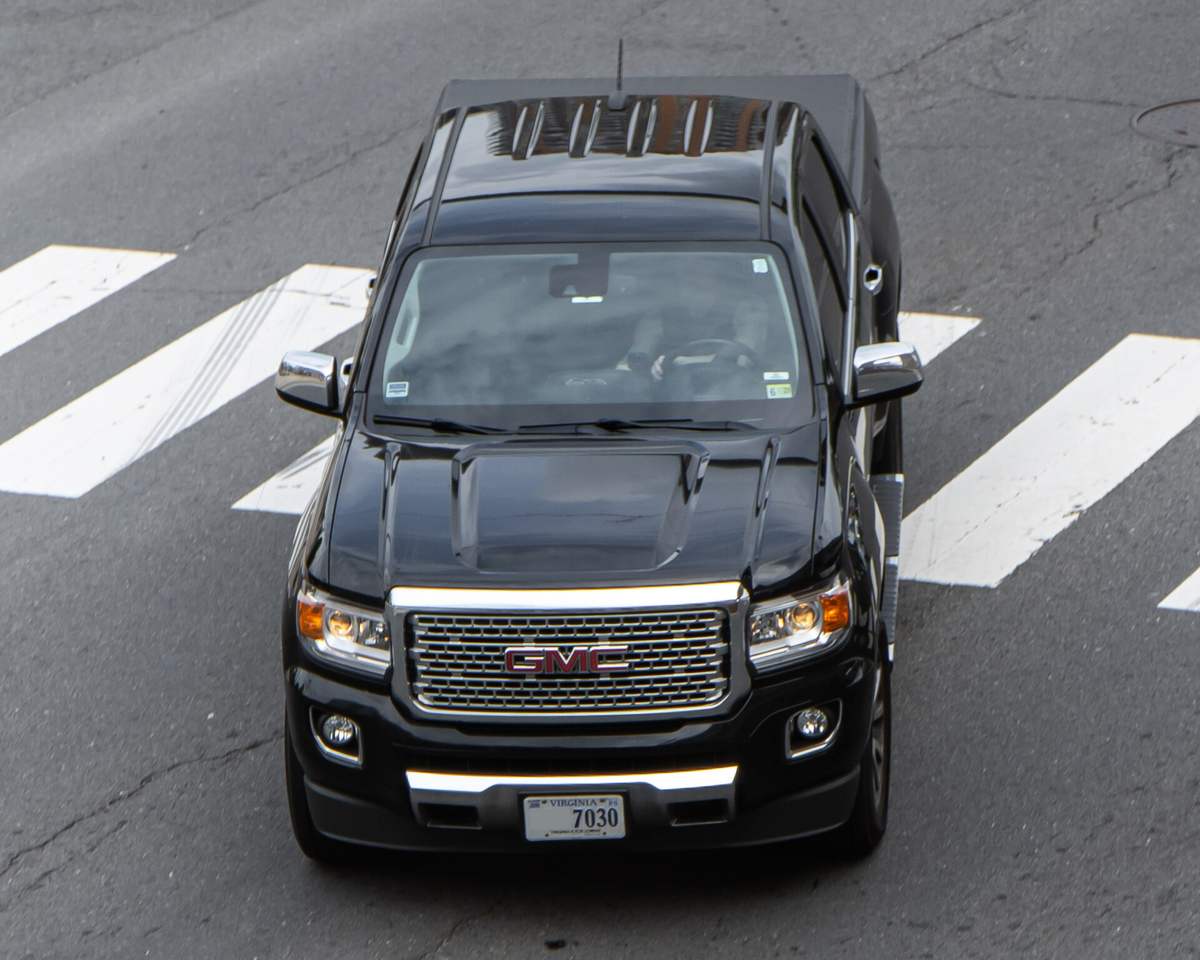
Amounts rotate monthly and are always dated — treat these October 2026 examples, published as running through November 2, 2026, as the shape of the thing rather than standing offers. On the conquest side, GM published a $2,000 purchase allowance on the 2026 GMC Canyon and the 2026 Buick Envista for buyers who own a 2012-or-newer, or lease a 2021-or-newer, vehicle from a non-GM brand — note the eligibility window: nearly any modern rival car in the household unlocks it. On the loyalty side, Cadillac published $2,000 Loyalty Cash on the 2027 Optiq, but narrowed it to owners of specific recent Cadillacs (2019-or-newer owners, 2021-or-newer lessees, of the XT4, XT6 or Lyriq) — loyalty money guarding an EV line from exactly the owners most likely to defect. Honda split the difference by model year: a $750 loyalty award toward leasing a 2026 CR-V for owners of any 2011-or-newer Honda, against $500 on the 2027. Same program family, three different strategies — broad conquest, narrow loyalty, and a loyalty amount that quietly tells you which model year the brand wants to move.
Claiming It Without Losing It
- Ask before you negotiate, not after. Ownership incentives are factory money applied on top of the negotiated price, and the time to establish eligibility is before the deal is written — a dealer has little reason to volunteer a conquest pot you never mentioned. Program money is also visible in the manufacturer's own offer listings, which is why employee-style program guides like our GM discount programs explainer are worth reading alongside the incentive pages.
- Bring the proof. Eligibility is proven with a current registration (or title) for the qualifying vehicle, and it generally must match the buyer's household. A spouse's or household member's car often qualifies where the programs allow household eligibility — check the fine print rather than assuming the badge in the driveway is useless because it is not in your name.
- You usually do not have to trade the qualifying car in. Ownership, not surrender, is the trigger for both programs. Selling your old car privately and still claiming conquest or loyalty cash on the new one is the standard, legitimate double-dip.
- Respect the exclusions. Loyalty and conquest cannot be combined with each other, and either may be excluded from combination with special APR or lease programs on the same model — the published Honda terms say so outright. The comparison to run is total deal under each permitted stack, not the biggest single rebate.
- Check for a private offer in your name. Some of the largest loyalty and conquest pots never appear on public offer pages at all: brands mail and email targeted certificates to owners in their databases — a household that has owned the brand (or the target rival) for years may be holding an offer worth more than the advertised program. Before you shop, search your mail for the brand's name, and ask the dealer to check your household for private offers when they run your eligibility; the check costs them nothing and you everything if it is skipped.
- Watch the calendar and the fine print. These offers typically run month to month, specify model-year windows for the qualifying vehicle (a 2012 cutoff is common), and vary by region. An amount quoted from last month's article — including this one — is a lead, not a promise; verify the current month's program on the exact model and trim before counting it.
Frequently Asked Questions
What is the difference between loyalty and conquest incentives?
Direction. Loyalty cash pays you for already owning the brand you are buying; conquest cash pays you for owning a competitor's brand and switching. Both are proven the same way — registration for a qualifying vehicle in your household — and the two can never be claimed on the same deal.
Do I have to trade in my current car to get loyalty or conquest cash?
Usually not. Both programs are triggered by ownership, not by surrendering the car. Unless the specific program's terms say otherwise, you can keep the qualifying vehicle, sell it privately, or hand it down — and still claim the incentive on the new purchase.
Can my spouse's car qualify me for a conquest incentive?
Often, yes. Many programs extend eligibility to vehicles registered in the same household, which includes a spouse's or partner's car at your address. The qualifying car's brand and model year still have to fall inside the program's window, and the dealer will need its registration as proof — bring it with you.
How much are loyalty and conquest incentives worth?
Published amounts range from a few hundred dollars to several thousand, depending on the model, the month and how badly the brand wants the segment. Current dated examples run from Honda's $500–$750 CR-V loyalty awards to GM's $2,000 conquest allowance and Cadillac's $2,000 loyalty cash — all October 2026 offers with early-November expiries, so verify the live figure before you shop.
The Bottom Line on Loyalty vs Conquest Incentives
Your current car is a coupon, and one of two programs will pay for it: the brand you own, to keep you, or a rival brand, to steal you. Loyalty vs conquest incentives come down to which side pays more on the exact model you want: bring the registration that proves it, and establish eligibility before the price negotiation starts — factory money claimed early is money that survives the deal. That settles the loyalty or conquest incentives question on the evidence: pick the one that fits your life, then negotiate as if the other one were still on the table. Start at MyCarDiscount.com.
Get the number dealers start from.
Invoice, estimated true cost, out-the-door — before any dealer hears your name.