
Section 179 Vehicle Deduction: GVWR, SUV Cap, Bonus Rules
Section 179 vehicle write-off, class by class: the rules reward weight and punish cars — this guide explains the GVWR classes, the SUV cap, and why the purchase must be in service by December 31.
Key Takeaways
- The 6,000-pound GVWR line decides everything: at or below it, 2026 first-year depreciation is capped at $20,300 with bonus ($12,300 without); above it, those caps fall away.
- For 2026 the Section 179 SUV cap is $32,000, but it limits only the Section 179 slice — 100% bonus depreciation can absorb the rest of a heavy SUV's business cost in the same year.
- Qualifying pickups and cargo vans over 6,000 lb (e.g., a truck with a bed at least six feet long) escape the SUV cap entirely, so their full business cost is Section 179-eligible.
- The vehicle must be placed in service by December 31 and used more than 50% for business, with deductions following the business-use percentage — keep a mileage log from day one.
One subject runs through this whole guide: theSection 179 vehicle deduction explainedin plain English, with the numbers attached. Every December, business owners buy trucks and SUVs for a reason that has little to do with needing one: the tax code lets a business write off some or all of a vehicle's cost in the year it goes to work. The engine of that write-off is Section 179 of the Internal Revenue Code, backed up by bonus depreciation — and the size of the deduction turns almost entirely on one number most buyers never look at: the vehicle's gross vehicle weight rating, printed on the label inside the driver's door. This guide explains the weight classes, the SUV cap, how Section 179 and 100% bonus depreciation divide the work for 2026, and the deadlines and use rules that decide whether the write-off counts. It is an explainer, not tax advice — run your own purchase past your tax professional before relying on any figure here.
Section 179 Vehicle Deduction at a Glance
| Vehicle (by GVWR) | 2026 first-year treatment |
|---|---|
| Car or light SUV/truck, 6,000 lbs or less | Passenger-automobile caps apply: first-year depreciation limited to $20,300 with bonus depreciation, $12,300 without |
| SUV rated 6,001–14,000 lbs | Section 179 capped at $32,000; the remaining business cost can take 100% bonus depreciation |
| Pickup or cargo van over 6,000 lbs meeting the design tests | No SUV cap — full cost eligible for Section 179 and bonus, up to the general limits |
| Vehicle over 14,000 lbs | No SUV cap and no passenger-automobile caps; general limits only |
| General Section 179 limits (all property, 2026) | Deduction up to $2,560,000, phasing out once qualifying purchases pass $4,090,000 |
The 6,000-Pound Line: Where the Whole Game Is Decided
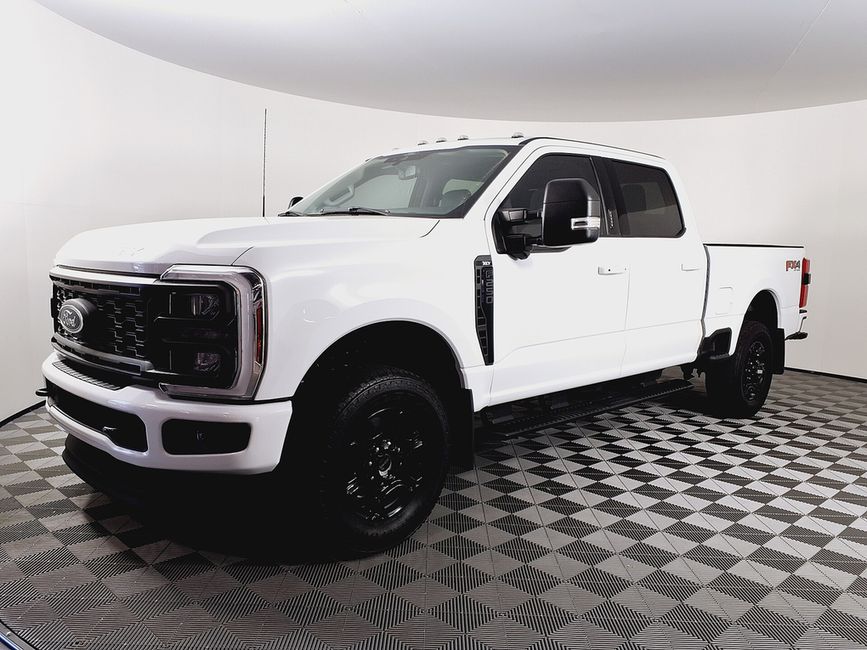
Gross vehicle weight rating — GVWR — is the manufacturer's maximum loaded weight for the vehicle: the car, its fluids, its passengers and its cargo at their rated total. You find it on the certification label in the driver's door jamb, not in the brochure. Tax law draws its brightest line at 6,000 pounds GVWR: which side a vehicle sits on matters more than price, brand or body style.
At or below 6,000 pounds, a vehicle is a "passenger automobile," and the section 179 deduction for vehicles is capped by Section 280F's annual depreciation limits no matter what you paid. For vehicles placed in service in 2026, the first-year ceiling is $20,300 if bonus depreciation applies and $12,300 if it does not, with the rest recovered in later years under the same schedule of caps. A $55,000 business sedan used entirely for work still writes off at most $20,300 in year one. Above 6,000 pounds, the passenger-automobile caps fall away entirely.
Two conditions apply across every class. The vehicle must be used more than 50% for business in the year it is placed in service — drop below half and both Section 179 and bonus depreciation are off the table. The deduction follows your business-use percentage: a vehicle used 80% for business deducts against 80% of its cost, not all of it.
The SUV Cap — and the Truck-Shaped Hole in It
When heavy SUVs became the standard year-end purchase, Congress added a specific limit: under Section 179(b)(5), the Section 179 portion of the deduction for a sport utility vehicle rated between 6,001 and 14,000 pounds GVWR is capped. The IRS sets the figure annually; under Revenue Procedure 2025-32 it is $32,000 for tax year 2026 (it was $31,300 for 2025). The cap sounds like a wall. In 2026 it is closer to a speed bump: bonus depreciation, covered next, can absorb the rest of the vehicle's business cost in the same year. The cap limits only the slice you label "Section 179", not the total first-year write-off for most buyers.
The cap also has a deliberate hole in it: it applies to sport utility vehicles. A pickup truck or cargo van over 6,000 pounds that meets the tax code's design tests — the classic case is a truck with a cargo bed at least six feet long — is not an SUV for this rule and escapes the cap entirely; its full business cost is eligible for Section 179 up to the general limits. Vehicles rated over 14,000 pounds GVWR escape both caps: the limits were written for vehicles resembling personal cars.
The general limits frame everything. For 2026, Section 179 allows up to $2,560,000 of deductions across all qualifying property, phasing out dollar for dollar once a business places more than $4,090,000 of qualifying property in service during the year. Almost no vehicle buyer touches those ceilings — but the business that buys a fleet should know they exist.
Section 179 vs Bonus Depreciation in 2026: How the Two Divide the Work
Section 179 and bonus depreciation both produce first-year write-offs. Bonus depreciation is back at 100% — the 2025 tax law (the One Big Beautiful Bill Act) restored it permanently for qualified property acquired and placed in service after January 19, 2025, reversing the phase-down toward zero. It has no dollar cap, applies automatically unless you elect out for an entire class of property, covers used property new to your business, and can create or increase a business loss.
Section 179 is the surgical tool. You elect it asset by asset, which lets you expense one vehicle and depreciate another. Its limits are the mirror image of bonus: capped dollars (the figures above), and it cannot exceed your taxable business income for the year — a deduction that would push you into a loss is carried forward instead, while bonus depreciation takes the loss. A thin-year business may prefer bonus; one managing which assets to expense may prefer Section 179's selectivity.
Here is the combination on an illustrative purchase. Your business buys a heavy SUV — rated 6,800 pounds GVWR — for $72,000, used 100% for business, and places it in service in 2026. Section 179 takes its capped slice: $32,000. The remaining $40,000 of cost takes 100% bonus depreciation. First-year deduction: the full $72,000. Now the same money in a qualifying work truck — a $58,000 pickup with a six-foot bed, 100% business use: no SUV cap applies, so Section 179 alone can expense the entire $58,000, with bonus as the backstop. Same dealer, same week, two mechanisms — decided by the door-jamb label and the vehicle's shape. Note: a financed vehicle qualifies for the full deduction once placed in service, even though most of its cost is still unpaid — the deduction follows the asset, not the payments.
The Rules That Decide Whether Any of This Counts
Placed in service means working, not paid for. The vehicle must be delivered and ready for use by December 31 for a calendar-year business — a December contract with January delivery puts the deduction in January's tax year. A buyer working against the deadline should get the delivery date in writing.
Business use is measured every year. If business use later falls to 50% or below, the excess depreciation you claimed can be recaptured as ordinary income. Keep a mileage log from day one; it is the document the whole deduction stands on.
Your state may not follow. Several states limit or decouple from federal bonus depreciation while following Section 179, which can make the election worth more at the state level than the federal one — one more reason this choice belongs in a conversation with your tax professional before the purchase, not after.
A final note on dates: every dollar figure here is a tax-year 2026 figure. The IRS adjusts these limits for inflation annually, and this page's numbers must be refreshed each January. If you are structuring the purchase itself, our how to refinance a car loan and credit union vs bank car loans guides cover the financing side.
Frequently Asked Questions
What is the Section 179 SUV cap for 2026?
For tax year 2026, the Section 179 deduction for an SUV rated between 6,001 and 14,000 pounds GVWR is capped at $32,000 (IRS Revenue Procedure 2025-32). The cap limits only the Section 179 slice: the rest of the vehicle's business-use cost can generally take 100% bonus depreciation in the same year, so a qualifying heavy SUV can still be fully written off in year one.
Can I write off a vehicle I financed, or do I have to pay cash?
Financing is fine. The deduction is based on the vehicle's cost and business use, not on how much you have paid: a financed vehicle placed in service by December 31 qualifies for the same Section 179 and bonus depreciation as a cash purchase, against the full business-use cost, while the loan is still mostly outstanding.
What happens if my business has a loss this year?
Section 179 cannot create or increase a business loss — the deduction is limited to your taxable business income, and the unused amount carries forward to later years. Bonus depreciation has no such limit and can create a loss. In a thin year that difference can flip which tool does the work, and it is the strongest argument for planning the purchase with a tax professional before you sign rather than after.
Does a used vehicle qualify for Section 179 and bonus depreciation?
Yes, provided it is new to your business. Both Section 179 and bonus depreciation cover used property you did not previously use and did not acquire from a related party — a used heavy truck or SUV bought from an unrelated seller qualifies on the same GVWR rules as a new one. The placed-in-service and more-than-50%-business-use rules apply identically.
The Bottom Line on Section 179 Vehicle Deductions
The vehicle write-off is a weight game: at 6,000 pounds GVWR or below, passenger-automobile caps hold a 2026 purchase to $20,300 of first-year depreciation at best; above the line, a $32,000 Section 179 cap on SUVs, no cap on qualifying work trucks and vans, and 100% bonus depreciation behind both mean a heavy business vehicle can still be fully expensed in year one. The rules that actually bite are the calendar and the logbook — placed in service by December 31, business use above 50%, documented. Check the door-jamb label before you price the truck. That is the Section 179 vehicle deduction explained in full — know it before you negotiate, and the rest of the deal gets easier. Start at MyCarDiscount.com.




Get the number dealers start from.
Invoice, estimated true cost, out-the-door — before any dealer hears your name.