
Dealer True Cost of a New Car, Explained Step by Step
The true cost of a new car, in short: nobody will hand you this number, but it can be estimated honestly — real invoice, minus holdback, minus verifiable incentives, presented as the labelled range it is.
The dealer true cost of a new car — what the vehicle effectively costs the dealership once every factory payment is counted — is the most useful number in a negotiation and the one nobody will hand you. It is not printed on any document a buyer can demand, because part of it settles after the sale and part depends on targets the dealer may not hit. But it can be estimated, model by model, with a method transparent enough to check: start with the real invoice, subtract holdback, subtract the incentives that genuinely apply, and present the answer as the labelled range it honestly is. That method is MyCarDiscount's signature calculation, documented publicly on our methodology page — and this guide walks it step by step.
Dealer True Cost of a New Car: The Formula
Our pillar guide answers the conceptual question — is invoice price the dealer cost — and its answer is no: invoice is the top of a cost stack, with holdback, dealer cash and volume bonuses layered beneath it. This guide is the companion piece: not why true cost sits below invoice, but how to estimate it for the specific car on your shortlist.
The formula is deliberately simple:
Estimated true cost = invoice price − holdback − known incentives
Each term does specific work. The invoice anchors the estimate to a real, documented figure. Holdback removes the one factory repayment that is predictable per brand. Incentives remove only the factory money you can actually verify applies to this car, this month, in your region. Everything unknowable — unadvertised dealer cash, volume-bonus value — is deliberately not subtracted as a guess. Instead it defines the bottom of the range: the estimate is published as "true cost is likely between X and Y," where Y assumes no unverifiable money and X allows for a typical measure of it. Precision you cannot support is worse than an honest spread.
Step One: Start With the Real Invoice
The invoice must be for your exact car: trim, drivetrain, factory options. Two trims of the same model can differ by thousands, and an estimate built on the wrong rung of the ladder is wrong everywhere downstream. Invoice figures come from licensed manufacturer data — that is the feed behind our invoice pricing tool — and until a model's licensed figure is live, we publish no number for it rather than a scraped or guessed one. Note also that "the invoice" needs defining before you subtract anything from it: our guide to what an invoice price includes explains why a total carrying regional advertising fees differs slightly from one that does not.
Step Two: Subtract Holdback — and Check the Basis
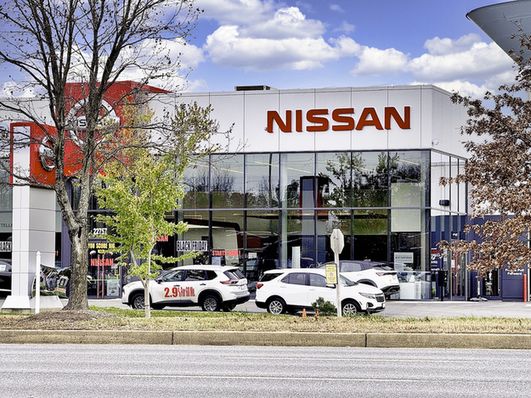
Holdback is a percentage repaid to the dealer after the sale, and it is not a licensed data field anywhere — no provider sells it. MyCarDiscount therefore maintains its own holdback-by-make table, built from dated secondary sources, re-checked quarterly, and labelled an estimate wherever it is used. Two properties of that table drive the method. First, the percentage varies: Ford and the GM and Stellantis US brands sit at 3% of total MSRP; Honda and Toyota at 2% of base MSRP; Mazda and Volvo at 1%. Second — and this is the detail sloppy calculators miss — the basis varies too. Nissan's holdback is 2% of the total invoice, not of any MSRP figure, so applying an MSRP-based formula to a Nissan misstates the estimate by construction.
Where the sources conflict, the table says so and the range widens. Mercedes-Benz is the standing example: the current chart lists 1% of total MSRP while older charts list 3%, so a Mercedes estimate carries a 1–3% holdback range and a lower confidence label rather than a pretend-exact figure. And where there is no dealer, there is no holdback at all: Tesla and Rivian sell direct, so the formula does not apply to them and we do not subtract a phantom dealer line. The programme itself is explained in what is dealer holdback.
Step Three: Subtract the Incentives You Can Verify
Incentives split into two kinds, and the method treats them differently. Customer incentives — advertised rebates, loyalty and conquest offers, supported finance rates — are published with eligibility rules, so they can be checked and subtracted with confidence. Dealer cash — unadvertised factory-to-dealer money on specific models — cannot be verified from outside the store, so it is never subtracted as a fact; it is one of the things the bottom of the range makes room for. Consumer Reports has long built buyer targets the same way — invoice, holdback, rebates and dealer incentives considered together.
The Method, Worked End to End (Illustrative)
The example below uses round, invented numbers for an imaginary mainstream car. It is a demonstration of the method, not a price for any real vehicle.
| Step | Illustrative figure | Running estimate |
|---|---|---|
| Total MSRP (sticker) | $42,000 | — |
| Invoice price (licensed figure, exact trim) | $39,900 | $39,900 |
| Less: holdback at 2% of base MSRP ($39,500 base) | −$790 | $39,110 |
| Less: verified customer incentives applying to this car | −$0 (none this month) | $39,110 |
| Allowance for unverifiable dealer cash / bonus value | −$0 to −$1,000 | lowers the range floor |
| Estimated true cost (labelled range) | roughly $38,100–$39,100 | |
| Confidence label | Medium — holdback is a dated secondary-source estimate; dealer cash unverifiable |
The top of the range, $39,100, is the estimate if no hidden factory money exists. The bottom allows for a typical measure of it. If a verified rebate existed, it would come off both ends. And if this same car were a brand whose holdback sources conflict, the holdback line itself would become a range and the confidence label would drop — the output would get wider and humbler, which is the correct response to weaker data.
Why a Range With a Confidence Label, Not a Single Number
Because the alternative is false precision, and false precision is how buyers get misled by every "dealer cost" figure quoted without workings. A single number would claim knowledge of dealer cash amounts that are not public and volume bonuses that settle at month-end. The range format keeps each input's honesty visible: licensed invoice (hard data), holdback (dated estimate, sourced, conflicts disclosed), verified incentives (checked), unverifiable money (allowed for, never asserted). Our methodology page documents the data sources, the holdback table's maintenance and the labelling rules in full.
Dealer True Cost of a New Car at the Negotiating Table
An estimate earns its keep when it changes what you do. Set your opening offer at estimated true cost plus a fair margin — a few hundred dollars on a mainstream car is a reasonable profit for the store on the metal — and set your walk-away line before the conversation starts. Then test the estimate against the market: request out-the-door quotes from competing dealers for the identical car, and sanity-check them against the true cost of a new car to the dealer with our calculator. If quotes converge near the top of your range, your estimate was honest and the model simply carries little hidden money. If a dealer beats the bottom of your range without loading the paperwork with accessories and fees, unverifiable factory money was real — take the deal. How far the result can go in practice is covered in how much below invoice you can actually buy, and the conversation itself in how to negotiate from invoice price. The Consumer Financial Protection Bureau adds the final discipline: keep fees and add-ons negotiated separately, so a true-cost win is not handed back in the finance office.
Dealer True Cost of a New Car FAQs
Can anyone know a dealer's exact true cost?
Only the dealer, and only after the month closes: volume bonuses depend on targets that settle later, and holdback arrives after the sale. Everyone else — including us — is estimating. The honest product is therefore a range with its inputs and confidence shown.
Why is holdback an estimate rather than a licensed figure?
Because no data provider licenses it. Manufacturers do not publish holdback percentages, so our table is built from dated secondary sources, conflicts are recorded rather than smoothed over, and every use of the figure is labelled an estimate. If a licensed source ever exists, it replaces the table.
Does estimated true cost include the dealer's running costs?
No. True cost here means the factory-net cost of the vehicle — invoice minus the factory money that flows back. The dealer's rent, staff and floorplan interest are real costs of doing business, but they are not part of the per-car figure you negotiate against; the dealer's margin above true cost is what covers them.
What if a model has no holdback or no dealers at all?
Some luxury brands run no classic holdback programme, which simply means that line is zero and the range sits closer to invoice. Direct-sale brands like Tesla and Rivian have no dealers and no holdback, so the method does not apply — there is no dealer cost stack to estimate, only the manufacturer's price.
The Bottom Line on the Dealer True Cost of a New Car
The dealer true cost of a new car is knowable the way weather is knowable: not exactly, but well enough to act on — invoice minus holdback minus verified incentives, expressed as a labelled range whose width honestly reflects the data behind it. Build the estimate for your model, offer from the range rather than from folklore, and let competing out-the-door quotes arbitrate. When licensed data is live for your model, the invoice pricing tool will show its estimate with the workings attached; the makes hub is where to start by brand.

Get the number dealers start from.
Invoice, estimated true cost, out-the-door — before any dealer hears your name.